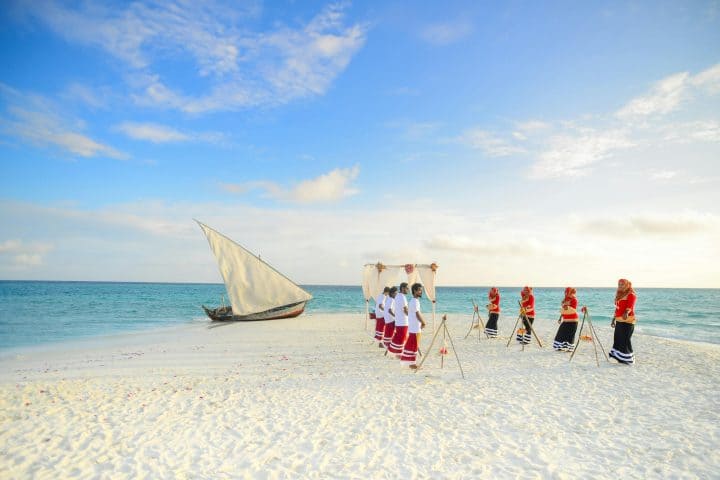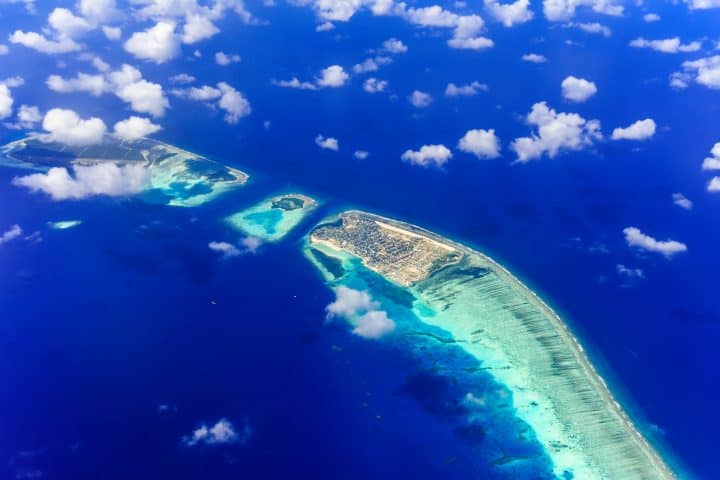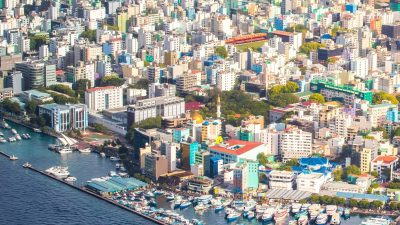
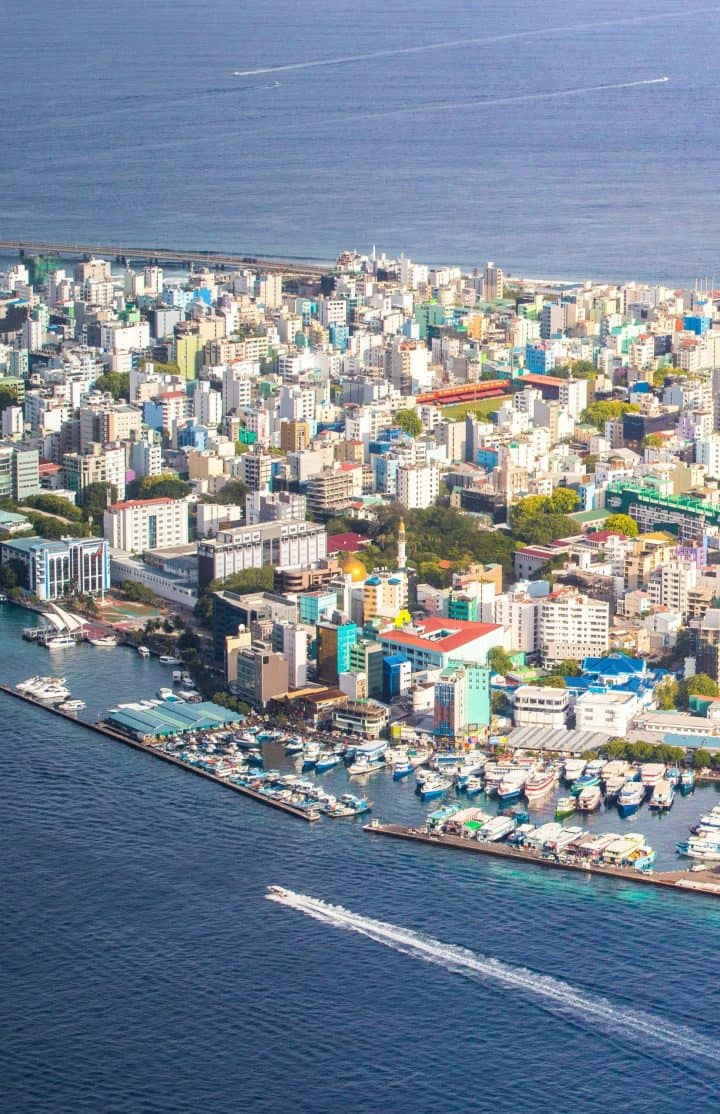
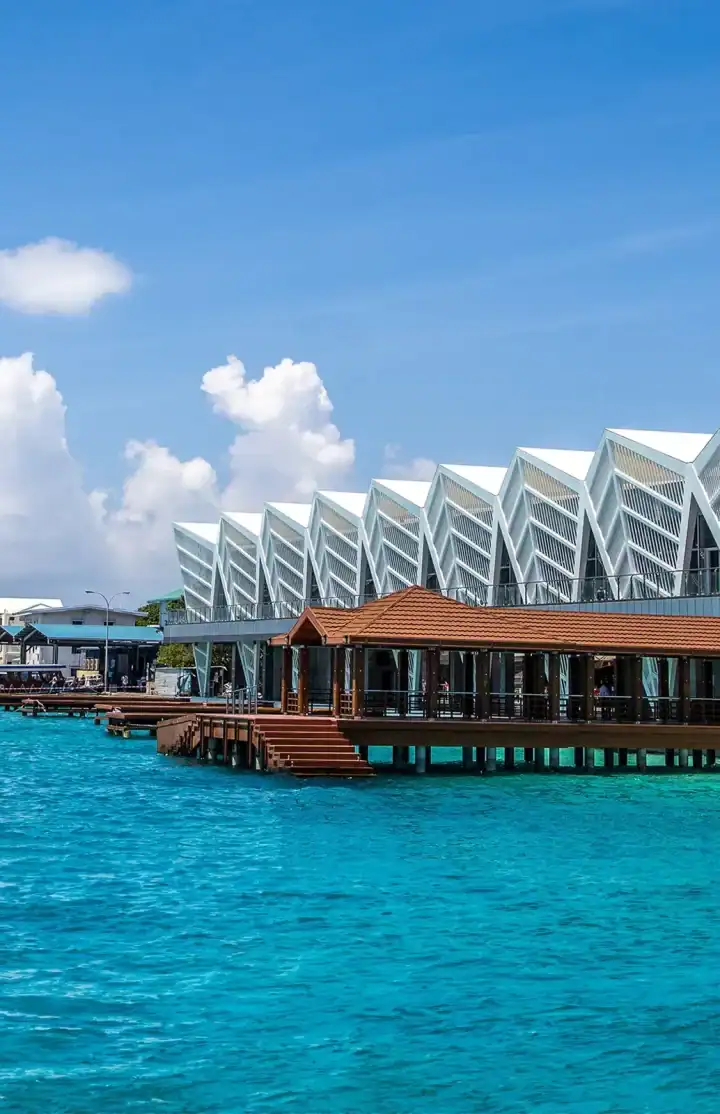
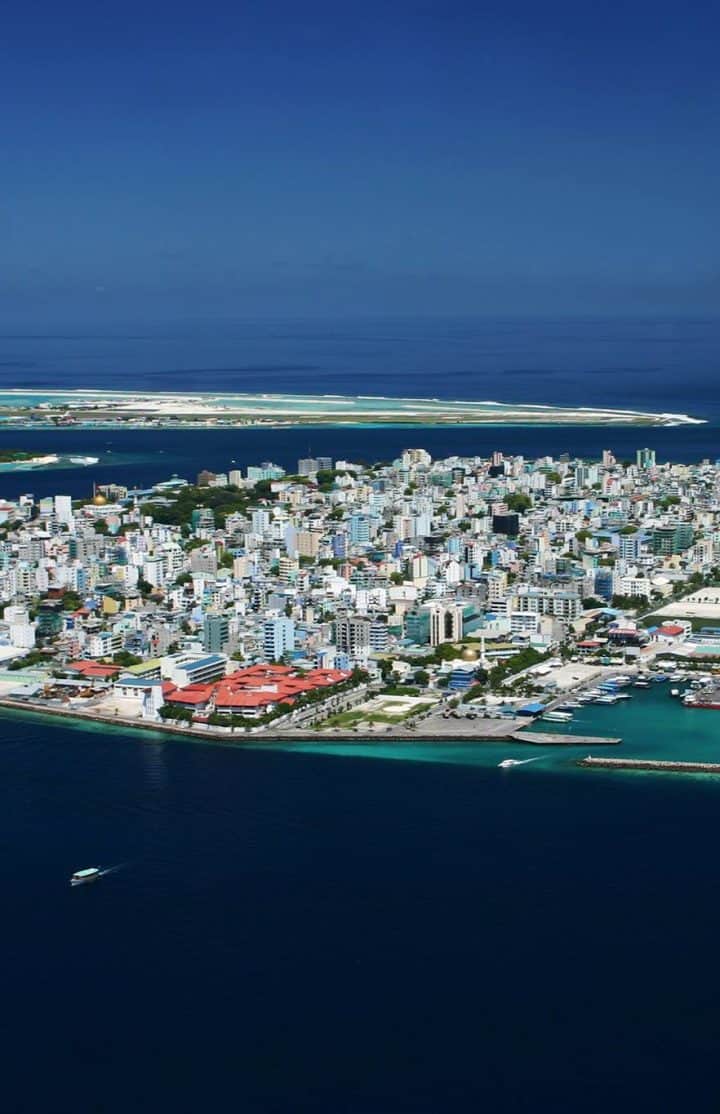
Malé Guide introduces the capital of the Maldives, a compact and energetic city that feels very different from the country’s resort islands. A short time here gives visitors a closer look at everyday urban life in the Maldives, from mosques and markets to museums, cafés, and waterfront streets. Neighboring Hulhumalé and Villimalé are also part of the wider city area, giving the capital zone a broader mix of beach, airport access, and local city energy.
The greater Malé area is also the country’s main transport hub. Velana International Airport sits on nearby Hulhulé, Malé is linked to the airport by bridge, and Hulhumalé is connected into the same urban area. That makes this part of the Maldives especially useful for short stopovers, one-night stays, airport-area overnights, and trips that mix a resort stay with a little city time.
If you want a stay-focused follow-up to this page, link naturally here to Malé and Hulhumalé Guide: Where to Stay Near the Airport.
Quick Facts
Best for
Short stopovers, city sightseeing, airport-area stays, local culture, markets, and museums
Good to know
Malé feels very different from a resort island and is best explored as a short city visit
Nearby areas
Hulhumalé, Hulhulé (airport island), and Villimalé
Stay style
City hotels, guesthouses, airport-area stays, and short overnight options
Atmosphere
Busy, compact, local, and practical
Best for first-time visitors
A quick introduction to everyday life in the Maldives before or after a resort stay
Top highlights
Republic Square, Islamic Centre, Grand Friday Mosque, Friday Mosque, Sultan Park, National Museum, local market, and fish market
Where to stay
Malé for city access, Hulhumalé for airport convenience and a more relaxed beachside feel, Villimalé for a quieter local atmosphere
How to get around
Walking in Malé, road transfers between the airport, Malé, and Hulhumalé, and ferry for Villimalé
What Malé Feels Like
Malé is best approached as a short, walkable city experience rather than a classic beach stop. The city is small in size but packed with government buildings, shops, mosques, markets, ferries, and daily local activity. That mix gives it an energy most visitors do not see when they go straight from the airport to a resort.
Hulhumalé feels different. It has wider roads, more open space, beach stretches, guesthouses, cafés, and a more relaxed layover atmosphere. Villimalé sits on a quieter note again, with more greenery and a softer local-island feel while still staying close to the capital.
Where to Stay
For the shortest and simplest stopover, Malé works well if you want to be right in the city and close to markets, landmarks, ferries, and urban sightseeing. It suits travelers with only a few hours, a night in transit, or an interest in seeing the capital at street level.
Hulhumalé is often the easier choice for many travelers. It is close to the airport, connected by bridge, and has a stronger beachside layover feel with hotels, guesthouses, and more breathing room than central Malé. It works especially well for overnight airport stays, short beach breaks before or after a flight, and travelers who want convenience without feeling fully inside the capital.
Villimalé is a quieter option if you want something closer to local island life while staying near the capital. It is better for a slower half day or overnight rather than a first airport stop, but it can be appealing if you want less traffic and more greenery.
Where to Eat
Malé is good for casual local meals, cafés, snack stops, and a quick taste of everyday city life. The city is small enough that food, coffee, and shops are easy to work into a walking route, and the markets add another layer of local flavor to the experience.
Hulhumalé is the stronger pick if food is a bigger part of your stop. It has a wider culinary scene, more affordable options, and a beachside feel that works well for laid-back meals. It is also a practical place to stay if you want dining variety without straying far from the airport.
Interesting Places to Visit
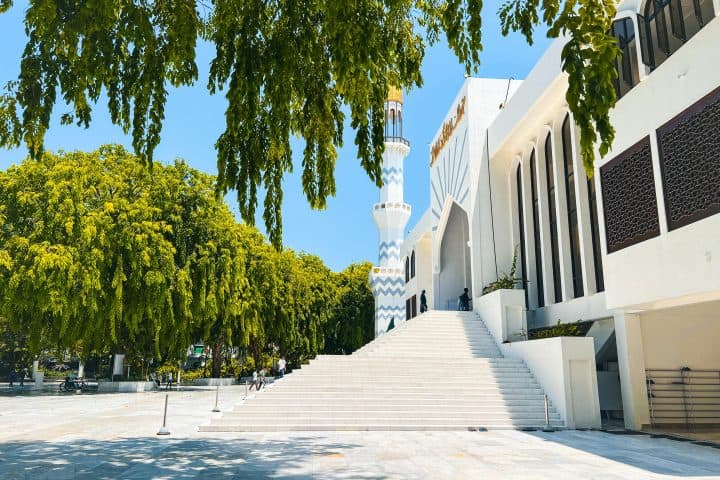
A good Malé visit usually starts around Republic Square, which sits close to the waterfront and several of the city’s best-known landmarks. Nearby you will find the Islamic Centre and the Grand Friday Mosque, one of the most recognizable buildings on the capital skyline.
For older history and craftsmanship, the Friday Mosque (Hukuru Miskiy) is one of the city’s standout places. It dates to the 17th century and is known for coral-stone construction, carved detail, woodwork, and its historic cemetery and minaret.
For a slower stop, Sultan Park offers one of the best green breaks in the city, and the National Museum nearby helps put the Maldives into a deeper historical context. Together they make one of the easiest and most worthwhile pairings in Malé.
To see the city’s everyday rhythm, the fish market and local market are among the most memorable stops. They bring you closer to daily urban life and make a strong contrast to the resort side of the Maldives. If you have time, the Tsunami Monument is another worthwhile stop that adds a more reflective side to the city.
Getting Around
Malé itself is easy to explore on foot because many of the best-known sights sit close together. That makes it a good place for a short self-guided visit, especially if you only have a few hours between transfers or before check-in.
To move between the airport, Malé, and Hulhumalé, travelers can use road transfers across the bridge network. To reach Villimalé, there is a short ferry crossing. For onward travel to local islands, many speedboats leave from the jetty area near Republic Square, while ferries and buses add more budget-friendly options depending on where you are going.
FAQs
Is Malé worth visiting?
Yes, especially if you want to see a more local and urban side of the Maldives. It works best as a short city visit, stopover, or add-on before or after a resort stay.
Is Malé the same as Hulhumalé?
No. Malé is the historic capital and dense urban center, while Hulhumalé is a newer planned island area connected by bridge and known for wider roads, beaches, guesthouses, and a more relaxed layover feel.
Where is better for an airport overnight: Malé or Hulhumalé?
For most travelers, Hulhumalé is the easier and more relaxed choice because it stays close to the airport while offering more space, beach access, and plenty of hotels and guesthouses. Malé suits travelers who want to focus more on city sightseeing.
What are the main places to see in Malé?
The most popular stops include Republic Square, the Islamic Centre, the Grand Friday Mosque, the Friday Mosque, Sultan Park, the National Museum, the fish market, the local market, and the Tsunami Monument.
Can you explore Malé in a few hours?
Yes. Because the city is compact and many landmarks are close together, Malé works well as a short walking visit.
Is Malé a beach destination?
Not in the same way as a resort island. Malé is more about city life, markets, history, mosques, and local culture. Hulhumalé is the better choice if you want beach time near the airport.
Explore Easy Resort Stays Near the Capital
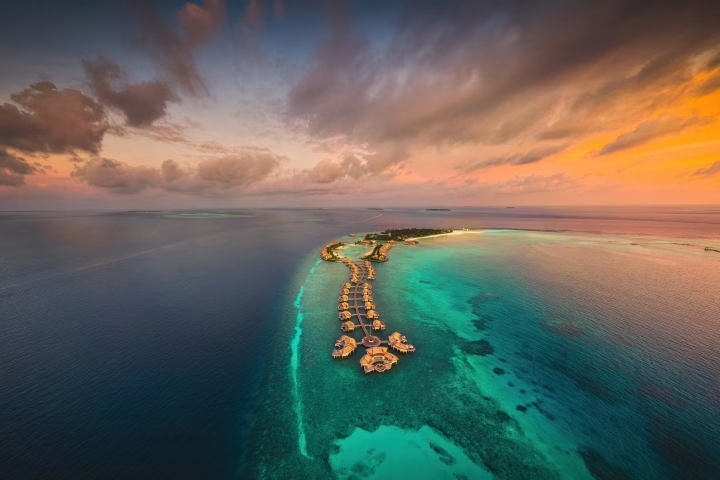
If you want to move from city planning to resort planning, continue with Top Maldives Resorts Near Malé.
Related Guides