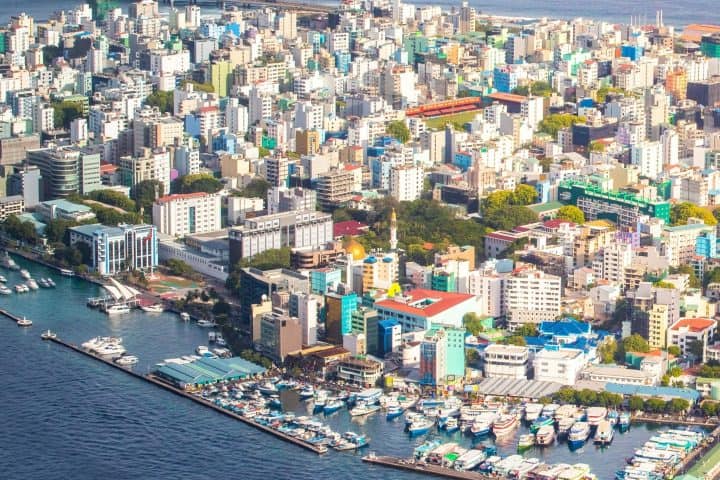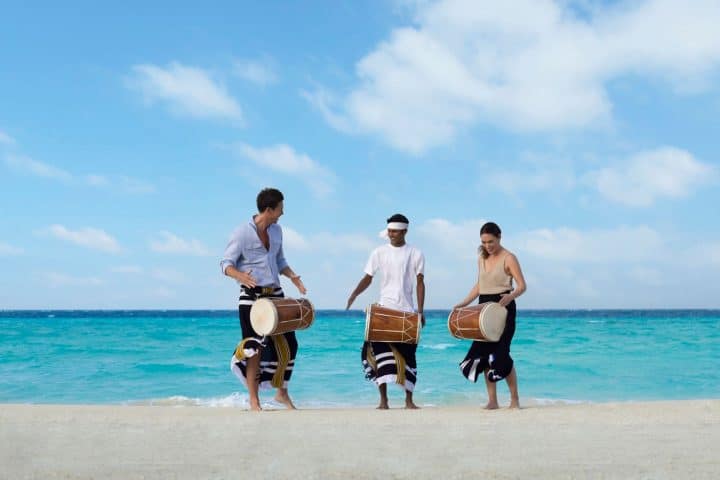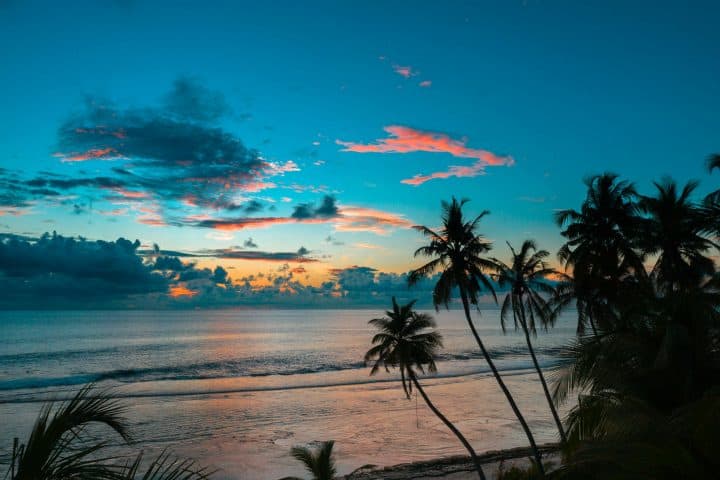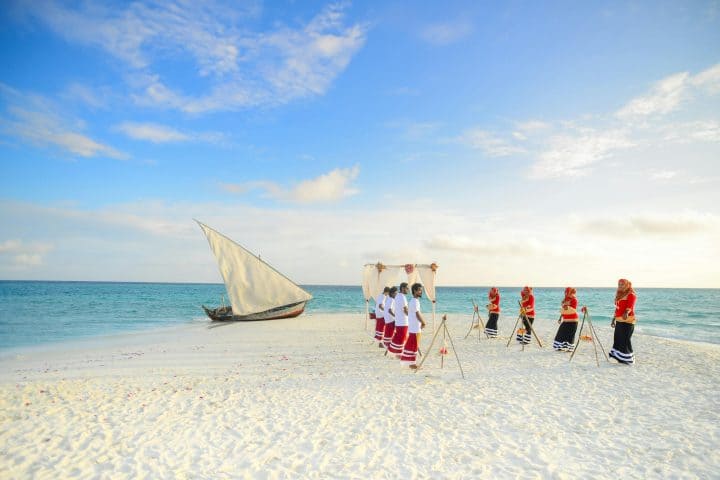
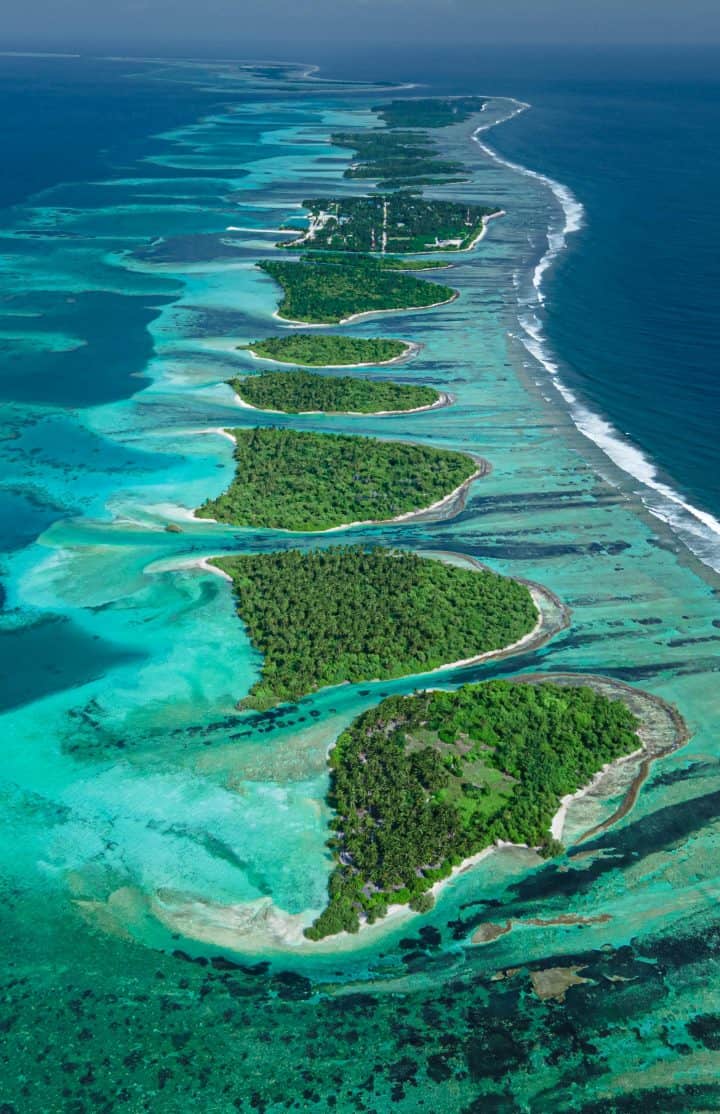
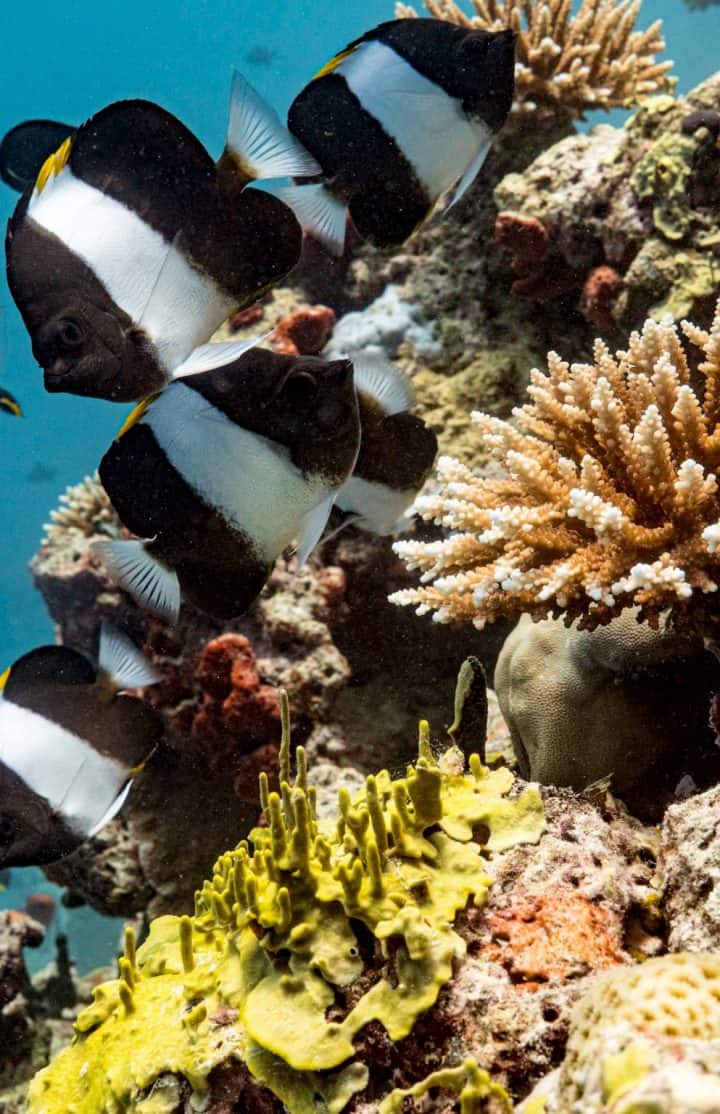
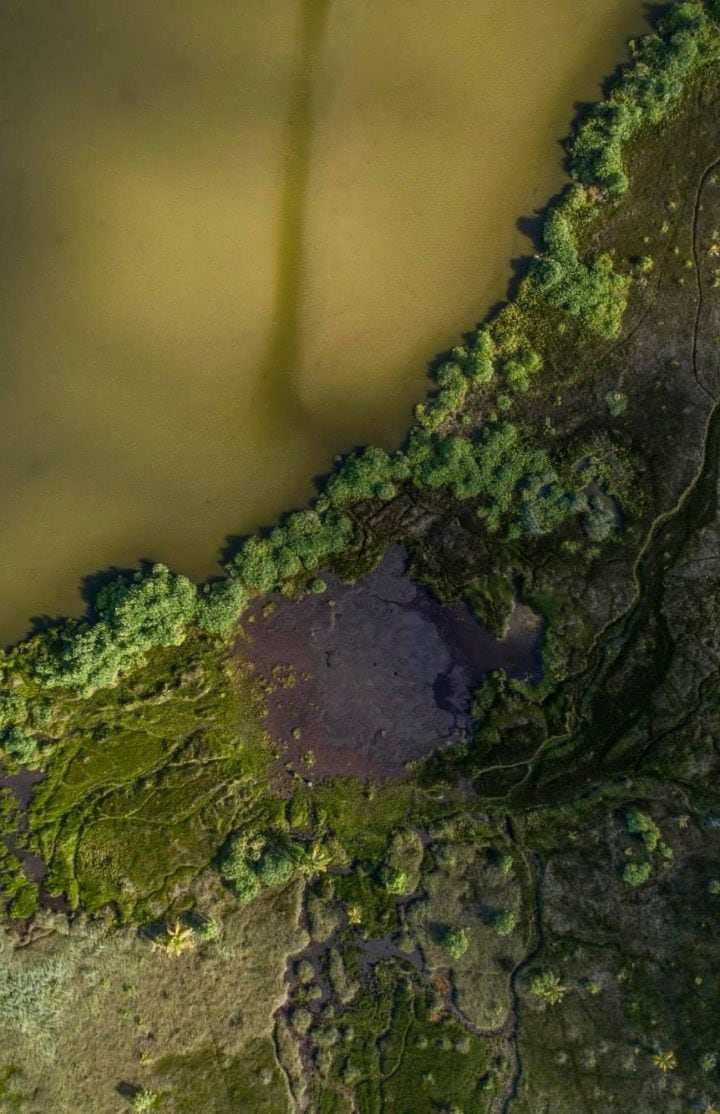
Maldives Environment is one of the main reasons the country feels so special, from its coral reefs and lagoons to its seagrass beds, mangroves, beaches, and marine life. This natural setting is a big part of what makes the Maldives feel so special, whether you are here for snorkeling, diving, marine life, or simply the beauty of the landscape.
The environment is not just the backdrop to a Maldives holiday. It is the reason the country looks and feels the way it does. Reefs help protect islands from wave action, lagoons shape the calm turquoise waters many travelers picture, and seagrass beds and mangroves support biodiversity in ways that visitors may not always see at first glance.
If you want a more travel-focused follow-up after this page, continue with Responsible Marine Tourism in the Maldives: What Travelers Should Know.
Quick Environment Facts
Main natural habitats
Coral reefs, seagrass beds, mangroves, wetlands, lagoons, island vegetation
Global reef significance
Among the world’s largest reef systems
Estimated reef count
Around 2,040
Estimated reef area
About 4,494 sq km
Share of global reef area
About 3.14%
Recorded mangrove species
Around 15
UNESCO biosphere reserve
Environmental reality
Beautiful, biodiverse, and highly vulnerable to coastal and climate pressure
A Marine Environment First
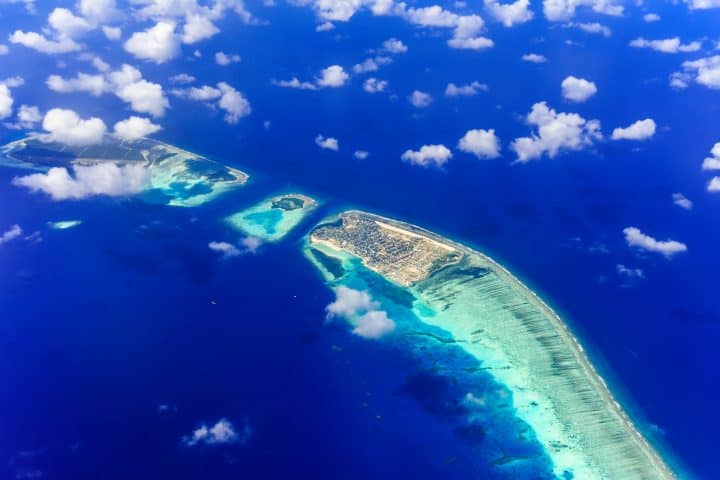
The Maldives is overwhelmingly ocean. Its coral reefs are among the largest reef systems in the world, with roughly 2,040 individual reefs covering about 4,494 sq km, and the country’s reefs account for around 3.14% of the world’s reef area. These reef systems support one of the most important marine environments in the Indian Ocean and shape everything from island formation to marine biodiversity and tourism experiences.
Beyond coral reefs, the Maldives also includes seagrass meadows, mangroves, wetlands, lagoons, reef passes, and small island vegetation systems. Together, these habitats help support fish, turtles, rays, sharks, seabirds, and a wide range of smaller marine life. They also help make different atolls and islands feel surprisingly different from one another.
Coral Reefs, Seagrass and Mangroves
Coral reefs are the best-known part of the Maldivian environment, and for good reason. They help form the atolls, protect shorelines, and create the underwater landscapes that make the country famous for snorkeling and diving. They are also central to the wider health of the islands, because beaches, lagoons, and marine ecosystems are all connected to reef condition.
Seagrass and mangroves are just as important, even if they are less celebrated in travel marketing. Seagrass meadows support marine life and coastal stability, while mangroves and wetlands create valuable habitat on certain islands. In the Maldives, around 15 mangrove species have been recorded across roughly 150 islands, showing that the country’s environment is more varied than many first-time visitors expect.
Wildlife and Biodiversity
The Maldives is closely associated with marine life, and that reputation is well deserved. Its reefs and surrounding waters support rich biodiversity, including corals, reef fish, turtles, manta rays, and whale sharks. The country’s coral reefs include around 250 coral species, and certain areas are especially well known for large marine animals and seasonal wildlife encounters.
One of the best-known protected areas is the Baa Atoll Biosphere Reserve, recognized by UNESCO in 2011. Its key habitats include coral reefs, islands, seagrass beds, and mangroves, and it is especially known for manta rays and whale sharks. For many travelers, this part of the Maldives shows how closely tourism and environmental value can overlap when a place is both beautiful and ecologically important.
A Beautiful but Fragile Island System
The Maldives is also one of the world’s most environmentally vulnerable countries. Its land area has an average elevation of around 1.5 m above sea level, and around 80% of its land lies below 1 m. That makes the country especially exposed to sea-level rise, flooding, coastal erosion, and other climate-related pressures.
Environmental pressure in the Maldives is not only about climate. Habitat loss, coastal change, dredging, land reclamation, and stress on reefs and shorelines also matter. Because the islands are small and the ecosystems are so interconnected, even local changes can have wider effects on beaches, lagoons, reefs, and marine habitats.
Why the Environment Matters for Travelers
For visitors, understanding the environment adds another layer to the Maldives experience. It helps explain why some islands have broad lagoons while others have strong house reefs, why marine life differs between places, and why reef-safe, respectful behavior matters so much here. A Maldives holiday is not only about enjoying nature. It also depends on the health of that nature.
This is one of the reasons travelers often find the Maldives memorable in a different way from other beach destinations. The environment is not separate from the trip. It shapes the scenery, the wildlife encounters, the water activities, and the overall feel of the islands from the moment you arrive.
FAQs
What kind of environment does the Maldives have?
The Maldives has a marine-led environment built around coral reefs, lagoons, seagrass beds, mangroves, wetlands, beaches, and low-lying islands.
Why are coral reefs so important in the Maldives?
They help form the atolls, protect shorelines, support marine biodiversity, and create the underwater environment that makes the Maldives famous for snorkeling and diving.
Does the Maldives have more than just reefs?
Yes. The country also has seagrass meadows, mangroves, wetlands, lagoons, reef passes, and island vegetation systems that all play important environmental roles.
Why is the Maldives considered environmentally vulnerable?
Because it is extremely low-lying and exposed to sea-level rise, flooding, erosion, and other coastal and climate pressures.
What is special about Baa Atoll for nature?
Baa Atoll is a UNESCO Biosphere Reserve known for habitats such as reefs, seagrass beds, and mangroves, and it is especially famous for manta rays and whale sharks.
Why should travelers care about the environment in the Maldives?
Because the quality of beaches, lagoons, reefs, and marine life is directly tied to the health of the environment. It shapes the experience of the trip as much as the scenery itself.
Explore Nature-Focused Stays in the Maldives
If you want to turn this into trip planning, explore Top Maldives Resorts with Marine Biology Experiences for stays that connect luxury with a stronger sense of the marine world.
Related Guides