Maldives Festivals & Events offer a more vibrant and human view of the country, beyond the usual image of beaches and resort stays. hey reveal the country’s religious calendar, national identity, island traditions, music, food, and community spirit in a more vivid way. Some celebrations are quiet and family-centered, while others bring parades, performances, drums, shared meals, and a strong sense of occasion.
A big part of the Maldives’ festive rhythm follows the Islamic calendar, which means some important dates move each year. Alongside these religious occasions, the country also marks national milestones such as Independence Day on 26 July and Republic Day on 11 November, while National Day is observed on 1 Rabi’ al-Awwal.
If you want a more local-style follow-up after this page, read Best Local Islands in the Maldives for an Authentic Stay.
Quick Facts
Main festival rhythm
A mix of religious holidays, national days, and community celebrations
Major religious occasions
Ramadan, Eid al-Fitr, Eid al-Adha / Bodu Eid
Distinctive pre-Ramadan tradition
Maahefun
Fixed national day
Independence Day on 26 July
Fixed national day
Republic Day on 11 November
Moving national day
National Day on 1 Rabi’ al-Awwal
Traditional festive performances
Bodu Beru, Thaara Jehun, Bandiyaa Jehun, Dhandi Jehun
Religious Celebrations and the Island Calendar
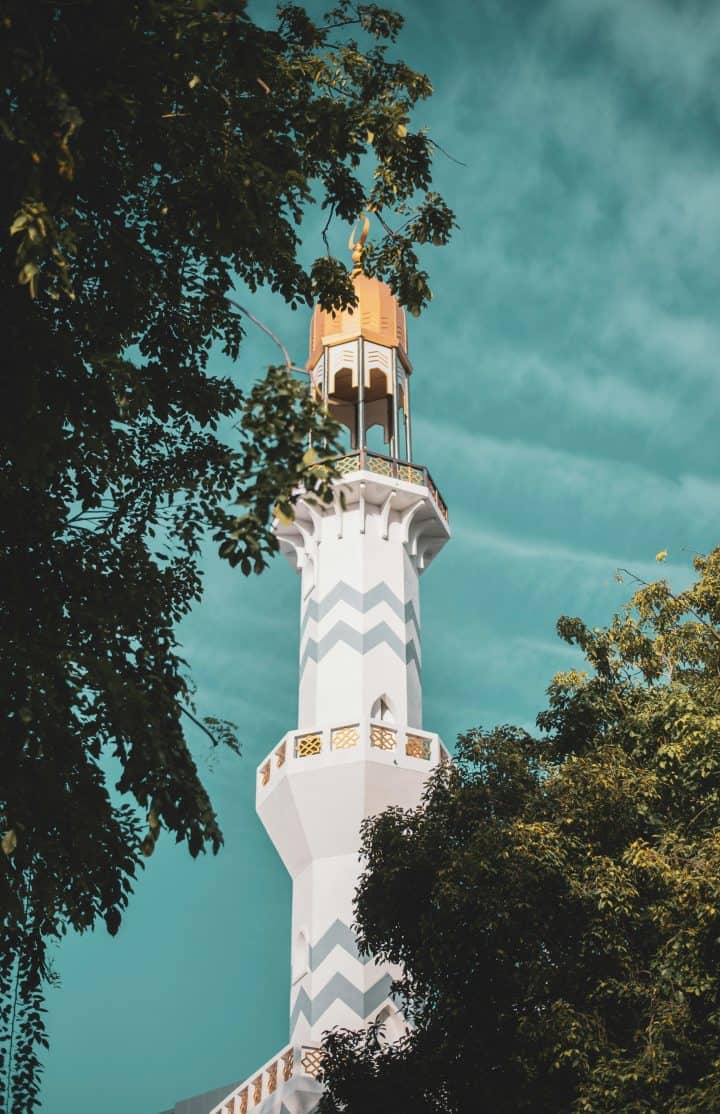
Religious occasions are central to the festive life of the Maldives. Ramadan changes the daily rhythm of the country, and the celebration that follows, Eid al-Fitr, is one of the most important times of year for families and communities. Eid al-Adha, often called Bodu Eid in the Maldives, is another major celebration marked by prayer, food, visiting, and togetherness.
One of the most distinctive traditions connected to Ramadan is Maahefun, a Maldivian gathering held before the fasting month begins. It has grown into a well-loved occasion centered on food, sharing, and being together with family and friends, and it is one of the more memorable cultural traditions for travelers to learn about.
National Days and Public Celebrations
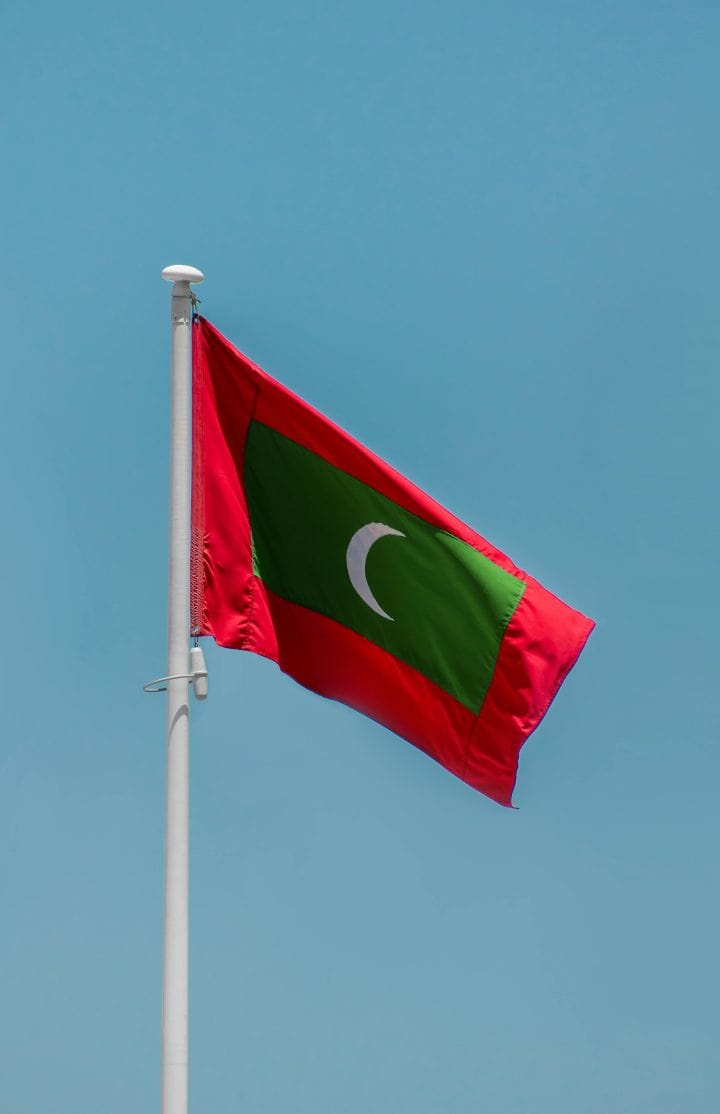
The Maldives also has important national occasions that shape its public calendar. Independence Day, held on 26 July, commemorates independence in 1965 and is often marked with flag ceremonies, formal events, and public celebrations. Republic Day, held on 11 November, marks the country’s transition from monarchy to republic in 1968.
National Day has a different rhythm because it follows the Islamic calendar rather than a fixed Gregorian date. It is observed on 1 Rabi’ al-Awwal, so it moves each year, and it is tied to national memory and patriotism.
Music, Dance and Festive Atmosphere
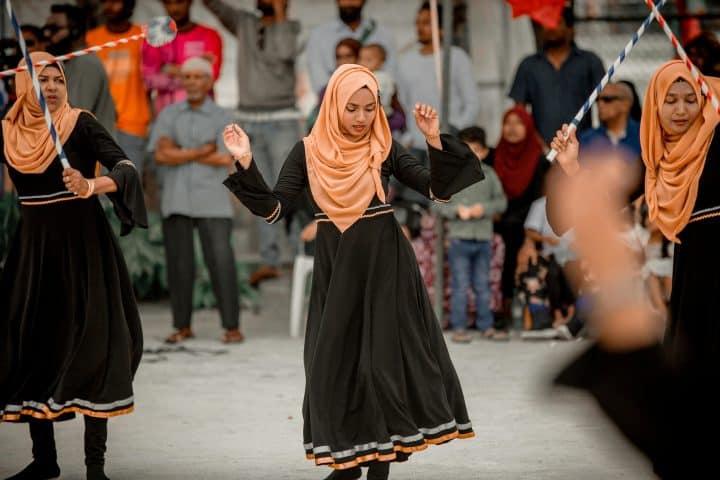
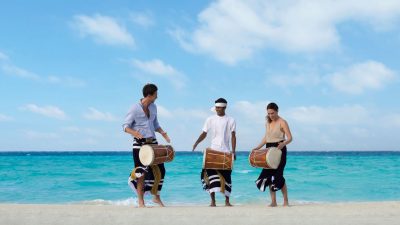
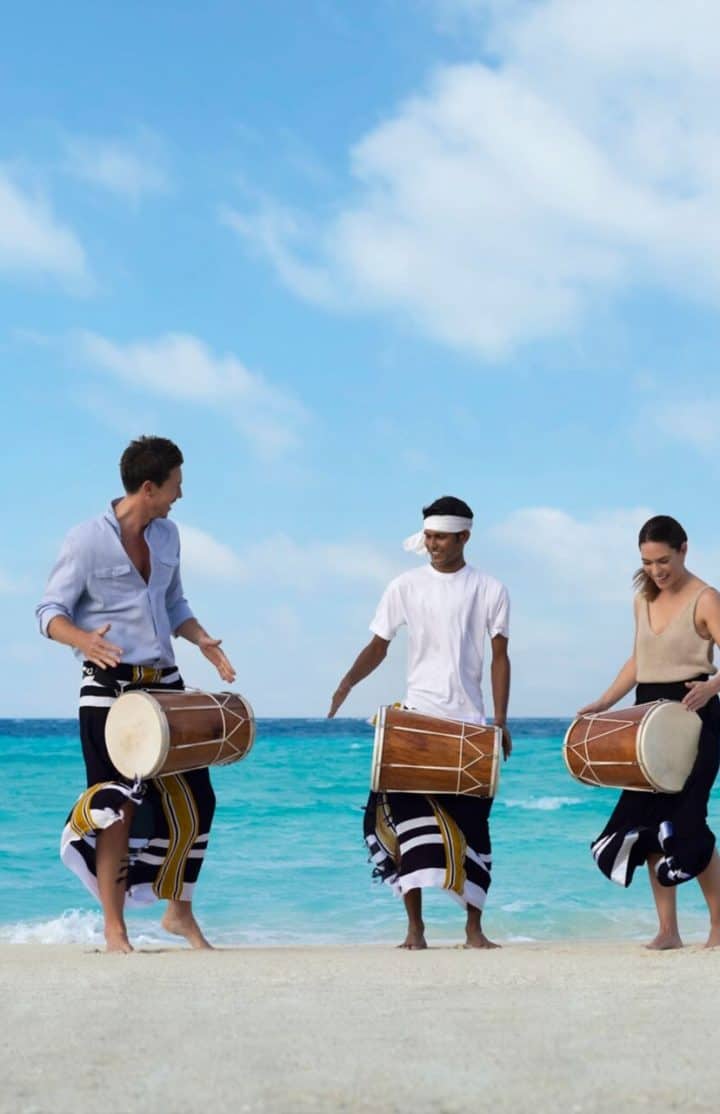
Festivals in the Maldives are not only about dates on a calendar. They are also about atmosphere. Traditional performances such as Bodu Beru, Thaara Jehun, Bandiyaa Jehun, and Dhandi Jehun often appear at celebratory occasions, national functions, island gatherings, and cultural events. These performances bring out the communal, rhythmic side of Maldivian culture and can make even a short event feel lively and memorable.
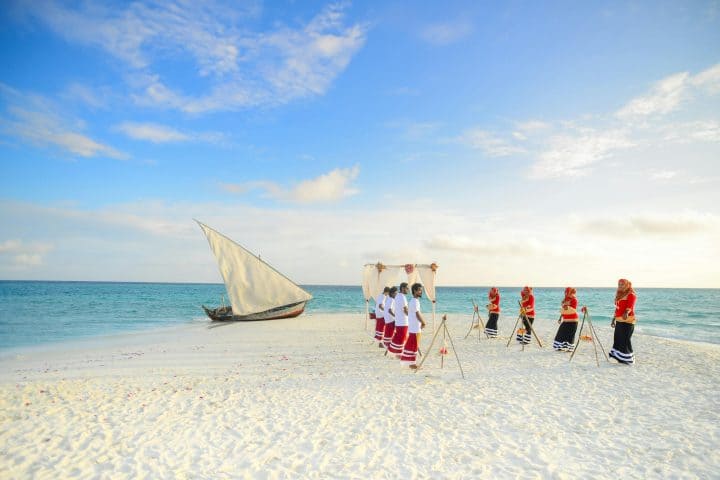
For visitors, this means a festive moment in the Maldives may include drumming, dancing, shared food, traditional dress, and a much stronger sense of local identity than the classic resort image alone might suggest. Cultural evenings at resorts offer one version of this, while local islands and public celebrations often feel more grounded in everyday community life. This last comparison is an interpretation based on how these performances are used in both visitor-facing and community settings.
What Travelers Might Notice
Travelers who visit during major festive periods may notice a different mood across the islands. Some days feel quieter and more reflective, especially around prayer and family time, while others feel more social and celebratory. In local communities, festive periods often bring shared meals, gatherings, music, and special foods, while resorts may add themed dinners, performances, and holiday programs.
Because many key dates are based on the Islamic calendar, it is worth checking the timing of your trip if you want to travel around a particular celebration. That is especially true for Ramadan, Eid, and National Day, whose timing can shift from year to year.
FAQs
What are the main festivals in the Maldives?
The main festive periods include Ramadan, Eid al-Fitr, Eid al-Adha / Bodu Eid, Independence Day, Republic Day, and National Day.
Does the Maldives have festivals that change date every year?
Yes. Many important celebrations follow the Islamic calendar, so their dates shift each year in the Gregorian calendar.
What is Maahefun?
Maahefun is a well-loved Maldivian gathering held before Ramadan begins, centered on food, sharing, and togetherness.
When is Maldives Independence Day?
It is celebrated on 26 July.
When is Republic Day in the Maldives?
Republic Day is observed on 11 November and marks the country’s transition to a republic in 1968.
What kind of performances are linked to Maldivian celebrations?
Traditional performances linked to celebrations include Bodu Beru, Thaara Jehun, Bandiyaa Jehun, and Dhandi Jehun.
Explore Stays with Easy Access to Malé
If you want to combine a resort stay with easier access to the capital area and public celebrations, explore Top Maldives Resorts Near Malé.
Related Guides