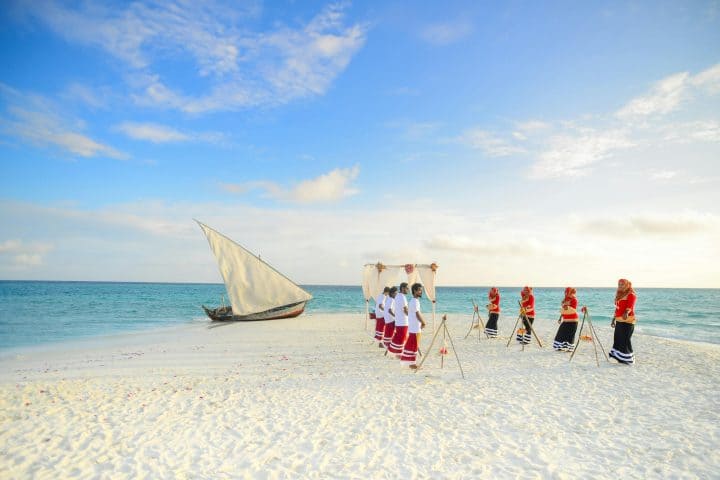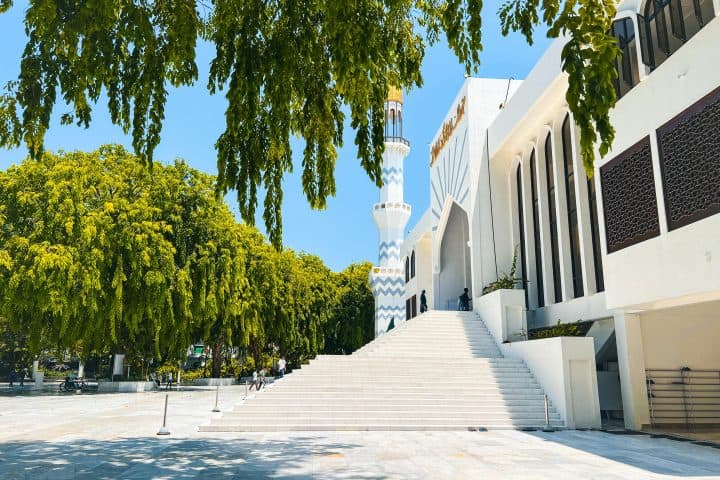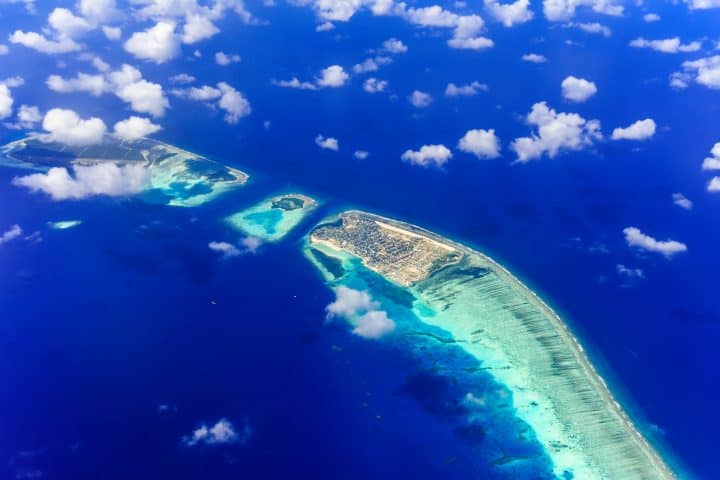
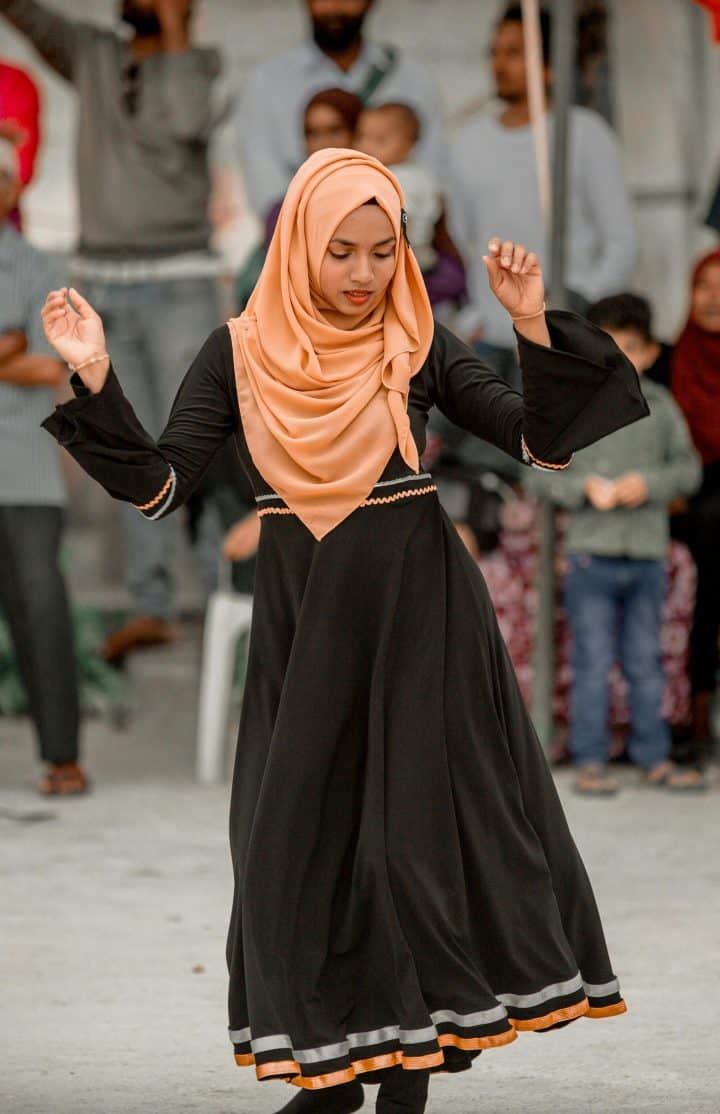
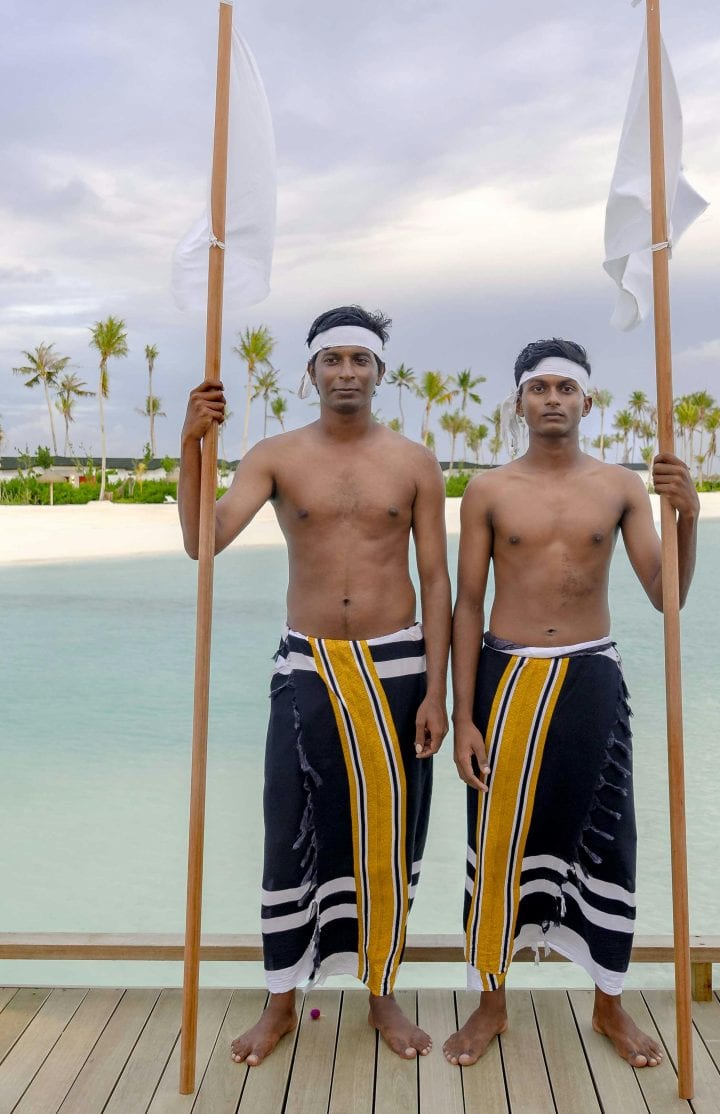
Maldives Arts, Music & Dance reveal a creative side of the country that many visitors do not fully discover at first. Alongside its beaches and marine life, the Maldives has a cultural heritage shaped by seafaring life, close island communities, and traditions passed down through generations. Music, dance, craftwork, embroidery, storytelling, and ceremonial dress all help give the Maldives its own cultural character. Maldivian music and dance reflect influences from East Africa, Arabia, and the Indian subcontinent, while still feeling distinctly local.
For travelers who want to experience more than scenery, this side of the Maldives adds depth to the trip. If you would like a more local-style angle to go with this page, read Best Local Islands in the Maldives for an Authentic Stay from your Blog list.
Quick Facts
Best-known traditional performance
Bodu Beru
Bodu Beru meaning
“Big drum”
Bodu Beru instruments
Large coconut-wood drums with goatskin heads
Other traditional performance styles
Thaara Jehun, Bandiyaa Jehun, Dhandi Jehun
Well-known craft traditions
Thun’du Kunaa mat weaving, lacquer work, embroidery
Cultural details visitors may notice
Traditional dress, handmade crafts, community performances, storytelling
The Creative Side of Island Life
Across the Maldives, creativity has long been part of everyday life. Island communities developed their own forms of decoration, performance, craft, and storytelling, often using natural materials close at hand. Handmade mats, lacquered wooden items, embroidery, traditional dress, and oral storytelling all remain part of the country’s cultural identity, even as tourism and modern life continue to reshape daily routines.
Because the Maldives is spread across many islands, cultural expression has often been kept alive through community events, family traditions, and festive gatherings. That is why even short performances or simple handmade objects can feel closely tied to place, memory, and island identity.
Traditional Crafts
One of the best-known traditional crafts is Thun’du Kunaa, the art of mat weaving. These finely woven mats are one of the most recognizable forms of Maldivian craftsmanship and are strongly associated with the islands’ handmade heritage. Lacquer work is another important tradition, known for its glossy finish and decorative motifs, while embroidery and traditional dress continue to play a visible role in cultural presentation and ceremonial style.
These crafts are part of what makes Maldivian culture feel tactile and lived-in. They are not just decorative objects for display. They reflect skills, materials, and techniques that have been carried forward over time, often through local artisans and island communities.
Bodu Beru and the Sound of the Maldives
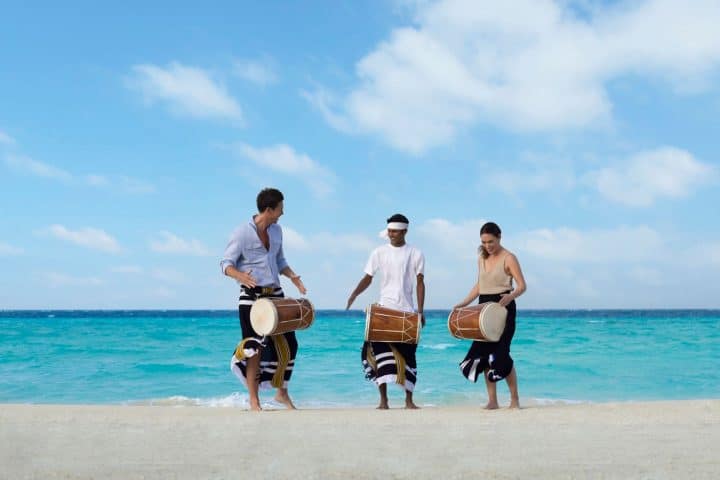
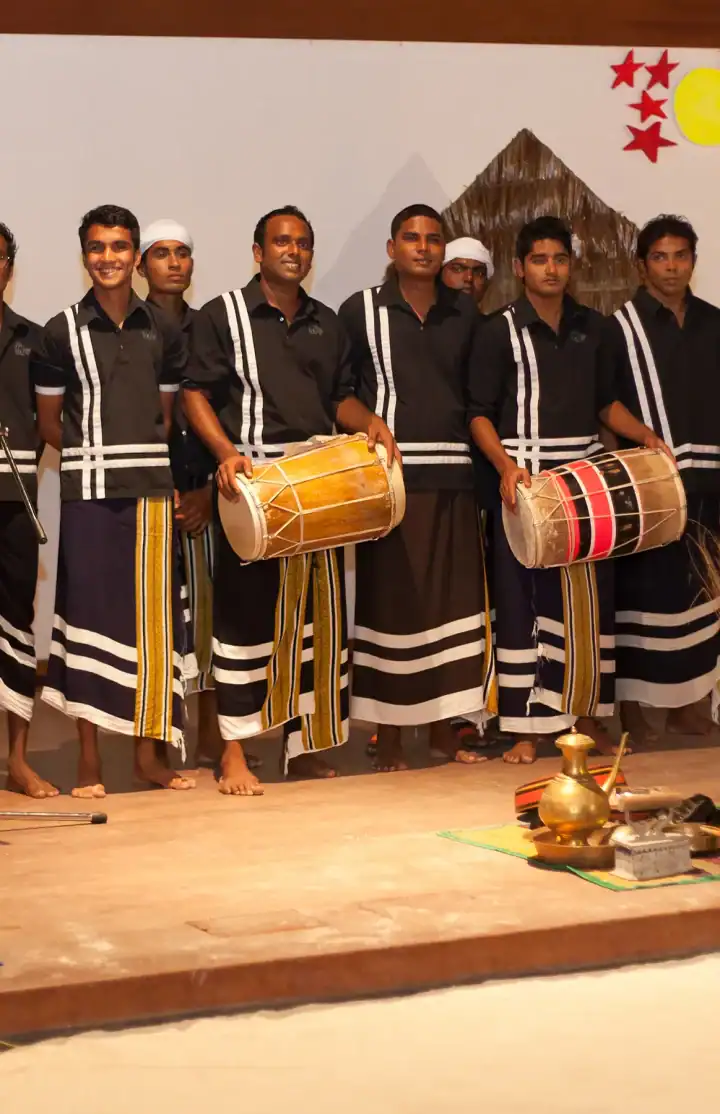
If one performance style captures the energy of Maldivian culture most clearly, it is Bodu Beru. The name means “big drum,” and it is one of the best-loved forms of music and dance in the country. A typical performance builds from a slow, steady rhythm into a faster and more energetic finish, drawing performers and audience into the same rising tempo. The drums are commonly made from coconut wood with goatskin drum heads, and performances often include around 20 people with drummers, singers, and dancers.
Bodu Beru is performed at celebrations, festivals, stage shows, and cultural events, and it has also become a familiar welcome experience for many travelers arriving at resorts or guesthouses. It is lively, communal, and immediately memorable, which is one reason it has become such a strong symbol of Maldivian cultural identity.
Other Traditional Performances
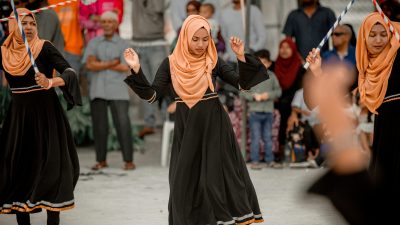
The Maldives also has other traditional performance styles that show different sides of its cultural life. Thaara Jehun brings together rows of male performers singing and moving in rhythm, while Bandiyaa Jehun is a graceful women’s dance using metal pots as percussion. Dhandi Jehun adds sticks, group movement, and a festive energy that can vary from island to island. Together, these forms show that Maldivian performance culture is more varied than many visitors first expect.
Some of these traditions are seen most often during festivals, celebrations, or special cultural showcases. Others have found new visibility through tourism, which has helped keep interest in them alive and introduced them to a wider audience.
Seeing Arts and Culture as a Traveler
For visitors, Maldivian arts and music are often easiest to experience through resort cultural evenings, guesthouse programs, special events, or time spent on local islands. Performances can be short and celebratory, but they still offer a useful glimpse into the human side of the destination. Travelers who go beyond the beach-and-villa view of the Maldives often come away with a richer sense of the country.
Arts, music, and dance may not be the first reason people book a Maldives trip, but they are part of what gives the destination personality. They connect the islands to memory, community, and heritage, and they help visitors see the Maldives as more than a luxury backdrop.
FAQs
What is Bodu Beru?
Bodu Beru is one of the Maldives’ best-known traditional music and dance forms. It centers on large drums, singing, and a rhythm that gradually builds in speed and energy.
What does Bodu Beru mean?
The name literally means “big drum” in Dhivehi.
What are some traditional Maldivian crafts?
Well-known traditional crafts include Thun’du Kunaa mat weaving, lacquer work, embroidery, and traditional decorative handmade items.
Are traditional performances only seen on local islands?
No. Visitors may also see them at resorts, guesthouses, festivals, and cultural events, although local islands often give a more grounded sense of how these traditions connect to community life.
What is Bandiyaa Jehun?
Bandiyaa Jehun is a traditional women’s performance in which dancers sing and move in rhythm while tapping metal pots.
Is Maldivian culture only about music and dance?
No. It also includes language, storytelling, dress, craftsmanship, community traditions, and island ways of life that have developed over generations.
Explore More of the Maldives Beyond the Beach
If you want a stay that makes it easier to combine resort comfort with a broader look at Maldivian life, explore Top Maldives Resorts Near Malé from your Interest list.
Related Guides