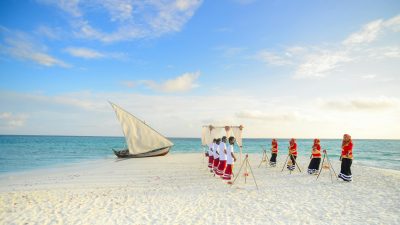
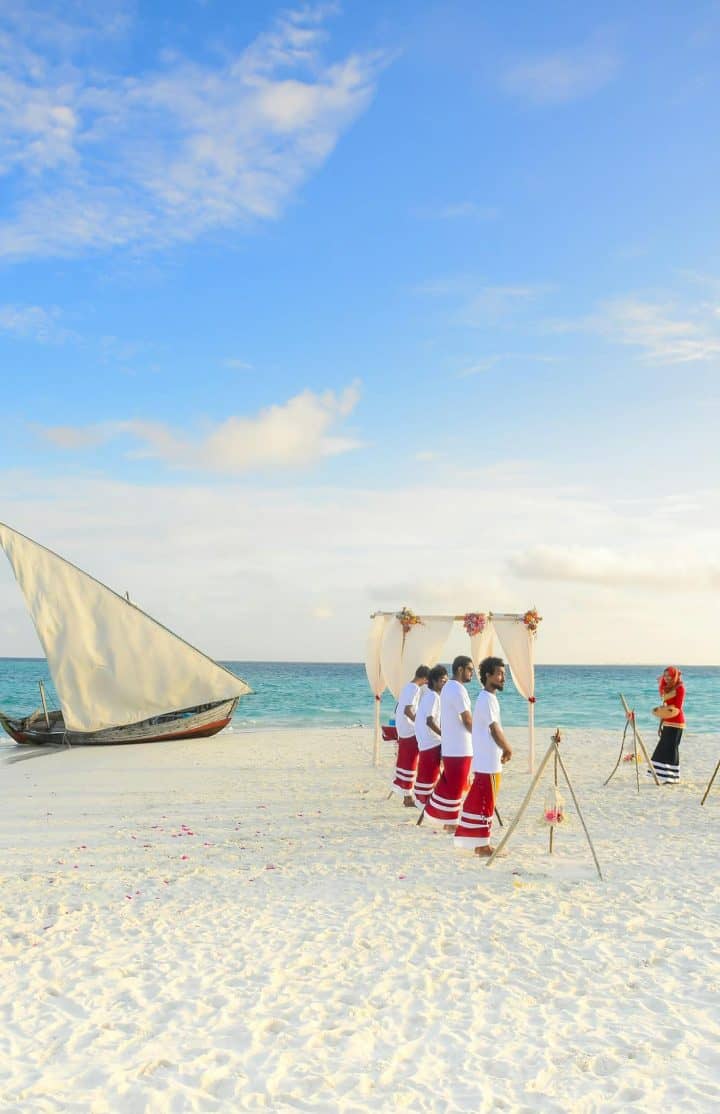
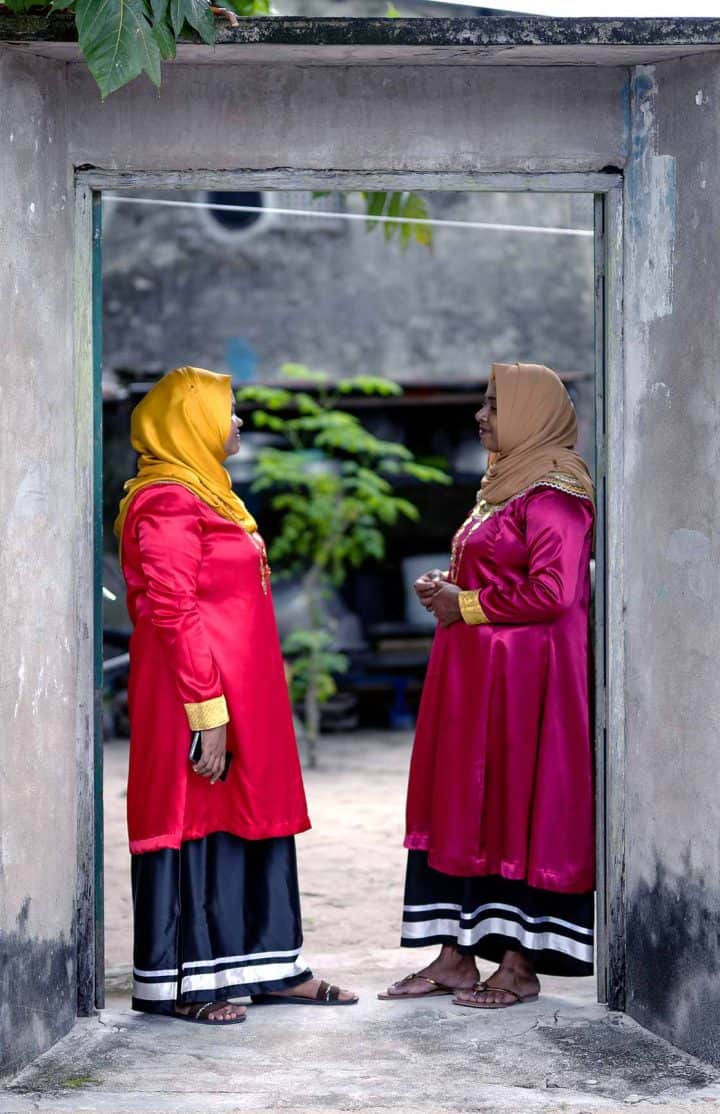
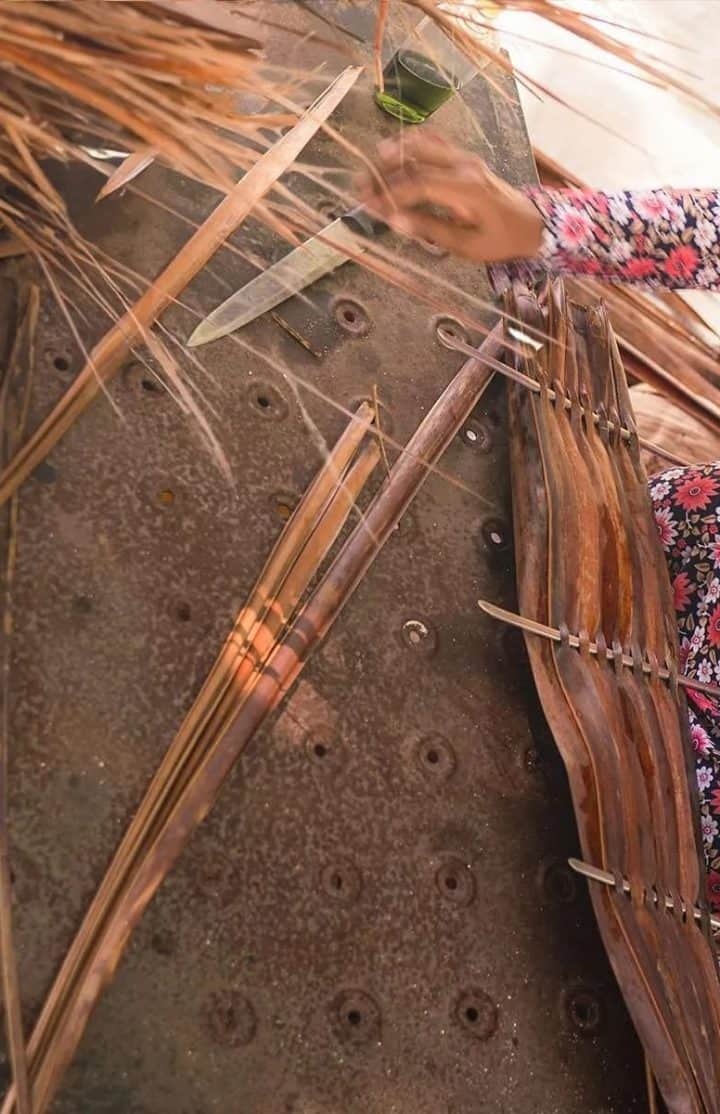
Maldives Culture & People offer a closer look at the human side of the destination, beyond the usual images of villas, reefs, and clear lagoons. The Maldives has a strong cultural identity shaped by the sea, Islam, island community life, and centuries of connection across the Indian Ocean. Beyond the postcard views, the Maldives has its own language, traditions, music, food culture, and everyday rhythms that give the destination real depth.
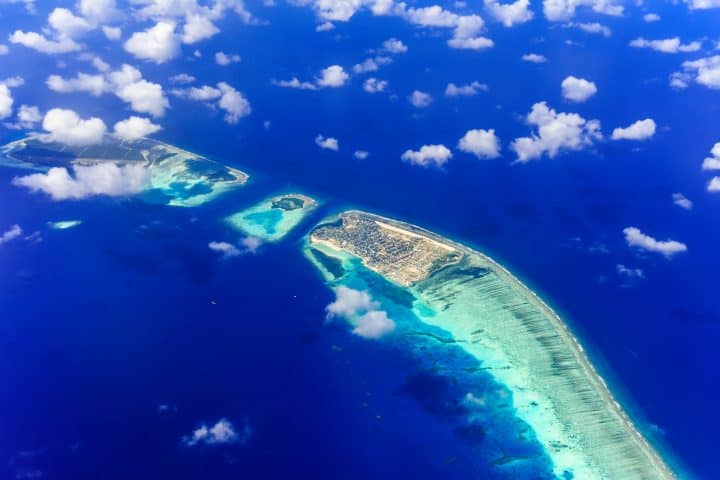
Life in the Maldives has long been influenced by geography. Communities developed across small islands separated by water, which created a culture rooted in closeness, self-reliance, and community ties. Even today, island life often feels personal, local, and community-focused, especially outside the resort setting.
If you want to see a more local side of the destination, read Best Local Islands in the Maldives for an Authentic Stay for a travel angle that connects naturally with Maldivian culture and everyday island life.
Quick Culture Facts
People
Maldivians
Language
Dhivehi
Script
Thaana
Religion
Islam
Everyday influences
Island life, fishing heritage, community ties, seafaring history
Known cultural expression
Bodu Beru music and dance
Visitor tip
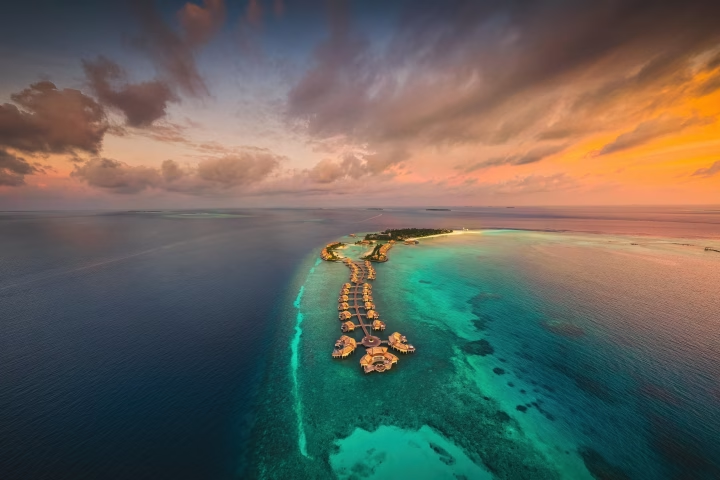
Customs are more relaxed on resort islands and more traditional on local islands
The People of the Maldives
The people of the Maldives are known as Maldivians, and the national language is Dhivehi. While island life can vary from place to place, there is a shared sense of identity across the country shaped by religion, family life, hospitality, and the sea.
Daily life in the Maldives has traditionally revolved around fishing, seafaring, trade, and close-knit island communities. In modern times, tourism has become a major part of the economy, but local life still reflects many long-standing customs and values. Family, respect, modesty, and community remain important parts of the social fabric.
Language, Religion and Identity
Dhivehi is the national language and an important part of cultural identity. It has its own script, called Thaana, and gives the Maldives a distinct linguistic character within the region.
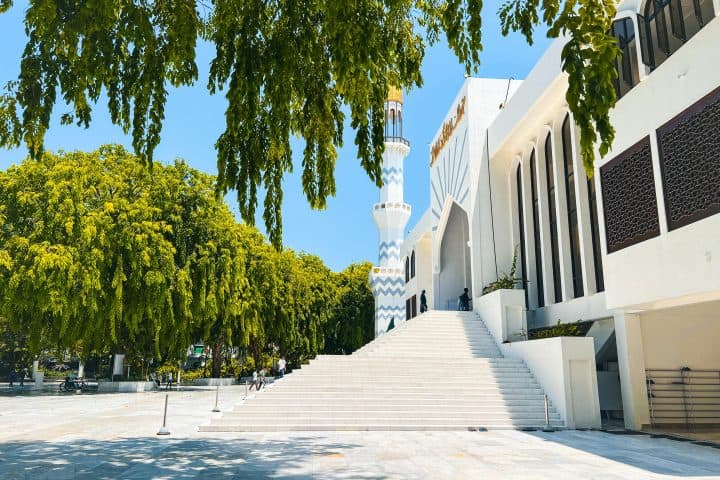
Islam plays a central role in public life and cultural identity in the Maldives. It shapes many aspects of daily life, including religious observance, holidays, dress expectations in local communities, and the overall tone of public customs. For visitors, this is most noticeable when visiting inhabited local islands rather than private resort islands, where the setting is more international in style.
Island Life and Local Culture
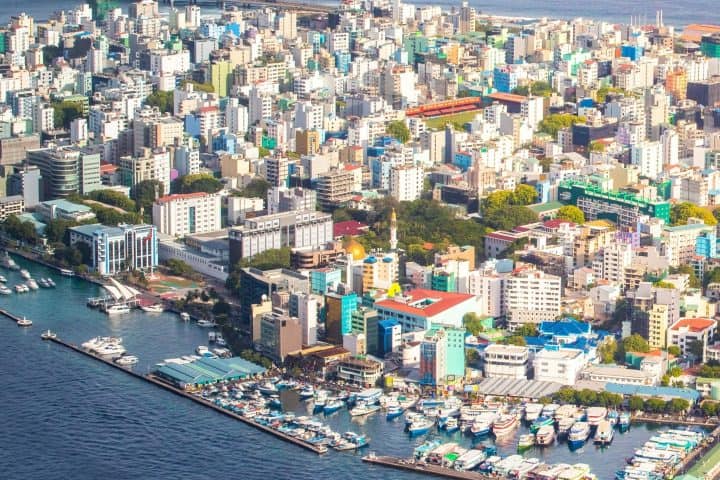
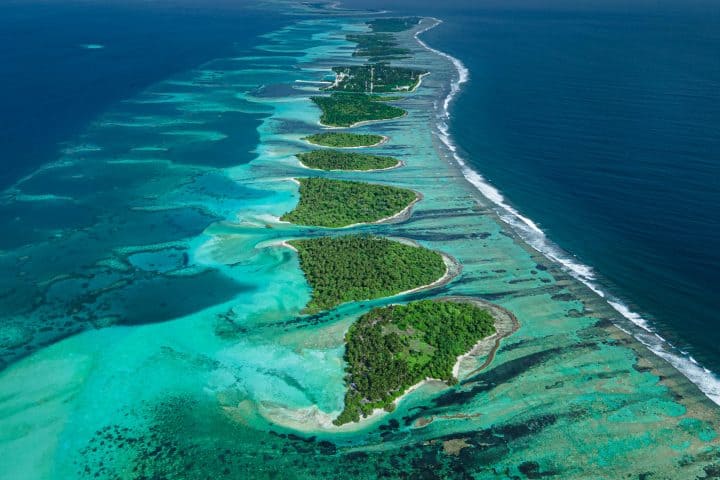
Because the Maldives is spread across many islands, local culture is closely tied to island life. Communities are often small, and daily routines tend to feel more personal and familiar than in large city destinations. Fishing harbors, mosques, schools, cafés, and local beaches all play a role in the rhythm of everyday life.
This island-based way of living has helped preserve a strong community identity. It also means that visitors who explore beyond resorts often notice a quieter, more grounded side of the Maldives. Local islands can offer a very different feel from resort islands, not better or worse, just a different window into the country.
Hospitality and Everyday Manners
Maldivian culture is generally warm, polite, and welcoming. Respect matters, especially in local communities. Simple things such as dressing modestly away from resort islands, behaving respectfully around places of worship, and being mindful of local customs help create a better experience for both visitors and residents.
Hospitality is an important part of island life. Whether through a guesthouse stay, a local café, or a guided island visit, many travelers find that personal interactions are one of the most memorable parts of seeing another side of the Maldives.
Food, Music and Cultural Expression
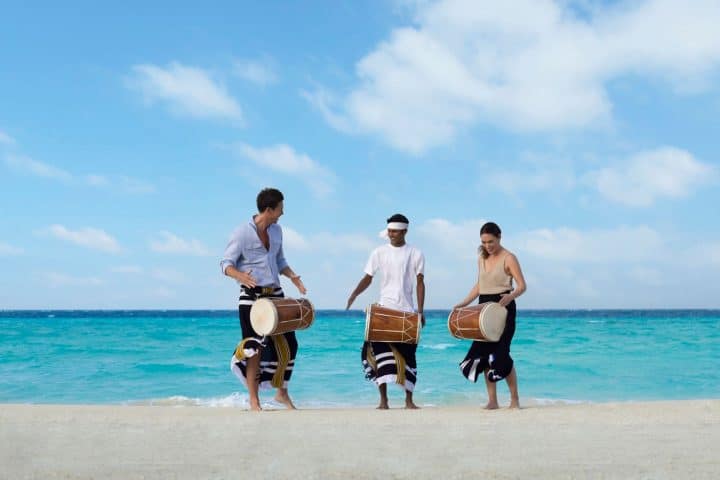
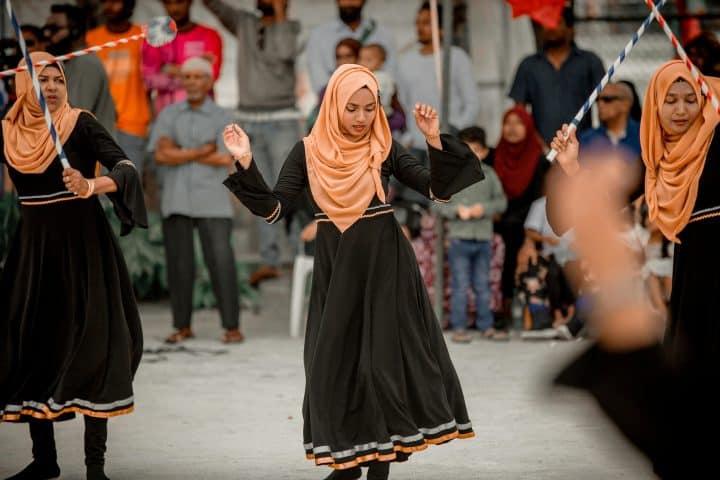
Maldivian culture also comes through in everyday experiences such as food, crafts, and music. Seafood, coconut, rice, and spices play an important role in local cuisine, while island traditions can still be seen in handmade items, boatbuilding heritage, and forms of performance such as Bodu Beru, one of the country’s best-known traditional music and dance styles.
These cultural elements may not always be the first thing travelers think of when planning a Maldives trip, but they add texture and personality to the destination. For visitors interested in more than scenery alone, they are part of what makes the country feel real and memorable.
Why Culture Matters for Travelers
Understanding local culture helps travelers see the Maldives as more than a beach escape. It gives context to the country’s islands, people, customs, and differences between resort life and local island life. It also helps visitors travel more thoughtfully, especially when combining resort time with local experiences.
For many travelers, learning a little about Maldivian culture leads to a richer trip. The beaches and reefs may bring people here, but the human side of the destination often stays with them too.
FAQs
What language do people speak in the Maldives?
The national language is Dhivehi.
What religion is followed in the Maldives?
Islam is central to public life and cultural identity in the Maldives.
Is local culture visible in the Maldives if I stay at a resort?
Yes, but usually in a lighter way. Resort islands are designed for international travelers, while local islands tend to give a clearer sense of everyday Maldivian life and community culture.
Are local islands different from resort islands?
Yes. Local islands are lived-in communities with schools, homes, mosques, shops, and everyday routines, while resort islands are designed mainly for tourism and private holiday stays.
What is Bodu Beru?
Bodu Beru is one of the Maldives’ best-known traditional forms of music and dance, often performed with drums and group singing.
Do travelers need to dress differently on local islands?
Yes. On local islands, modest dress is expected in public areas. Resort islands usually have a more relaxed holiday atmosphere.
Explore a More Local Side of the Maldives
If you want to combine resort comfort with easier access to the country’s urban and local side, explore Top Maldives Resorts Near Malé for stays that work well with a broader view of the destination.
Related Guides