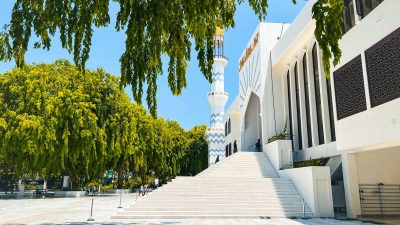
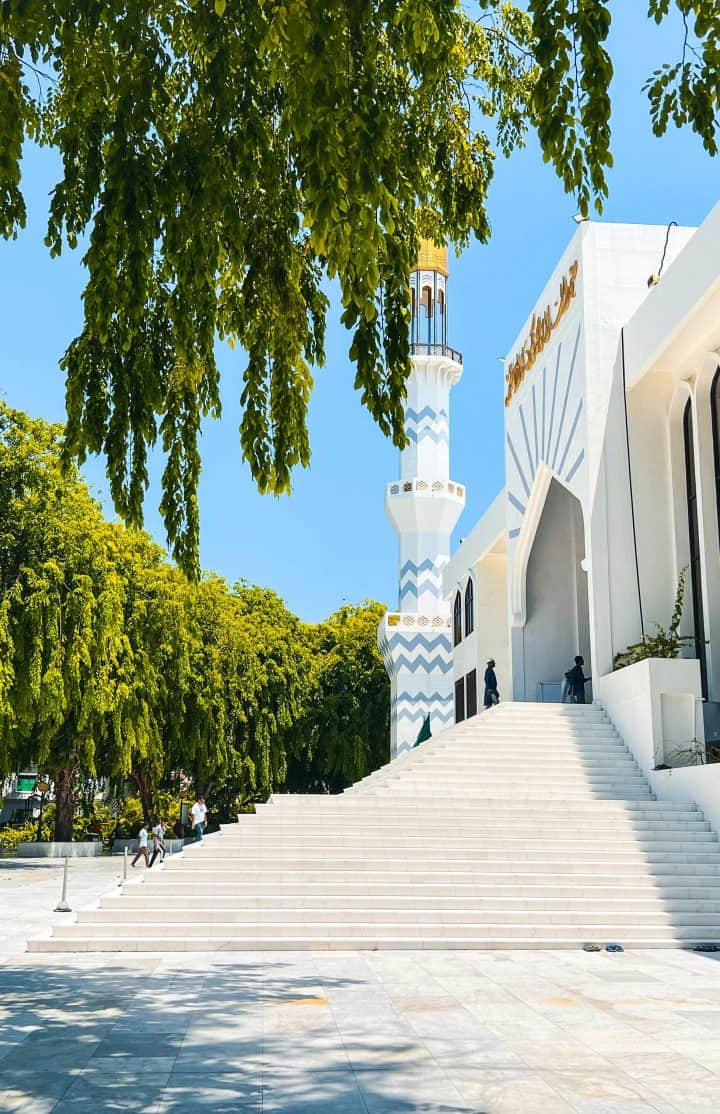
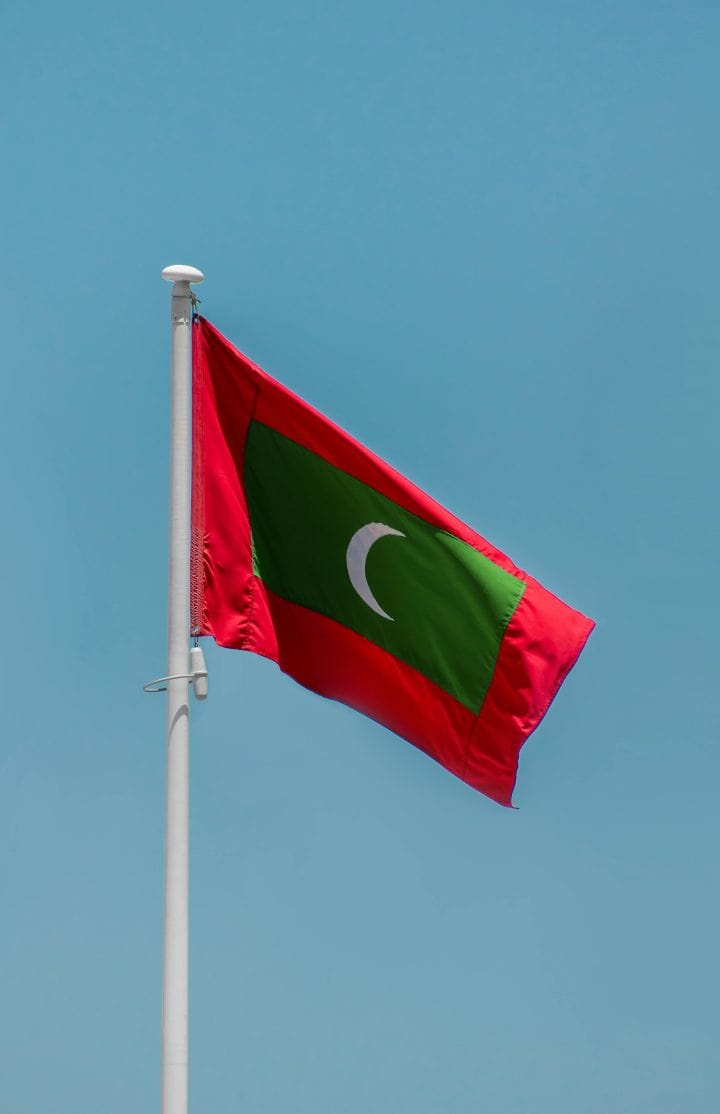
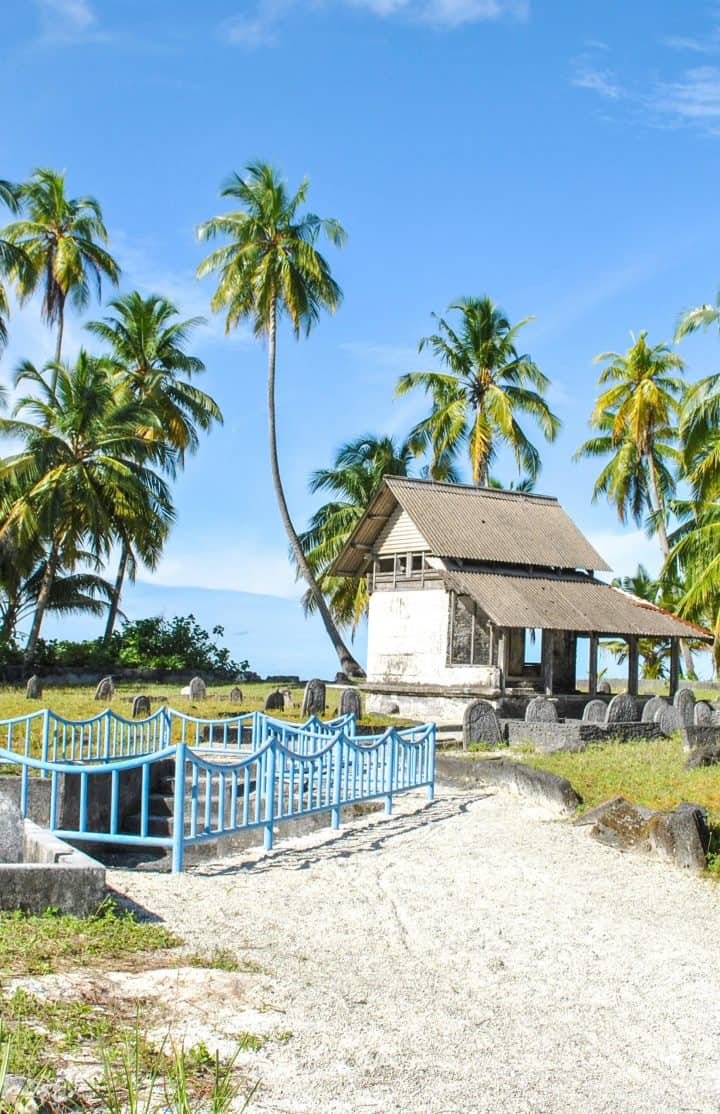
Maldives History helps reveal the story behind the islands, showing that the country is much more than beaches, lagoons, and resorts.
The history of the Maldives is shaped by the sea. Set along important Indian Ocean trade routes, the islands developed through centuries of movement, exchange, and outside influence, while still keeping a strong identity of their own. Over time, the Maldives grew from an early island society into a sultanate, later passed through periods of foreign influence, and eventually became the independent republic known today.
The islands were known to traders for their location and for resources such as cowrie shells, which once played an important role in regional trade. By the 12th century, the Maldives had become an established trading center, and in 1153 CE the country officially embraced Islam, a turning point that still shapes Maldivian identity today.
If you want to pair this background with a more local-style travel perspective, link naturally here to Best Local Islands in the Maldives for an Authentic Stay from your Blog list.
Quick History Highlights
Early settlement
More than 2,500 years ago
Indian Ocean role
Part of major maritime trade routes
Known historic trade item
Cowrie shells
Conversion to Islam
1153 CE
Political tradition
Long period as a sultanate
British protectorate
Formalized in 1887
Independence
26 July 1965
Republic established
968
Early Settlement and Trade
The Maldives has a long human history, with settlement going back more than two thousand years. Its position in the Indian Ocean placed it between Africa, the Middle East, South Asia, and Southeast Asia, which made the islands part of wider maritime networks long before modern tourism. Over time, this brought outside ideas and influences while the islands continued to develop their own language, traditions, and way of life.
Trade helped shape the Maldives in practical as well as cultural ways. Cowrie shells from the islands were once widely used as currency across parts of Asia and Africa, and the Maldives became known as a small but important point in Indian Ocean exchange.
Islam and the Sultanate
A major turning point came in 1153 CE, when the Maldives officially converted to Islam. From that point onward, Islam became central to public life, political structure, and cultural identity, and it remains deeply woven into the country’s character today.
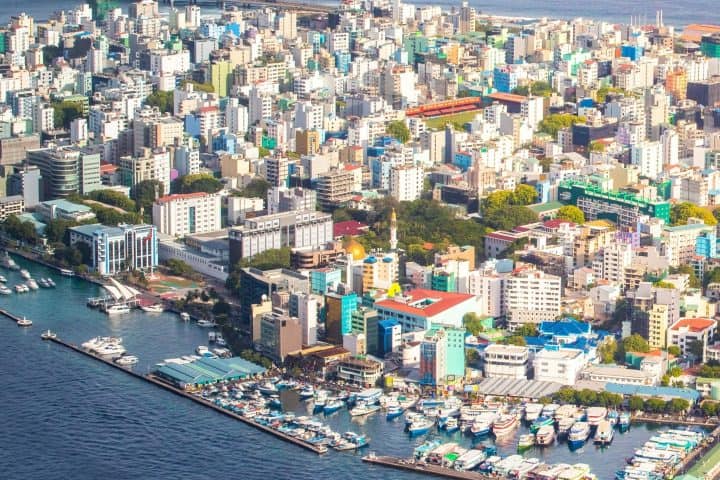
For much of its later history, the Maldives existed as a sultanate. Malé became the political and administrative center, and the islands were governed through a monarchy that adapted over time while maintaining a strong sense of local continuity.
Foreign Influence, Independence and the Republic
From the 16th to the 19th centuries, the Maldives experienced periods of Portuguese, Dutch, and British influence, though local rule continued to play an important role. In 1887, the Maldives became a British protectorate. It gained full independence on 26 July 1965, and in 1968 the country became a republic, ending the monarchy.
These changes shaped the modern state while leaving many older traditions intact. The result is a country where historical continuity and modern national identity still sit closely together.
Why History Still Matters Today
Maldives history is not just something found in books. It still helps explain the country’s language, religion, island communities, and the importance of Malé as the national center. It also adds another layer to the visitor experience, especially for travelers who want to understand the Maldives beyond beaches and resorts.
Seeing the Maldives through its history makes the destination feel richer. The islands are known globally for natural beauty, but their story is also one of trade, faith, resilience, and cultural continuity across centuries.
FAQs
How old is the history of the Maldives?
The Maldives has a long human history, with settlement going back more than two thousand years.
Why was the Maldives important in the past?
Its location on Indian Ocean trade routes made it a crossroads for movement, exchange, and cultural influence.
What were the Maldives known for in early trade?
The islands were especially known for cowrie shells, which were once used as currency in parts of Asia and Africa.
When did the Maldives become Islamic?
The Maldives officially converted to Islam in 1153 CE.
Was the Maldives once a monarchy?
Yes. The Maldives was ruled for much of its history as a sultanate before becoming a republic in 1968.
When did the Maldives become independent?
The Maldives became fully independent on 26 July 1965.
Explore the Historic Heart of the Maldives
To connect this history with today’s travel map, continue with Top Maldives Resorts Near Malé from your Interest list.
Related Guides