»
»
»
Maldives Geography
Maldives Geography
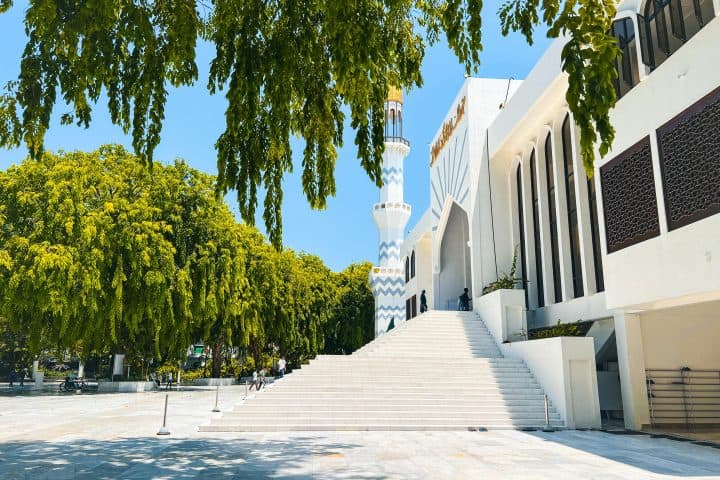
Malé

Maldives Geography

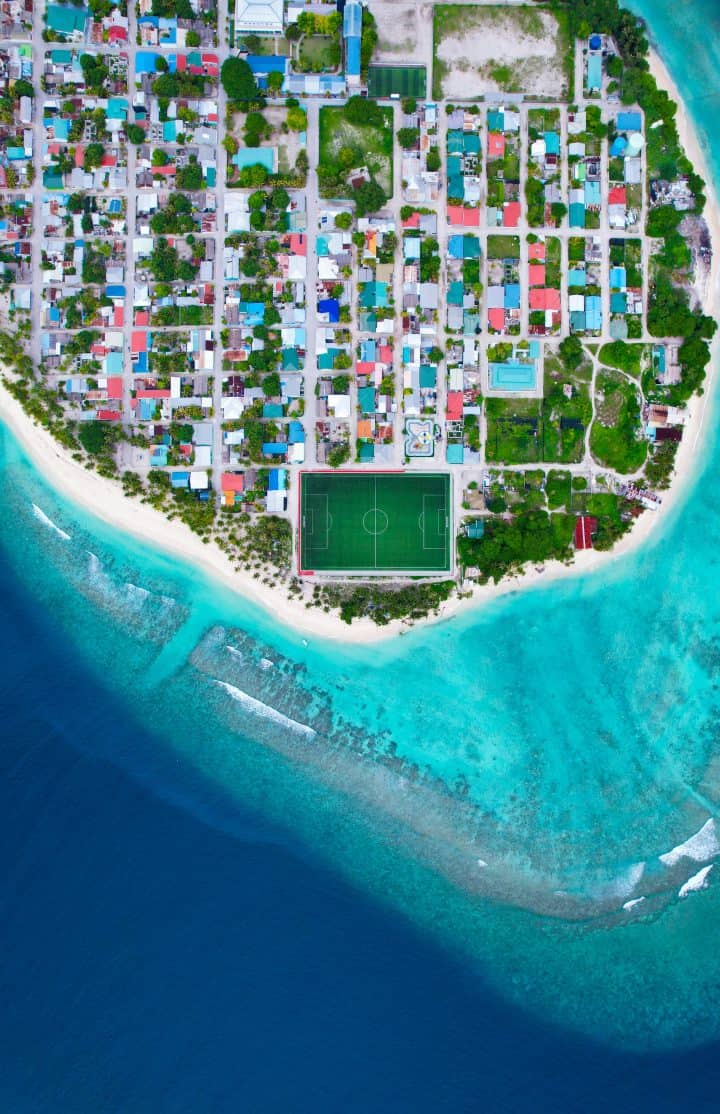
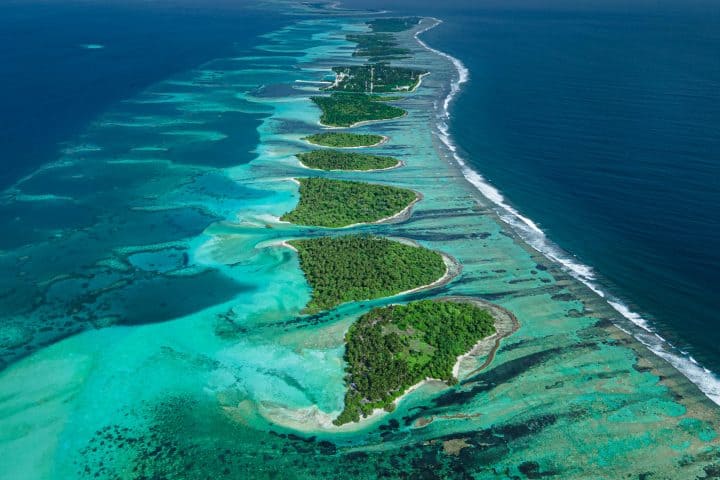
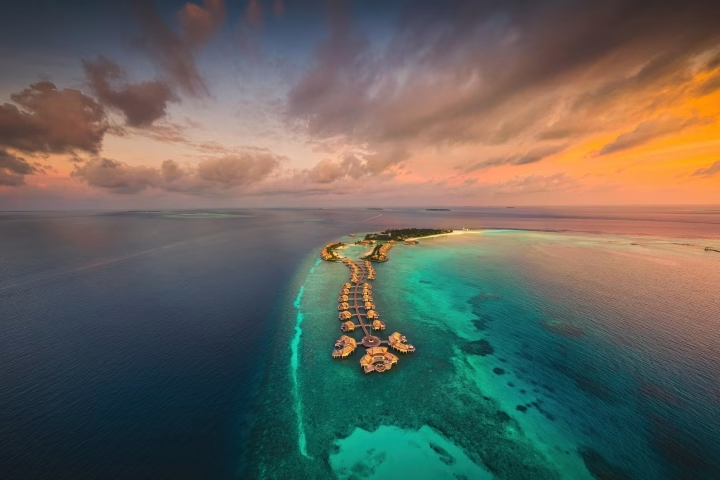
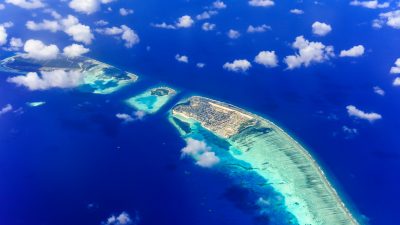
Maldives Geography explains why this island nation feels so different from a typical beach destination. Instead of one large island, the Maldives is spread across a long chain of low-lying coral islands and atolls in the Indian Ocean, stretching across the equator to the southwest of Sri Lanka and south-southwest of India.

The country is made up of around 1,190 islands grouped into 26 natural atolls. It stretches about 823 km from north to south and around 130 km from east to west, with more than 99% of its territory made up of sea. That layout shapes everything from scenery and marine life to transfer times and island atmosphere.

If you want to understand how location changes the style of a Maldives stay, read Best Atolls in the Maldives for Different Types of Travelers before choosing where to stay.
Quick Geography Facts

Region

Indian Ocean, South Asia

Position

Across the equator

Structure

A chain of coral islands arranged in atolls

Natural atolls

26

Islands

Around 1,190

North-south length

About 823 km

East-west width

About 130 km

Land vs sea

More than 99% sea

Elevation

Extremely low-lying, with much of the land close to sea level

How the Maldives Is Laid Out

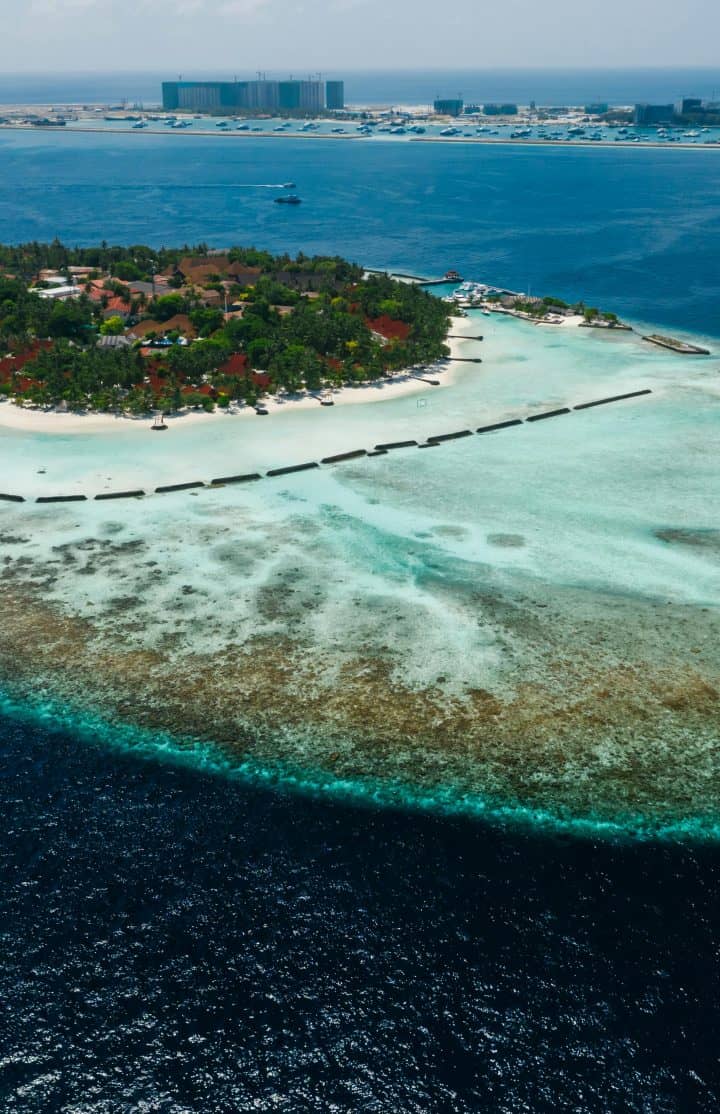
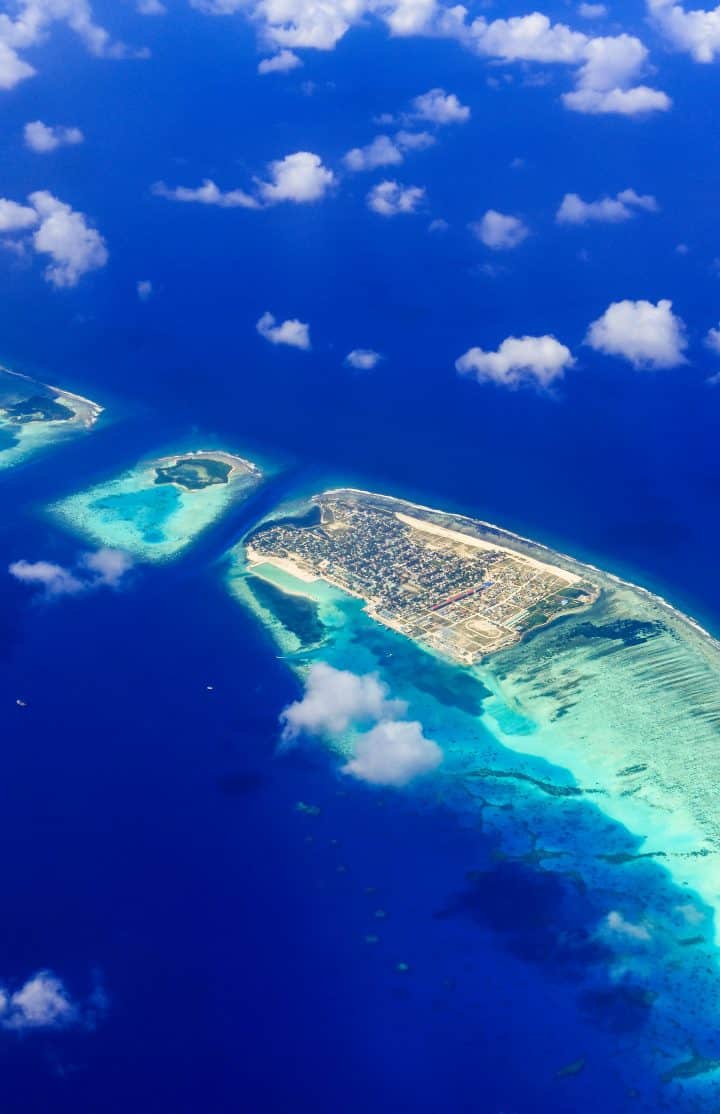
The Maldives lies in two rows of atolls in the Indian Ocean. Each atoll is formed by a coral reef ring surrounding a lagoon, with natural channels cutting through parts of the reef. Within those atoll rings sit the individual islands, and many islands also have their own reef system nearby.

This reef-and-lagoon geography is one of the country’s most defining natural features. The islands are small and very low-lying, which is why lagoon colour, reef position, beach shape, and surrounding marine conditions play such a big role in the look and feel of each island.

Coral Atolls, Lagoons and Reefs

Maldives geography is closely tied to its coral environment. The islands sit on top of a long submarine ridge, and the atolls have developed from coral reef systems around shallow lagoons. Reefs help protect many islands from wave action and are also the foundation of the country’s famous snorkeling and diving environment.

This natural structure also explains why different islands can feel surprisingly different from one another. Some are known for broad lagoons and calm shallows, while others are better known for house reefs, channels, or stronger marine life encounters. In the Maldives, geography is not just about location on a map. It directly shapes the travel experience.

Why Geography Matters for Travelers

In the Maldives, geography affects more than scenery. It helps determine how you reach your island, how long the transfer takes, what kind of reef or lagoon you may find, and whether a stay feels closer to Malé or more remote and secluded.

Resorts in atolls near the airport are often easier for shorter holidays, while more distant atolls may require domestic flights or seaplanes and often feel quieter and more removed. This is one of the main reasons why choosing the right atoll is such an important part of planning a Maldives trip.

Geography also helps explain why the Maldives is especially vulnerable to coastal erosion and sea-level rise. Much of the country’s land lies less than one metre above sea level, making the islands particularly exposed to environmental change.

FAQs

Where is the Maldives located?

The Maldives is in the Indian Ocean, in South Asia, stretching across the equator to the southwest of Sri Lanka and south-southwest of India.

How many atolls are there in the Maldives?

The Maldives has 26 natural atolls.

How many islands are there in the Maldives?

The Maldives is made up of around 1,190 islands.

Why does Maldives geography feel so different from other beach destinations?

Because the country is spread across many small islands and atolls instead of one main island. That means transfer type, reef access, lagoon style, and overall atmosphere can vary a lot from one stay to another.

Are all islands in the Maldives inhabited?

No. Only a portion of the islands are inhabited, while others are used for resorts, agriculture, infrastructure, or remain uninhabited.

Why are transfer times so important in the Maldives?

Because the islands are spread over a long distance, and reaching different atolls may involve speedboat, seaplane, or domestic flight connections.

Explore Maldives Geography Through Real Stays

If you want to start with an easy location for understanding how geography affects resort choice, explore Top Maldives Resorts Near Malé

Related Guides

Malé Discovery Tour​
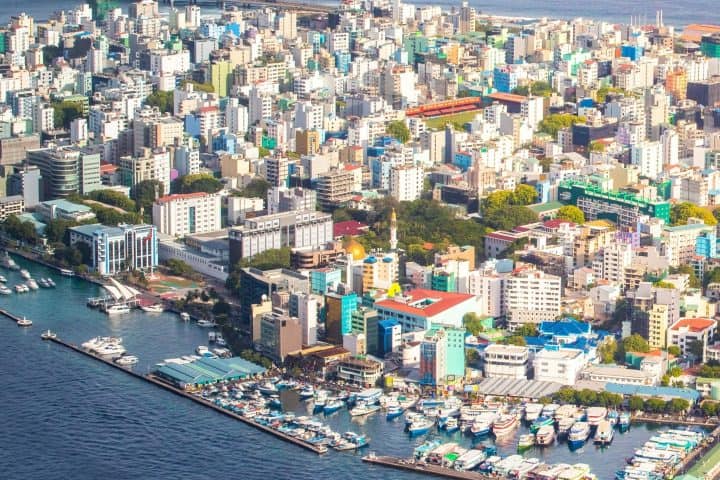
Malé Guide covers what to see, where to stay, where to eat, and how to explore the Maldives capital and nearby Hulhumalé.
The Ritz-Carlton Maldives, Fari Islands
Maldives Festivals & Events covers Ramadan, Eid, national days, Maahefun, and the celebrations that shape island life.
Maldives Environment
Maldives Environment explores coral reefs, seagrass, mangroves, marine life, and why these fragile ecosystems matter to travelers.
Maldives Climate & Seasons
Maldives Climate explains the sunny and wetter seasons, temperatures, monsoons, and how weather shapes the best time to visit.
Maldives Arts, Music & Dance
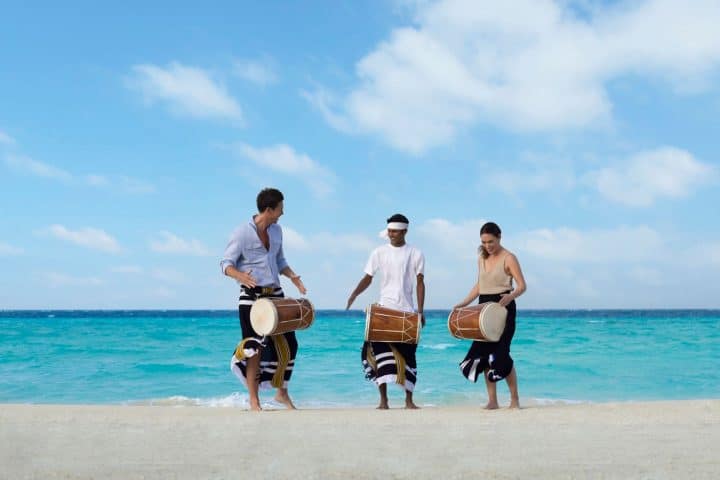
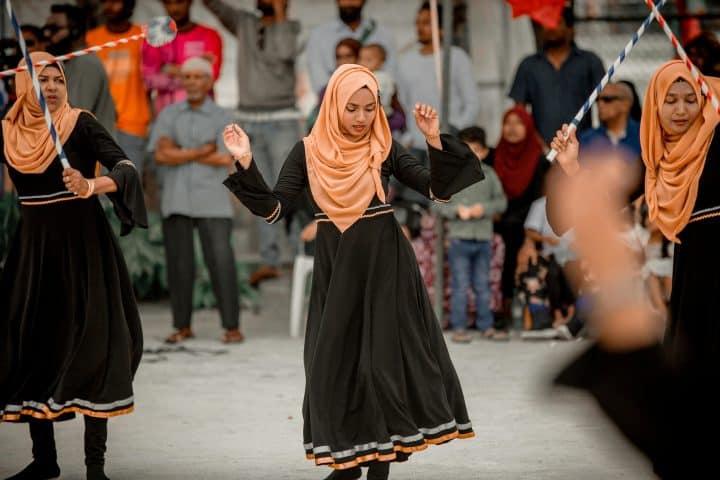
Maldives Arts, Music & Dance explores Bodu Beru, traditional performances, crafts, and the creative side of island life.
Maldives Culture & People
Maldives Culture & People looks at language, religion, island life, customs, hospitality, and what shapes local identity.
Maldives History
Maldives History explores early settlement, trade, Islam, the sultanate, independence, and the making of the modern republic.
InterContinental Maldives Maamunagau Resort by IHG
Maldives Fast Facts covers location, atolls, islands, language, currency, climate, and key travel basics before your trip.