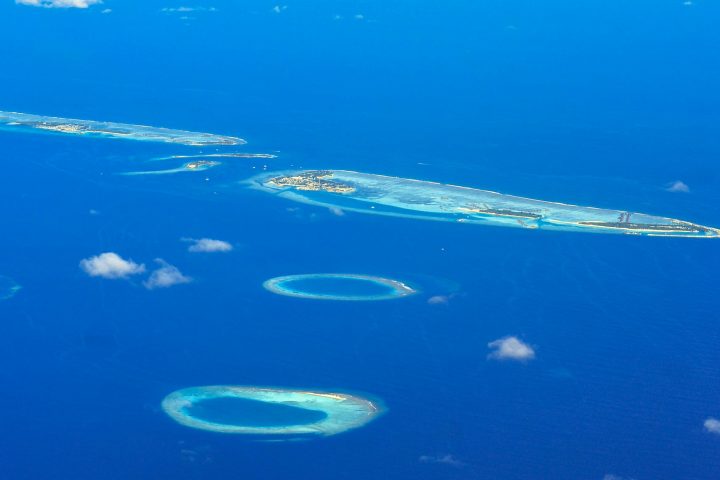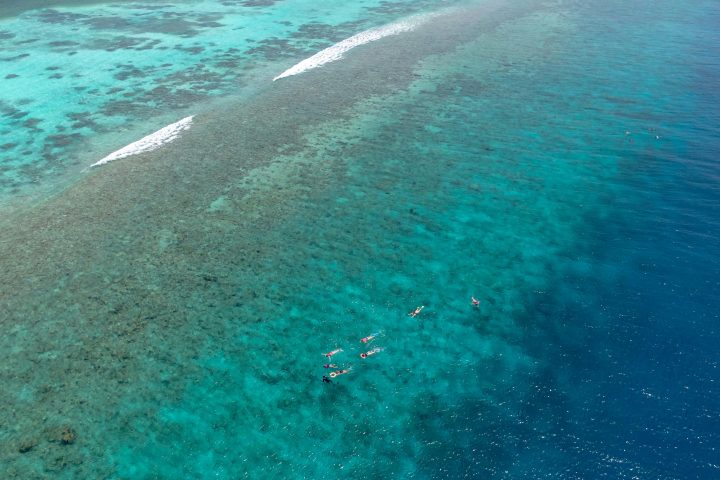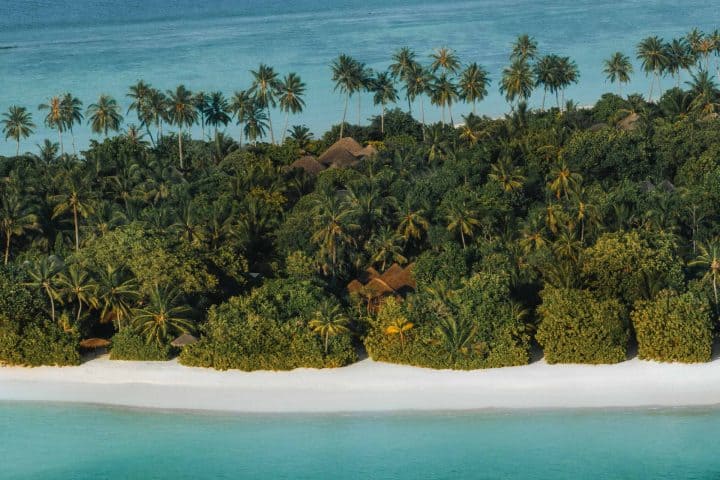
Lhaviyani Atoll is one of the Maldives’ most appealing choices for travelers who want a balance of beautiful lagoons, strong diving, and a calmer island feel. Also known as Faadhippolhu Atoll, it has around fifty islands, with four inhabited islands and Naifaru as the administrative hub. That already gives it a different feel from more resort-heavy atolls, because there is a clearer local-island side alongside the private-island stay experience.
This is an atoll that suits travelers who like the Maldives at a slightly slower pace. You still get the bright water, white sand, and overwater-villa setting people expect, but Lhaviyani also has a more relaxed identity built around reefs, marine life, and a mix of resorts and lived-in islands such as Naifaru, Hinnavaru, Kurendhoo, and Olhuvelifushi. A natural next read here is Lhaviyani Atoll Guide: Lagoons, Beaches and Island Atmosphere.
Quick Facts
Where it is
Lhaviyani Atoll, also known as Faadhippolhu Atoll, is an administrative atoll in the northern-central Maldives, with Naifaru serving as its administrative hub.
Best for
Lagoons, diving, snorkeling, laid-back resort stays, and travelers who want a Maldives trip with both resort beauty and a local-island side. This is a practical summary based on the atoll’s resort profile, reef reputation, and inhabited islands.
Why travelers choose it
Lhaviyani Atoll combines scenic island stays with a strong underwater reputation and a calmer feel than some of the Maldives’ more high-profile atolls.
What it is known for
It is known for bright lagoons, diving, The Shipyard wreck site, sea turtles, and a mix of resort islands and inhabited islands.
Marine highlights
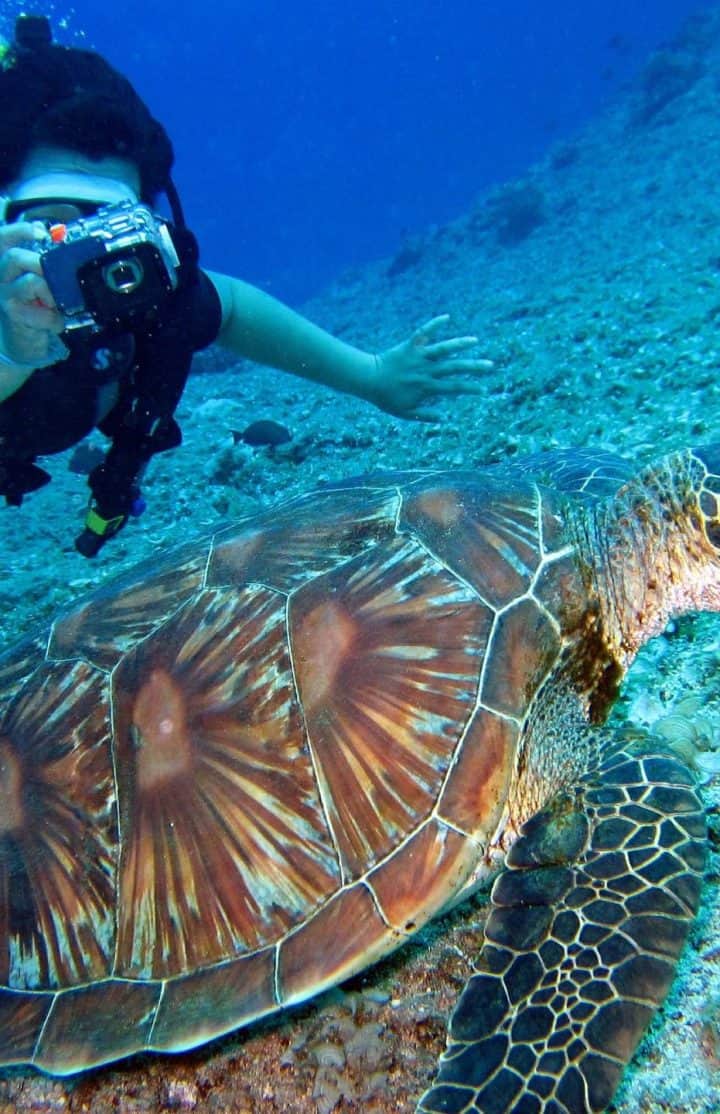
The Shipyard is one of the atoll’s best-known dive attractions, and Lhaviyani is also associated with manta encounters and turtle conservation work.
Local-island angle
Naifaru, Hinnavaru, Kurendhoo, and Olhuvelifushi give the atoll a more grounded local side than many visitors expect.
How you get there
Many stays use seaplane access from Velana, while Madivaru Airport has added another layer of connectivity for the atoll.
Best for first-time visitors
If you want a Maldives atoll that feels scenic, reef-rich, and relatively straightforward without being too close to the airport zone, Lhaviyani Atoll is a very strong choice. This is a travel recommendation based on the atoll’s access and overall style.
What Lhaviyani Atoll Feels Like
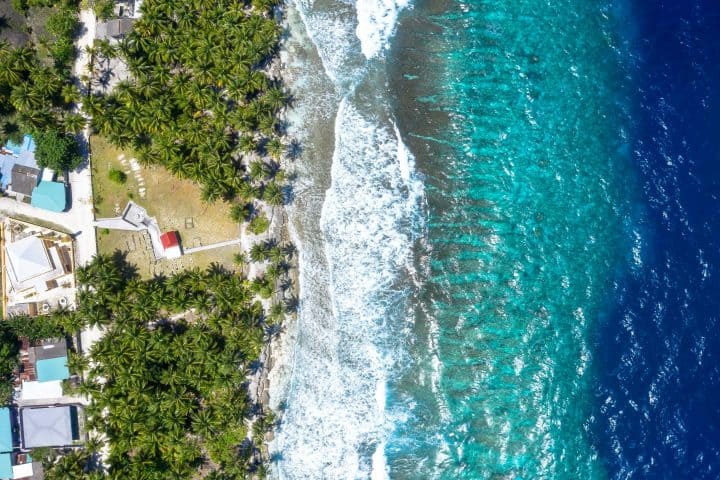
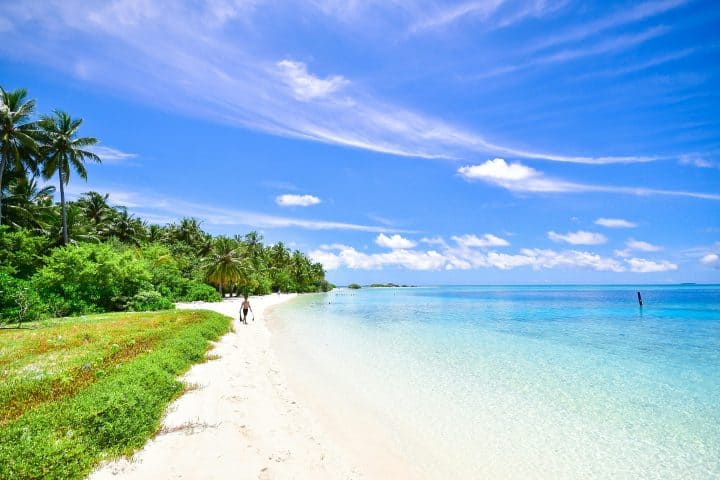
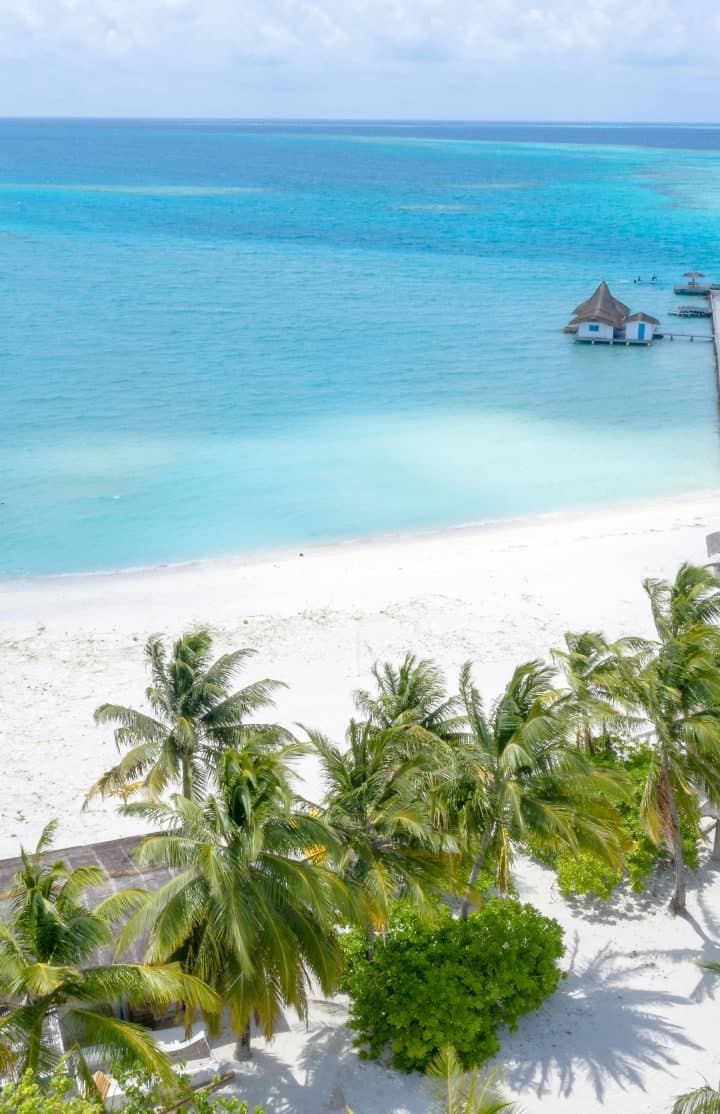
Lhaviyani Atoll feels polished without being overly busy. It is known for long lagoon views, clear reef water, and a quieter kind of resort atmosphere than some of the better-known atolls closer to Malé. Resorts in the atoll are often described through their beaches, house reefs, and seaplane arrivals, which helps give the area a more scenic, slow-start kind of appeal.
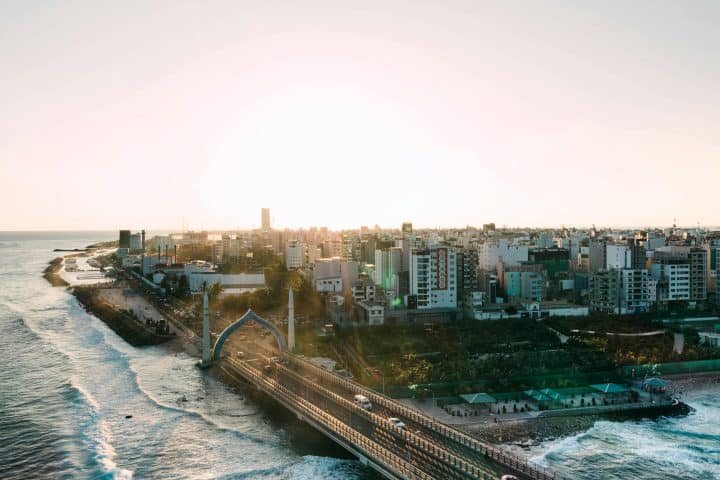
It also feels more rounded than a resort-only destination. The local islands add a more grounded layer to the atoll, and Naifaru in particular gives Lhaviyani a stronger connection to everyday island life than many visitors expect. That mix of easy beauty and local texture is one of the reasons the atoll works so well for travelers who want the Maldives to feel both beautiful and real. This is a travel-planning inference based on the atoll’s inhabited-island mix and resort profile.
Why Travelers Choose It
One reason travelers choose Lhaviyani Atoll is that it offers the classic Maldives look without feeling as heavily defined by one single headline attraction. Instead, it works as an all-round atoll: strong for beach time, strong for reef life, and easy to enjoy whether you are focused on diving, snorkeling, or simply island atmosphere. Older and newer destination material alike consistently position Lhaviyani as a place for scenic resort stays, diving, and marine encounters.
Another reason is that the atoll has a local-island and conservation side. Naifaru is not only the administrative centre, it is also linked to turtle rescue and rehabilitation through the Atoll Marine Centre, which gives the atoll an extra marine-life dimension beyond resort excursions alone.
Diving, Reefs and Marine Life
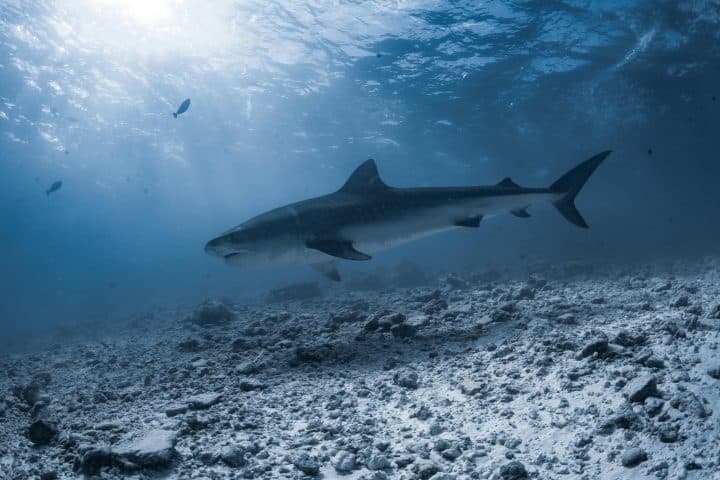
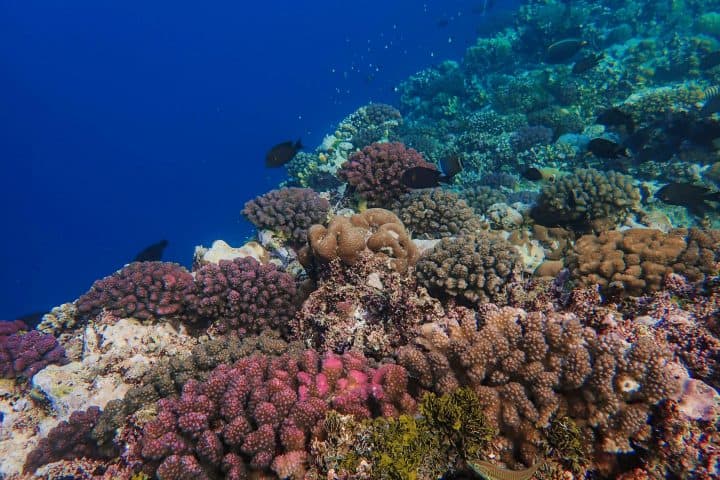
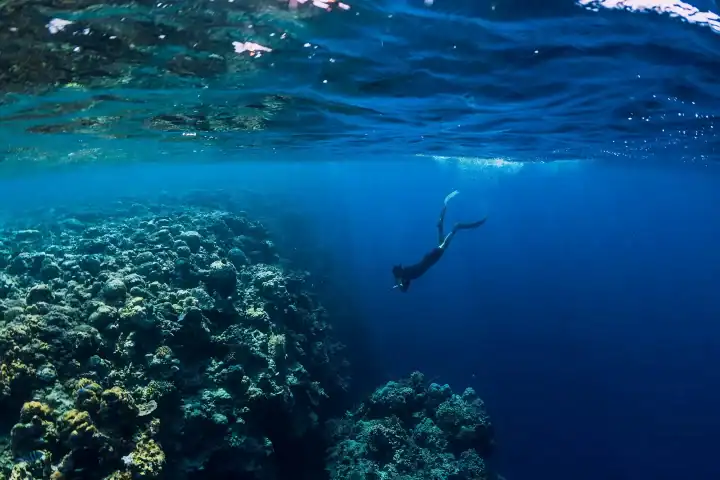
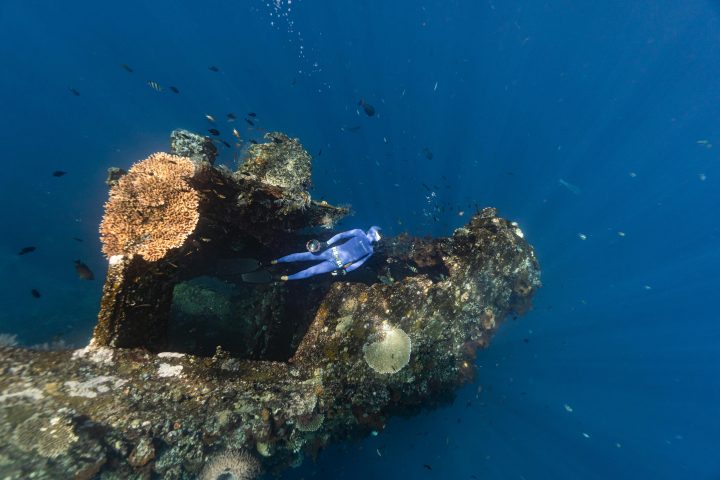
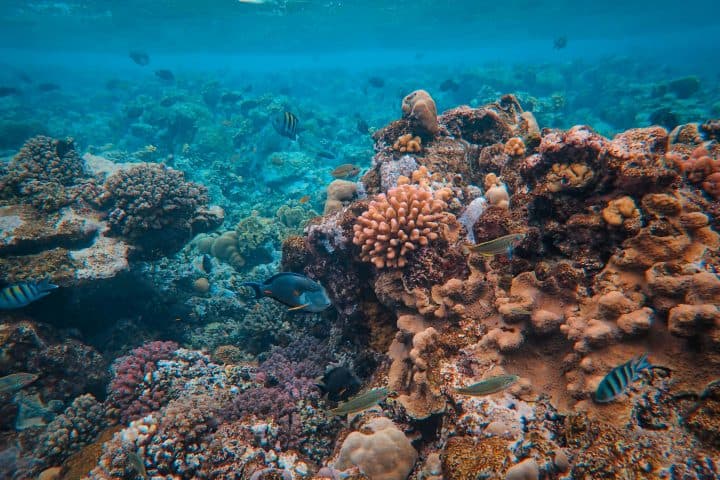
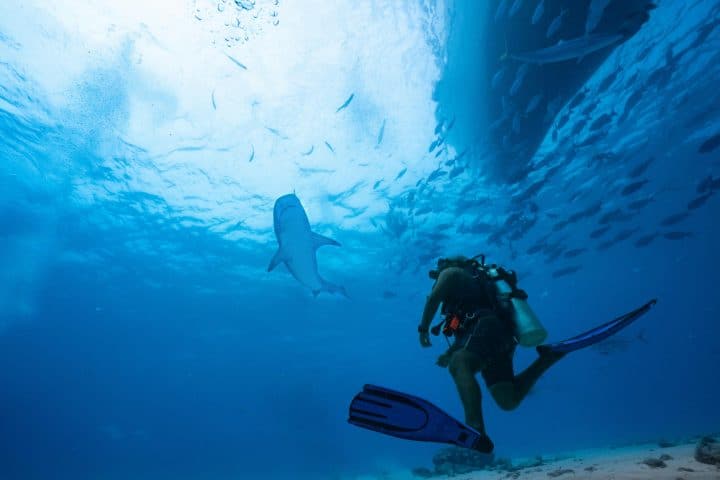
Lhaviyani Atoll has a strong underwater reputation. One of its best-known dive sites is The Shipyard, where two old wrecks sit in a channel covered in soft and hard corals. The site is associated with schools of reef fish, morays, Napoleon wrasse, nurse sharks, and grey reef sharks, which helps explain why Lhaviyani is so often mentioned by divers.
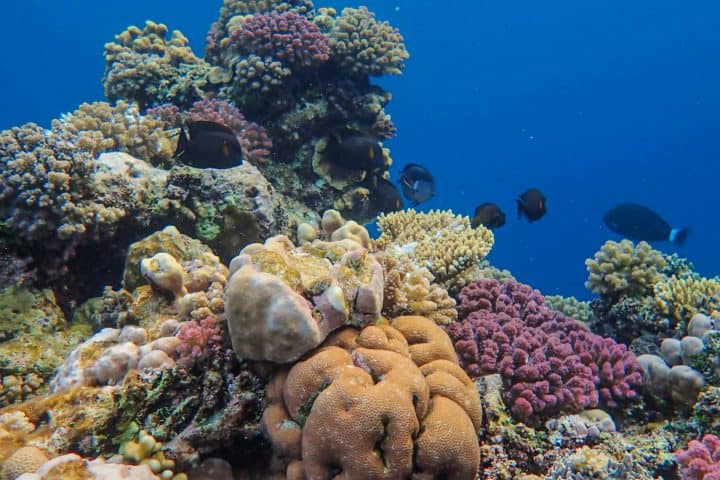
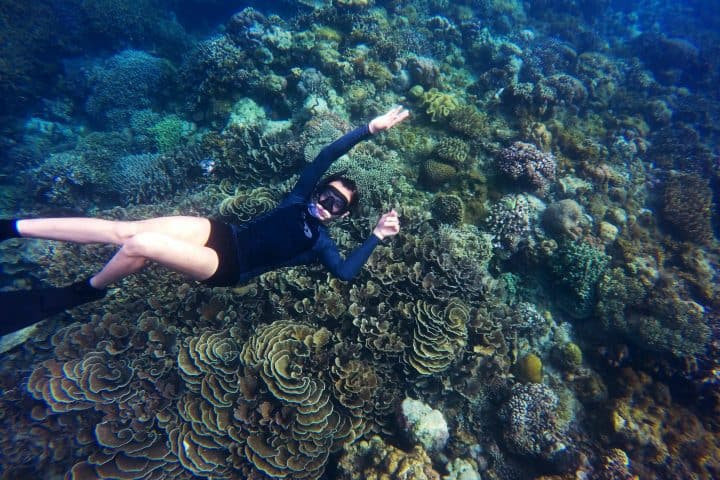
The atoll is also widely linked to broader reef appeal. Lhaviyani is known for having over 50 dive sites, and broader Maldives marine content highlights Lhaviyani as one of the atolls known for manta encounters. For travelers, that makes Lhaviyani a strong fit not only for divers, but also for snorkelers and marine-life-focused trips that do not need to revolve around one single species or season.
Local Islands and a More Grounded Side
Lhaviyani Atoll has a clearer local-island identity than many first-time visitors might expect. Government atoll records list Naifaru, Hinnavaru, Kurendhoo, and Olhuvelifushi as the inhabited islands, and Naifaru remains the main hub. That makes Lhaviyani useful for travelers who want more than a private-island stay, especially if they are interested in local-island life, community character, or a more flexible island itinerary.
Naifaru is especially notable for its connection to turtle conservation, while nearby local-island visits to places such as Naifaru, Hinnavaru, and Felivaru add another dimension to the experience. That gives the atoll a more layered feel than a simple fly-in luxury destination.
How You Get There
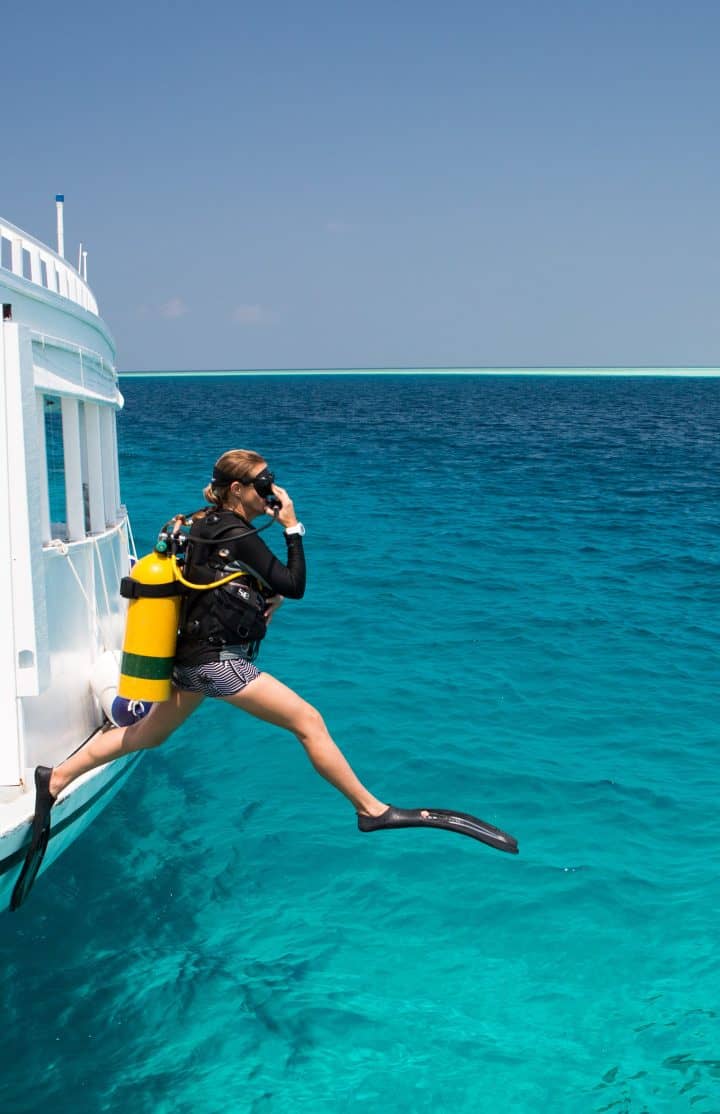
Lhaviyani Atoll is easier to reach than many travelers assume. Seaplane remains one of the most common arrival styles for the atoll, with several resorts described as around 35 to 40 minutes from Velana by seaplane. More recently, Madivaru Airport has also strengthened connectivity in the atoll, and the President’s Office said at its 2022 inauguration that it integrated every atoll north of Malé with an airport.
In practical terms, Lhaviyani sits in a useful middle ground. It feels more removed than the Malé atolls, but it is still relatively manageable to reach, which is one reason it works well for travelers who want something scenic and relaxed without going too far off the map. This is a travel-planning inference based on the atoll’s seaplane profile and airport connectivity.
Who Lhaviyani Atoll Suits Best
Lhaviyani Atoll suits travelers who want beautiful lagoons, strong diving, and a more laid-back Maldives feel. It is especially appealing for couples, divers, and repeat visitors who want a softer, calmer atoll without losing the classic resort beauty that draws people to the Maldives in the first place. This is a planning inference based on the atoll’s mix of beach-led resorts, dive reputation, and local-island presence.
It is also a good fit for travelers who like the idea of mixing style with substance. You can come here for beaches and villas, but there is also enough reef life, turtle connection, and local-island texture to make the trip feel richer than a simple resort-only escape.
FAQs
Is Lhaviyani Atoll good for diving?
Yes. Lhaviyani Atoll is strongly associated with diving, and The Shipyard is one of its standout sites thanks to its two wrecks, coral growth, and shark activity.
Is Lhaviyani Atoll good for snorkeling?
Yes. The atoll is widely linked to reef-rich islands, clear lagoon water, and marine encounters that work well for both divers and snorkelers.
Are there local islands in Lhaviyani Atoll?
Yes. The inhabited islands are Naifaru, Hinnavaru, Kurendhoo, and Olhuvelifushi.
What is Naifaru known for?
Naifaru is the administrative hub of Lhaviyani Atoll and is also linked to turtle rescue and rehabilitation through the Atoll Marine Centre.
Is Lhaviyani Atoll easy to reach?
It is relatively easy by Maldives standards. Many resorts use seaplane transfers from Velana, and the opening of Madivaru Airport improved connectivity in the atoll.
Who should choose Lhaviyani Atoll over another atoll?
It is a strong choice for travelers who want a quieter lagoon-and-reef feel, strong diving, and a more balanced mix of resorts and local-island texture. This is a planning inference based on the atoll’s access, marine profile, and island mix.
Explore Resorts in Lhaviyani Atoll
If you want to turn this guide into resort planning, continue with Top Maldives Resorts in Lhaviyani Atoll.
Found 12 properties on
Lhaviyani Atoll
Related Guides