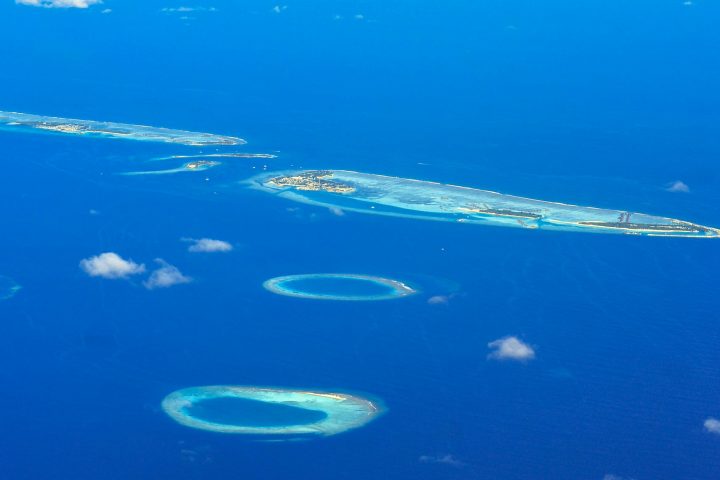
Baa Atoll is one of the most distinctive parts of the Maldives for travelers who want nature, marine life, and a stronger sense of place. Set in the central-western Maldives, it is best known for the Baa Atoll Biosphere Reserve, a protected area recognized by UNESCO in 2011, and for Hanifaru Bay, where some of the world’s most memorable manta ray gatherings take place.
This is an atoll that feels especially rewarding for travelers who care about the water as much as the villa. Baa combines reef-rich resort islands with local islands such as Dharavandhoo, Dhonfanu, Maalhos, and Eydhafushi, giving visitors a choice between polished private-island stays and more grounded local-island bases close to Hanifaru Bay. A natural next read here is Baa Atoll Travel Guide: Reefs, Nature and Island Experiences from your Blog list.
Quick Facts
Where it is
Baa Atoll sits in the central-western Maldives, just north of the Kaashidhoo channel, inside a part of the archipelago known for exceptional reef and lagoon systems.
Best for
Manta rays, snorkeling, reef-rich island stays, local-island marine trips, and travelers who want a nature-led Maldives experience.
Why travelers choose it
Baa Atoll combines beautiful island stays with one of the Maldives’ strongest marine identities, thanks to its biosphere-reserve status and Hanifaru Bay’s manta-ray reputation.
What it is known for
It is best known for the Baa Atoll Biosphere Reserve, Hanifaru Bay, manta rays, whale sharks, reefs, seagrass beds, and mangroves.
Marine highlights
Hanifaru Bay is the atoll’s standout marine attraction, with huge seasonal manta congregations and a strong wider reef ecosystem across the reserve.
Local-island angle
Dharavandhoo, Dhonfanu, Maalhos, and Eydhafushi are among the local-island names most closely linked to exploring the Hanifaru Bay region.
How you get there
Baa is commonly reached via daily domestic flights from Velana to Dharavandhoo Airport, with a flight time of about 20 minutes, and some stays also use seaplane or onward boat transfers.
Best for first-time visitors
If you want the Maldives to feel rich in marine life and scenery without choosing a totally remote atoll, Baa Atoll is one of the most memorable places to start.
What Baa Atoll Feels Like
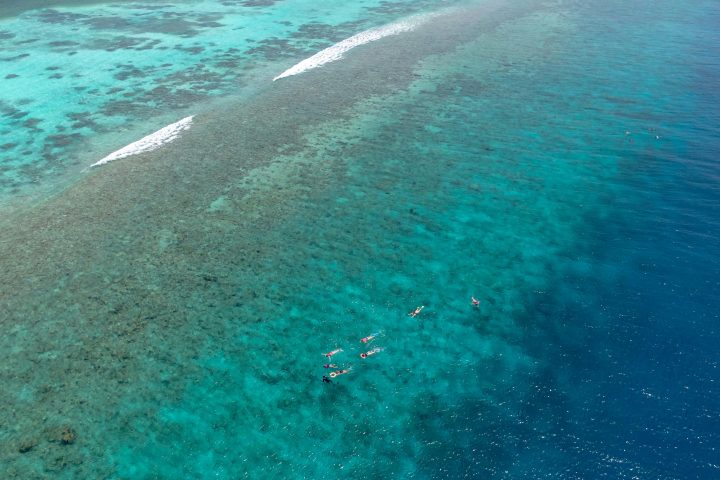
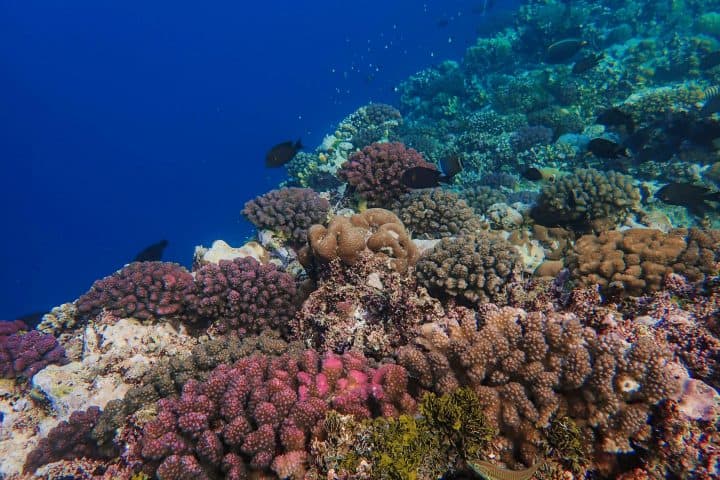
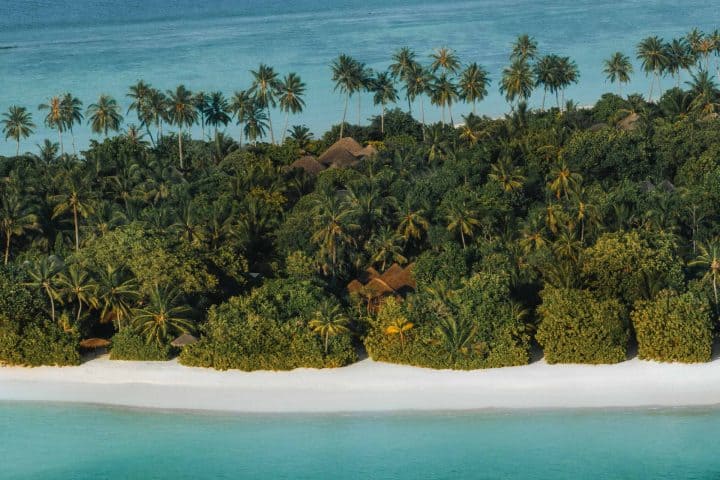
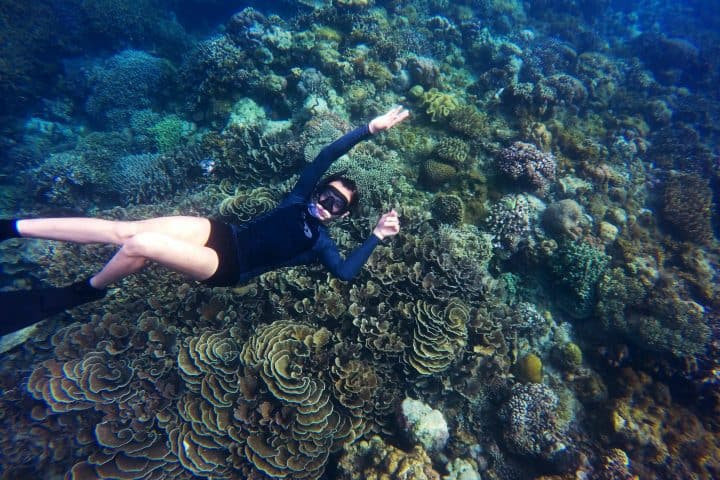
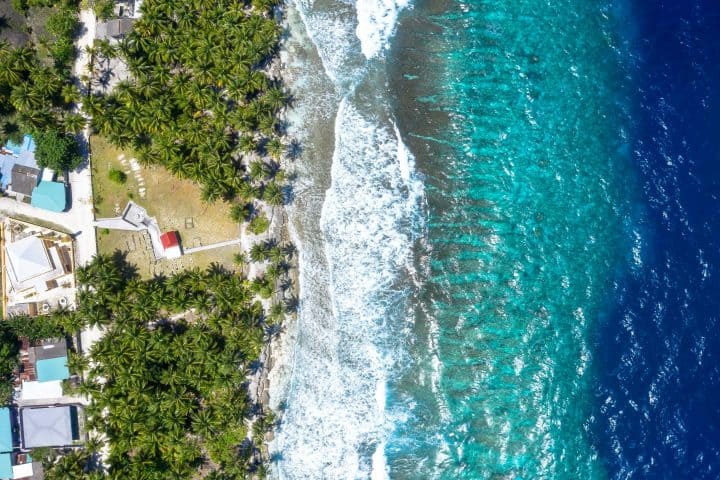
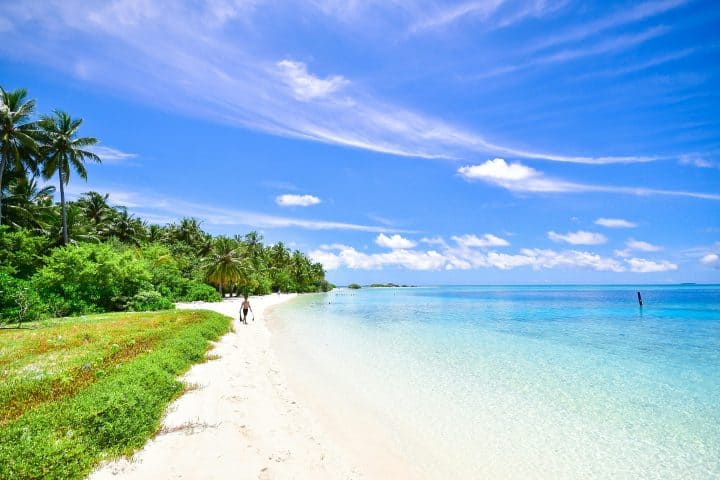
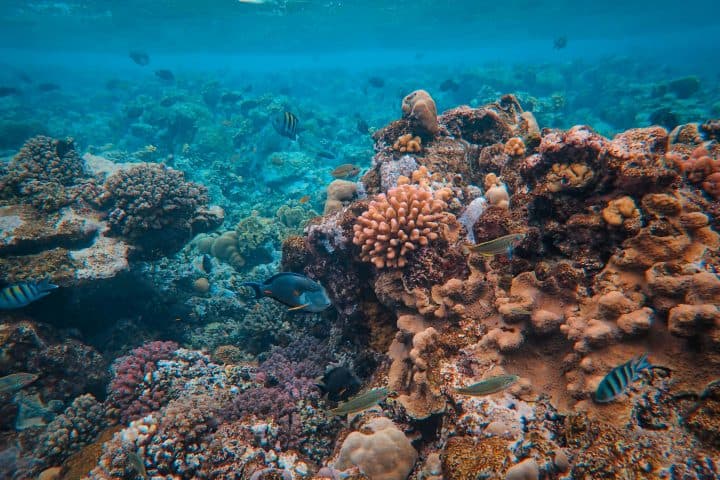
Baa Atoll feels more nature-led than many other parts of the Maldives. The scenery is still unmistakably Maldivian, with turquoise lagoons, bright sand, and resort islands, but the atoll’s identity is shaped just as much by reefs, seagrass beds, mangroves, and marine encounters as it is by luxury stays. UNESCO describes Baa as a biosphere reserve with major coral reef systems, rich marine biodiversity, and a landscape that is overwhelmingly ocean.
That gives Baa a slightly different mood from atolls chosen mainly for airport convenience or surf culture. It suits travelers who want the Maldives to feel immersive, reef-rich, and wildlife-focused, while still offering a broad range of places to stay.
Why Travelers Choose It
One of the biggest reasons travelers choose Baa Atoll is that it offers a rare combination of beauty and ecological importance. UNESCO notes that the reserve includes 75 islands, 13 inhabited islands, and one of the largest coral reef groupings in the Indian Ocean, with habitats that include reefs, islands, seagrass beds, and mangroves.
Travelers also choose Baa because it works in more than one style. Some come for luxury resorts in a biosphere-reserve setting, while others use local islands as bases for snorkeling and marine excursions. That mix gives Baa broad appeal for couples, nature lovers, snorkelers, and travelers who want a Maldives trip with a little more depth and environmental character.
Hanifaru Bay and the Marine Life Factor
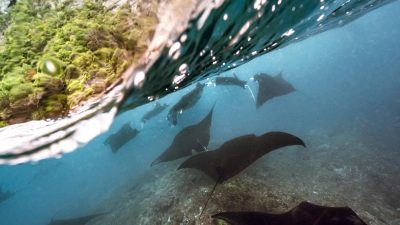
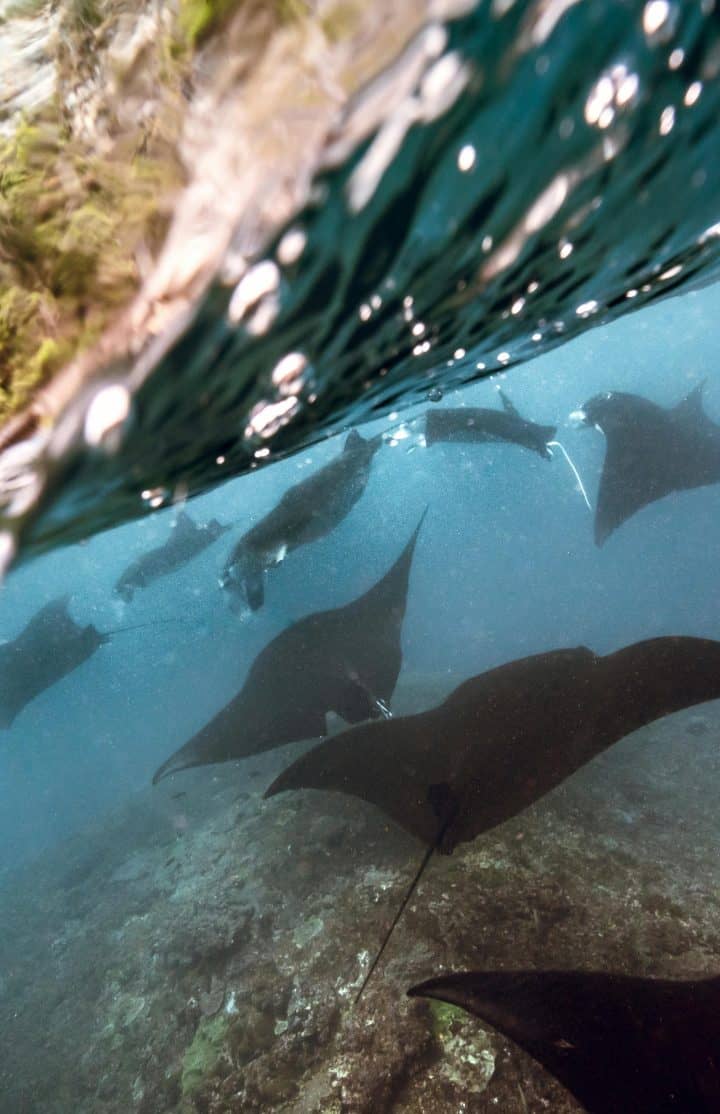
Hanifaru Bay is the best-known natural draw in Baa Atoll. It is widely regarded as the highlight of the atoll’s biodiversity and is famous for some of the argest gatherings of manta rays anywhere in the world, with up to a hundred manta rays visible in a single congregation when plankton-rich tides push food into the bay.
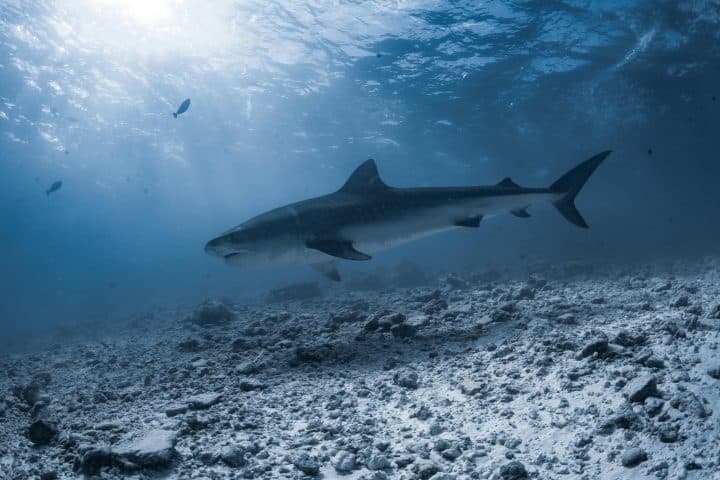
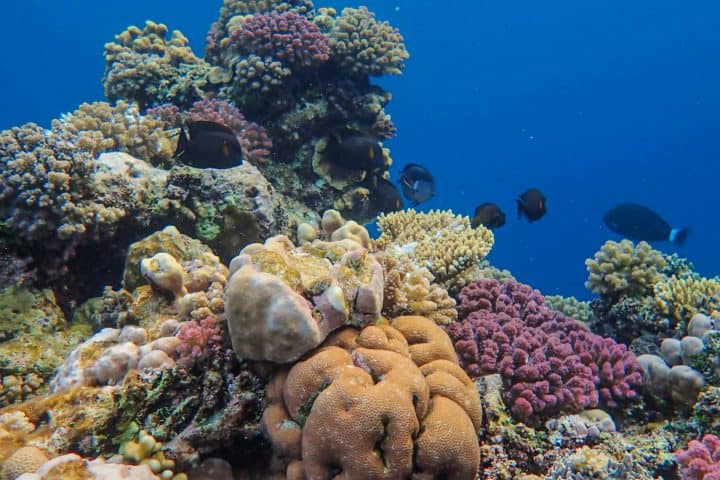
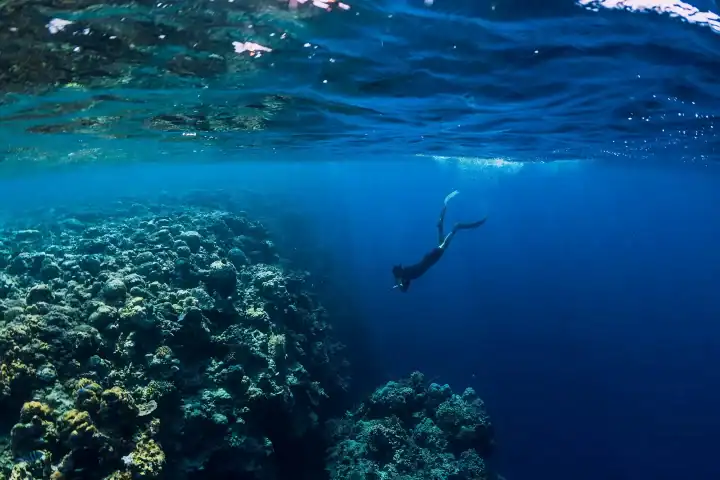
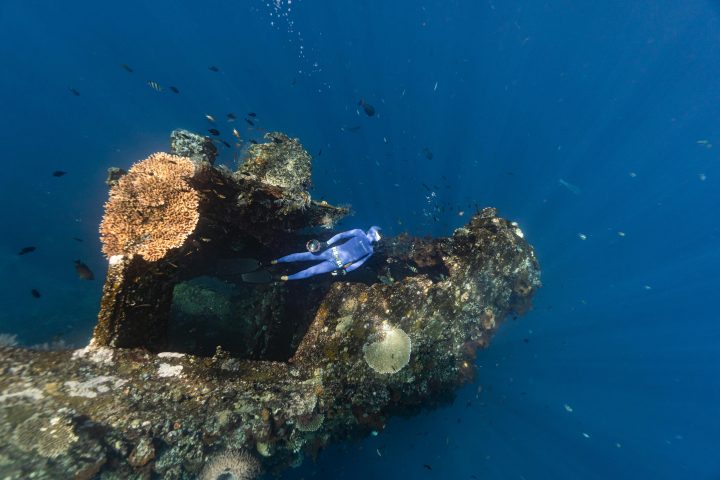
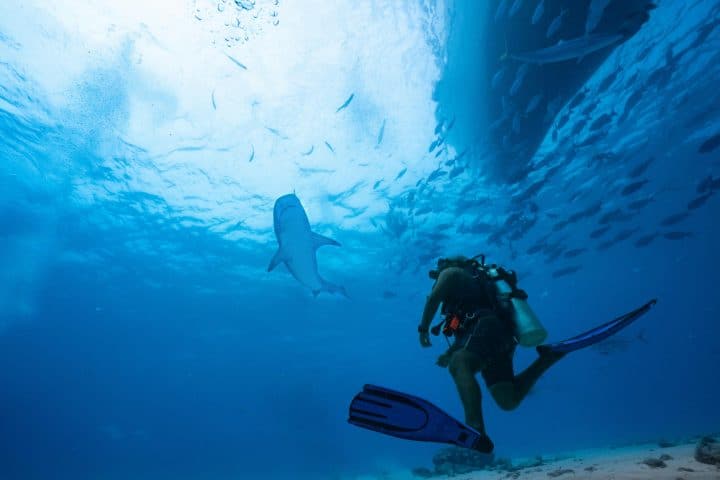
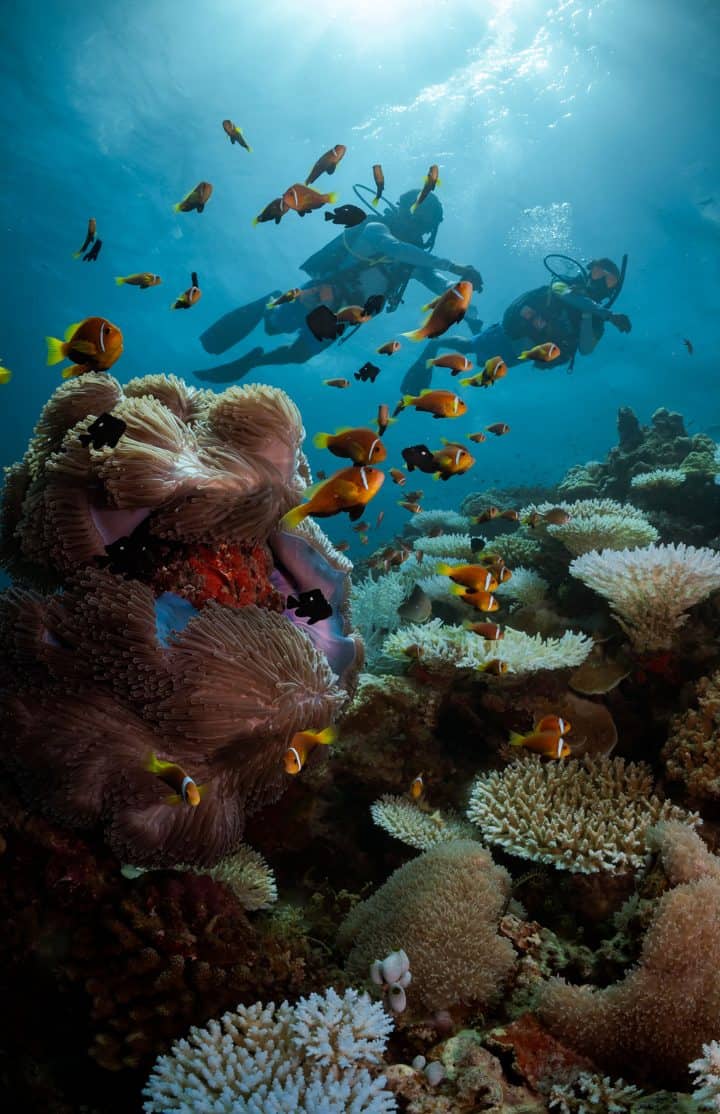
The wider biosphere reserve is also exceptionally rich underwater. UNESCO notes around 250 coral species and 1,200 reef and reef-associated fish species, along with turtles, manta rays, whale sharks, and other protected or threatened species. For travelers, that makes Baa one of the strongest atolls in the Maldives for a trip built around snorkeling, marine life, and nature-led experiences.
Local Islands and a More Grounded Side of Baa
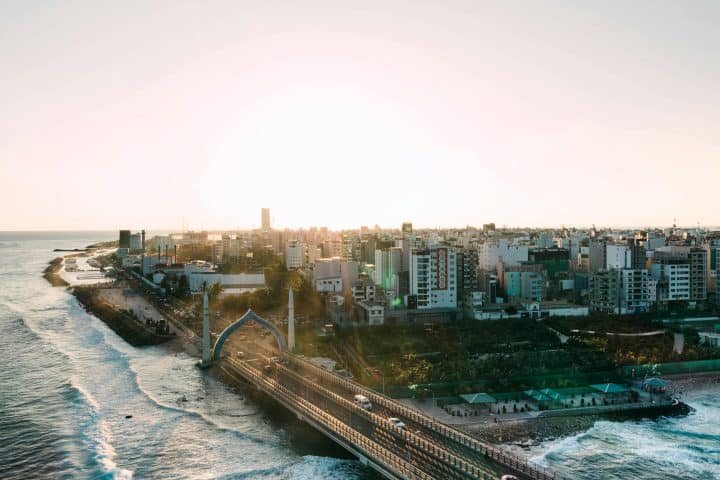
Baa Atoll is not only about private-island resorts. Local islands such as Dharavandhoo, Dhonfanu, Maalhos, and Eydhafushi can also serve as useful launch points for exploring the Hanifaru Bay region during the May to November season, when plankton blooms attract manta rays and whale sharks. That makes Baa especially appealing for travellers who want a more flexible style of stay without losing access to one of the Maldives’ most famous marine areas.
This local-island side gives Baa a more layered travel feel. You can stay in a resort and focus on comfort and excursions, or choose a local island and build the trip around marine experiences, island atmosphere, and a more grounded sense of the Maldives beyond a single private island.
How You Get There
Baa Atoll is easier to reach than many travelers expect. There are several daily flights from Velana International Airport to Dharavandhoo Airport, and that the flight time is around 20 minutes. That makes Baa much more practical than some first-time visitors assume, especially if they want a wildlife-led trip without an overly complicated arrival.
Depending on the island or resort, travelers may also arrive by seaplane or continue by short boat transfer after the domestic flight. In practical terms, Baa feels like a strong middle ground: scenic and special, but still relatively manageable in logistics compared with some of the more distant atolls.
Who Baa Atoll Suits Best
Baa Atoll is especially well suited to snorkelers, nature lovers, manta-ray seekers, and travelers who want the Maldives to feel more connected to reef life and conservation. It is also a strong choice for visitors who like the idea of mixing a beautiful island stay with a clearer sense of why the Maldives matters environmentally, not just visually.
Travelers mainly looking for the absolute shortest transfer may still prefer the Malé atolls. But for visitors who want the Maldives at its most nature-rich and marine-focused, Baa Atoll is one of the most rewarding places to choose.
FAQs
Why is Baa Atoll so famous?
Baa Atoll is famous because it includes the UNESCO-recognized Baa Atoll Biosphere Reserve and Hanifaru Bay, one of the Maldives’ best-known places for manta-ray gatherings.
Is Baa Atoll good for snorkeling?
Yes. Baa is one of the Maldives’ strongest atolls for snorkeling and marine-life trips because of its reefs, biodiversity, and access to sites around Hanifaru Bay.
When is the best time to visit Baa Atoll for manta rays?
The Hanifaru Bay region is especially well known from May to November, when plankton blooms attract manta rays and whale sharks.
Are there local islands in Baa Atoll?
Yes. Local islands such as Dharavandhoo, Dhonfanu, Maalhos, and Eydhafushi can work well as bases near the Hanifaru Bay region.
Is Baa Atoll only for luxury travelers?
No. While Baa has well-known luxury resorts, it also has local-island bases that work well for travelers who want a more flexible and grounded island stay.
Is Baa Atoll easy to reach?
Yes. It is commonly reached by daily domestic flights from Velana to Dharavandhoo Airport in around 20 minutes, with further boat or resort transfer depending on where you stay.
Explore Baa Through a Manta-Focused Stay
If you want to turn this guide into resort planning, continue with Top Maldives Resorts for Manta Rays from your Interest list.
Found 42 properties on
Baa Atoll
Related Guides