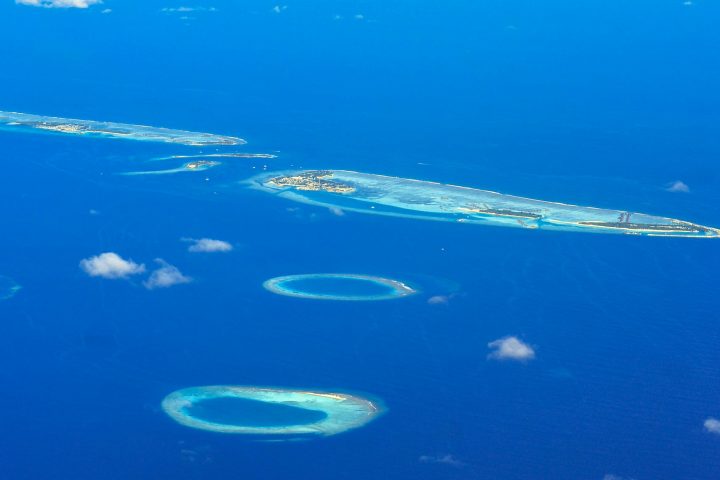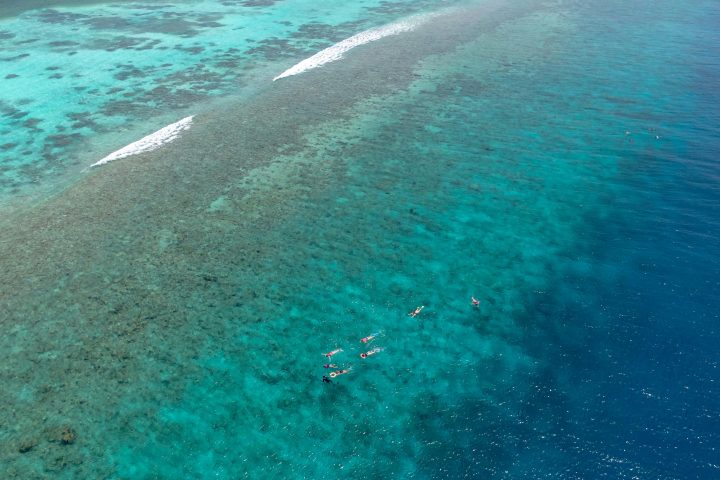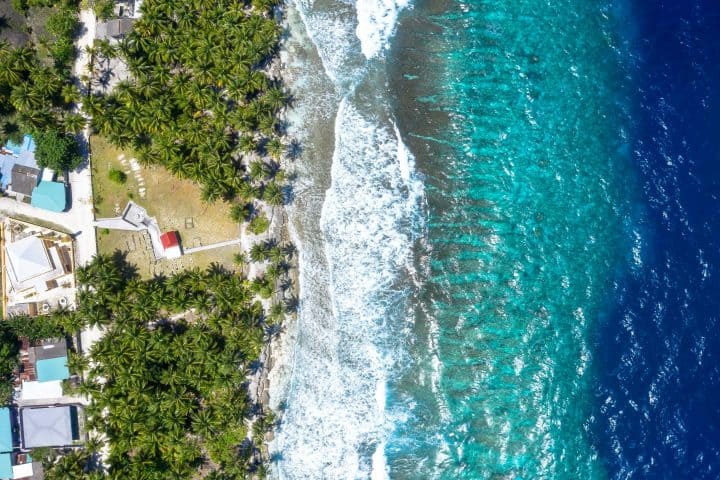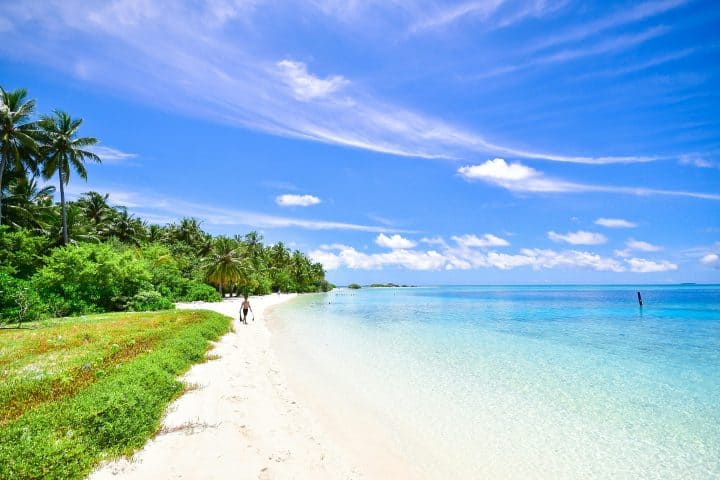
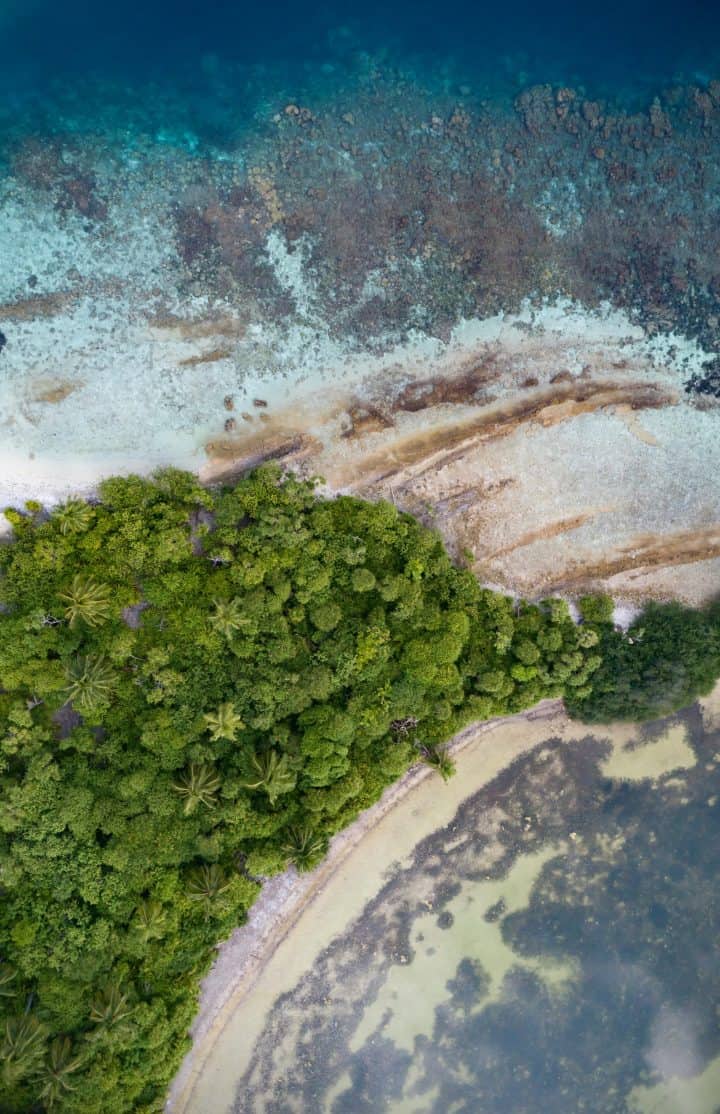
Shaviyani Atoll is one of the Maldives’ quieter northern atolls, and that lower profile is a big part of its appeal. Also known as Miladhunmadulu Uthuruburi, it sits in the north of the country and has a strong local-island side built around inhabited islands such as Funadhoo, Milandhoo, Komandoo, Maroshi, Narudhoo, and Noomaraa. For travelers who want the Maldives to feel less obvious, less crowded, and a little farther from the usual route, Shaviyani can be a very appealing choice.
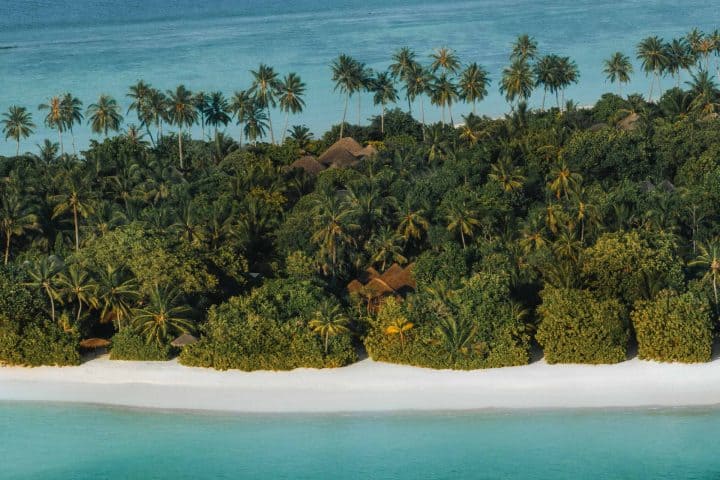
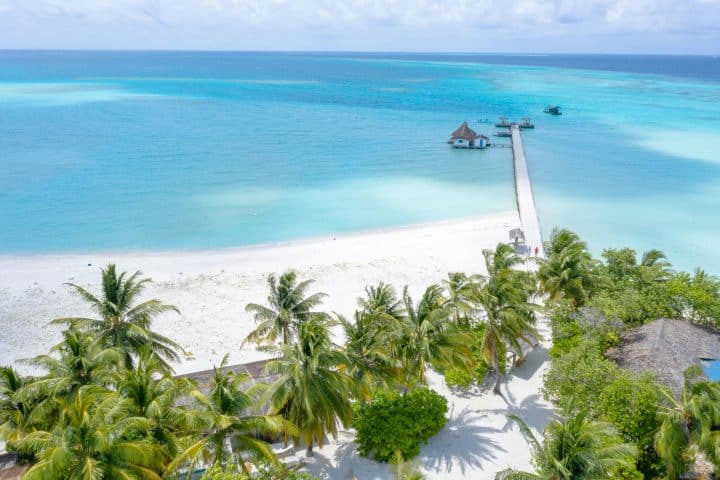
The atoll also has a useful mix of styles. On one side, there are remote-luxury stays such as JW Marriott Maldives Resort & Spa on Vagaru and Sirru Fen Fushi, both associated with broad lagoons, house-reef activity, and a more secluded northern setting. On the other, local islands and northern transport links give the atoll a more grounded feel than many first-time visitors expect. A natural next read here is Staying Near Malé vs Going Remote in the Maldives.
Quick Facts
Where it is
Shaviyani Atoll, also known as Miladhunmadulu Uthuruburi, is a northern Maldives atoll with a strong local-island character and a quieter, more remote feel than the airport-near atolls.
Best for
Quiet reef-led stays, diving, snorkeling, northern seclusion, and travelers who want the Maldives to feel less obvious and more exploratory. This is a practical summary based on the atoll’s reef profile, lighter tourism footprint, and northern location.
Why travelers choose it
Shaviyani Atoll gives travelers a more remote-feeling Maldives escape with healthy reefs, calmer northern island atmosphere, and a stronger local-island backbone. This is a travel-planning summary based on the inhabited-island network, Funadhoo access, and dive profile.
What it is known for
It is known for quiet northern scenery, remote-luxury stays, healthy reefs, and a more understated style of Maldives travel.
Local-island angle
Funadhoo, Milandhoo, Komandoo, Maroshi, Narudhoo, and Noomaraa are among the inhabited islands that give Shaviyani a more grounded identity beyond the resort side.
Underwater angle
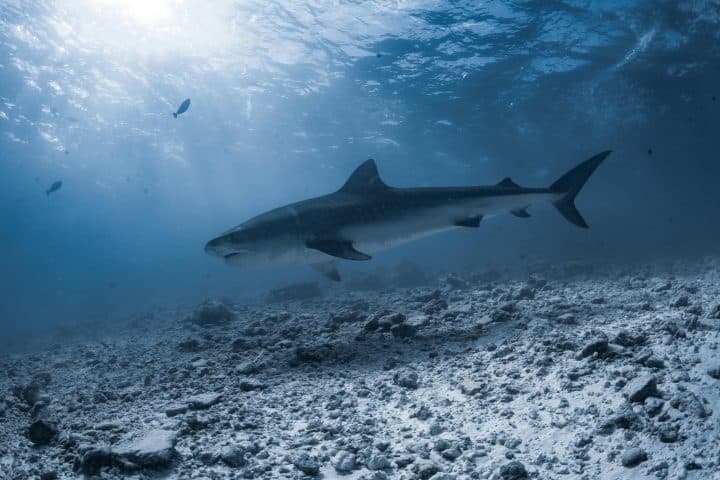
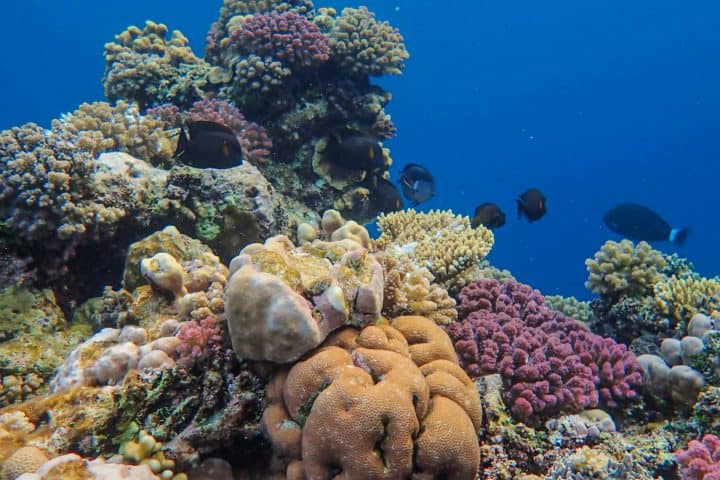
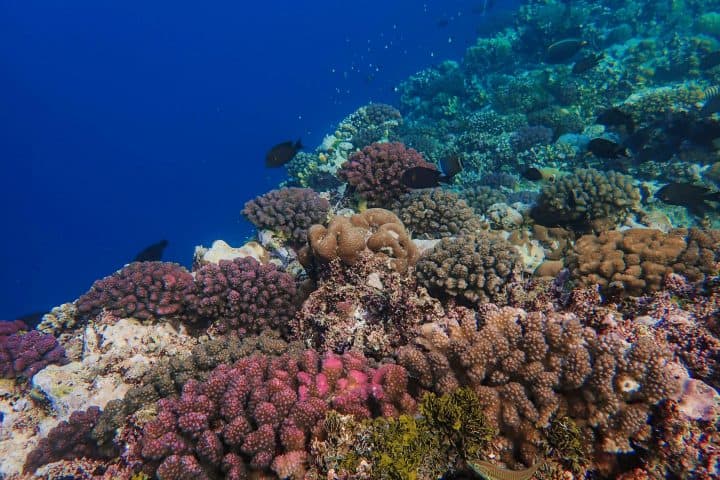
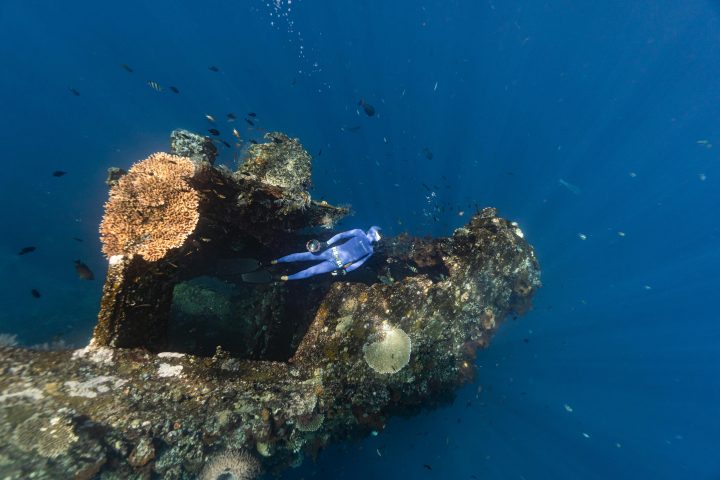
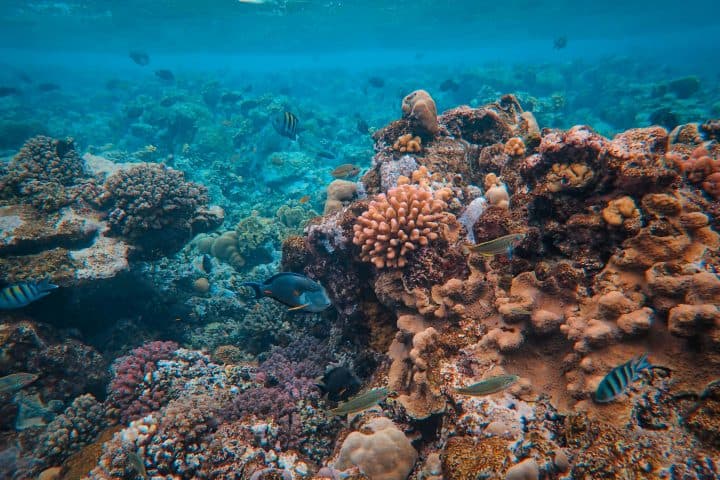
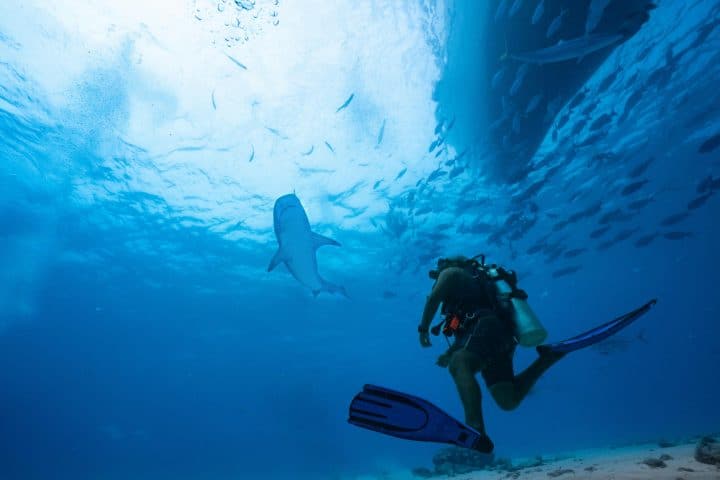
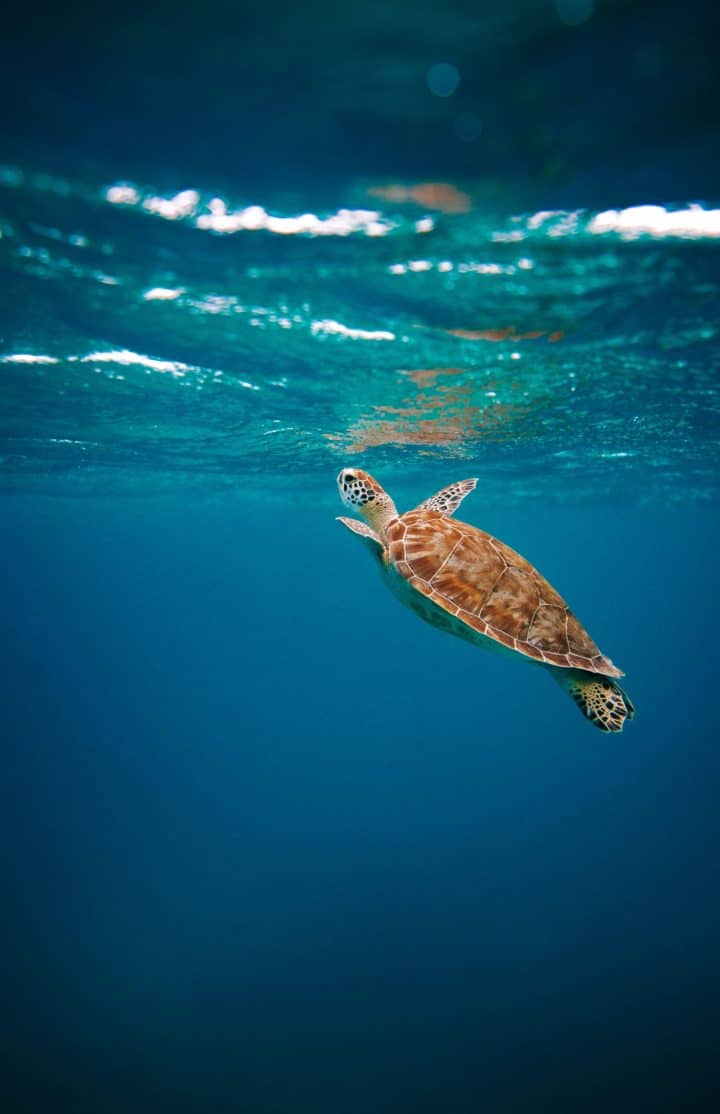
Diving coverage highlights pristine reefs, drop-offs, channels, and marine life including manta rays, reef sharks, eagle rays, and turtles.
How you get there
Shaviyani Atoll is commonly reached through Funadhoo Airport, while some resorts also use seaplane transfers depending on island location.
Best for first-time visitors
If you want your Maldives trip to feel quieter and more remote without becoming impossibly hard to reach, Shaviyani is one of the more interesting northern options. This is a travel recommendation based on the atoll’s access and overall style.
What Shaviyani Feels Like
Shaviyani Atoll feels more off-the-main-route than the better-known atolls closer to Malé. Its appeal is less about instant airport convenience and more about open water, quieter reefs, fewer crowds, and the sense that you are seeing a less familiar side of the Maldives. That character is reinforced by diving coverage that describes the atoll as a hidden gem with healthy reefs, channels, and abundant marine life away from busier dive areas.
That does not mean it feels empty or underdeveloped in a negative way. Instead, it feels like a northern atoll where scenery, reef access, and island atmosphere matter more than name recognition. This is a travel-planning inference based on the atoll’s northern position, lighter resort footprint, and dive profile.
Why Travelers Choose It
One reason travelers choose Shaviyani Atoll is that it offers a more remote version of the Maldives without being unreachable. Funadhoo Airport has made the atoll more practical for both local travel and tourism, and Maldivian describes Funadhoo as one of the larger inhabited islands in the north, known for calm waters and coves. That helps make Shaviyani easier to work into a trip than many travelers assume when they first look at the northern atolls on a map.
Another reason is that Shaviyani Atoll still feels quite balanced between resort escape and local-island reality. The inhabited-island list gives the atoll a stronger local backbone than a purely resort-led destination, while its resort side leans toward spacious lagoons, private-island luxury, and a more secluded atmosphere. This is a planning inference based on the atoll’s inhabited-island structure and current stay profile.
Reefs, Diving and Marine Life
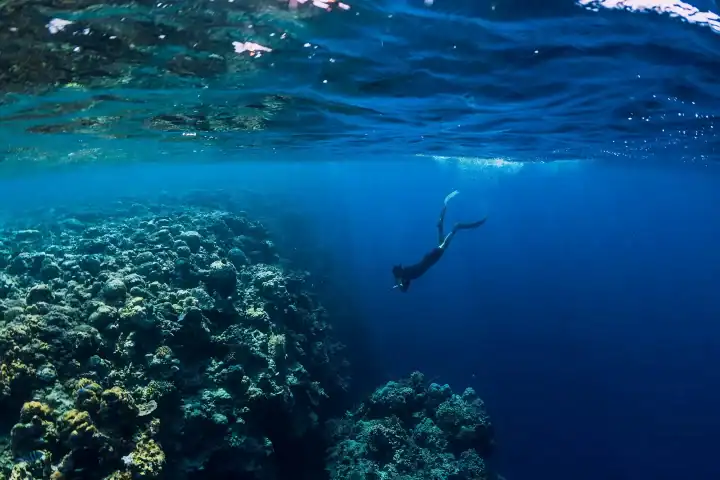
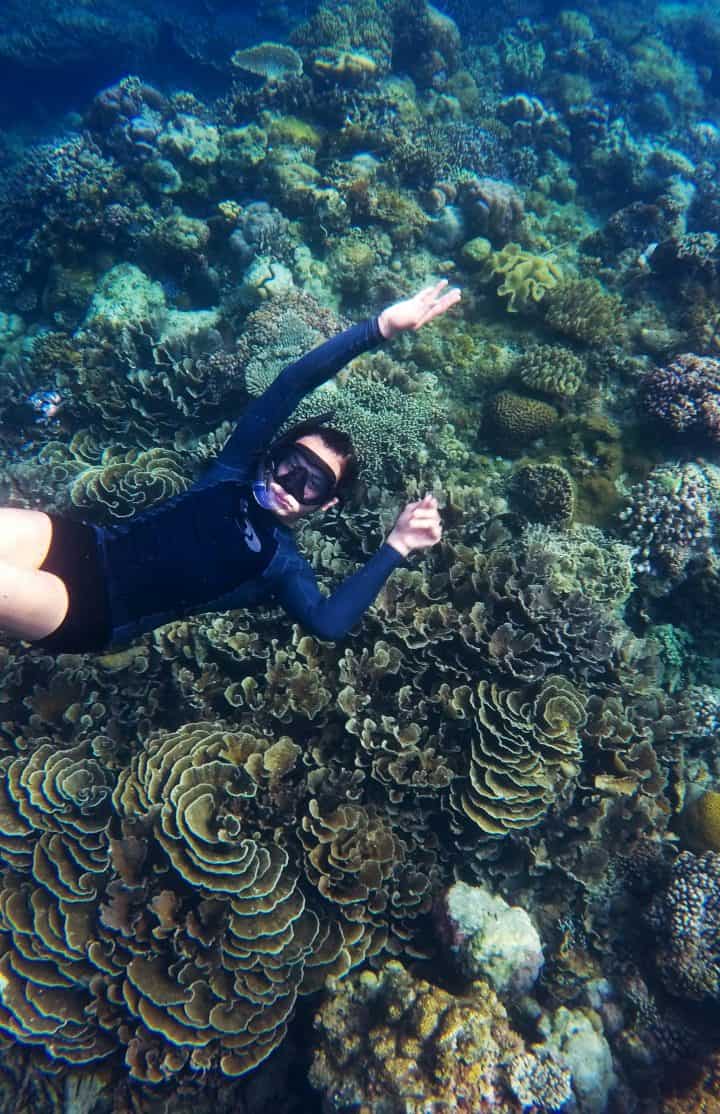
Shaviyani Atoll has a strong underwater identity. PADI describes the atoll as a hidden gem for divers, with pristine reefs, dramatic drop-offs, and channels where manta rays, reef sharks, eagle rays, and turtles are often seen. It also notes that the reefs remain healthy and vibrant partly because there are fewer dive operators in the area than in more heavily trafficked parts of the Maldives.
That makes Shaviyani Atoll especially appealing for travelers who want the ocean to be central to the trip. It may not be the first atoll casual visitors name, but for divers and snorkelers, its lower profile can be part of the attraction. The atoll feels more like a rewarding northern discovery than a mainstream stop. This is a travel-planning inference based on the atoll’s dive conditions, reef quality, and quieter positioning.
Local Islands and a More Grounded Side
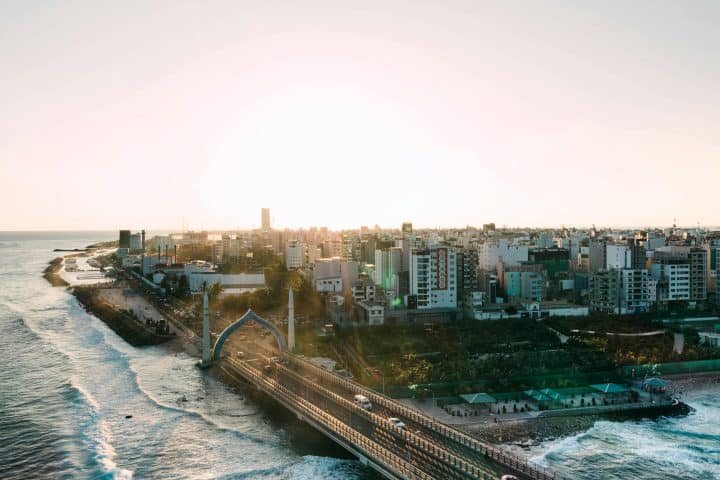
The local-island side of Shaviyani is one of its strengths. The atoll includes inhabited islands such as Funadhoo, Milandhoo, Komandoo, Maroshi, Narudhoo, Noomaraa, Lhaimagu, Kanditheemu, and others, which gives the region a more lived-in identity than travelers might expect from a northern luxury map alone.
Funadhoo in particular stands out because it is both a gateway island and one of the atoll’s larger inhabited islands. That combination gives Shaviyani a more grounded feel than a destination built only around resort arrivals. For travelers who like the idea of a Maldives trip with more local texture in the background, that is part of what makes the atoll interesting. This is an inference based on Funadhoo’s role and the atoll’s inhabited-island network.
How You Get There
Shaviyani Atoll is more reachable than many travelers assume. Funadhoo Airport opened to support both local demand and tourism travel to the region, and it now acts as the clearest air gateway into the atoll. Depending on where you stay, the onward journey may continue by boat from Funadhoo.
Some stays in Shaviyani also use seaplane arrivals. Vagaru, for example, is around 55 minutes by seaplane from Velana. In practical terms, that puts Shaviyani in an appealing middle ground: remote enough to feel special, but not so difficult to reach that the journey dominates the whole trip.
Who Shaviyani Suits Best
Shaviyani Atoll suits travelers who want a quieter northern-Maldives escape, especially divers, snorkelers, couples seeking more seclusion, and repeat visitors who want to see another side of the country. It is also appealing for travelers who like the idea of the Maldives feeling a little more spacious and less expected than the best-known atolls. This is a planning inference based on its northern location, reef profile, and smaller-scale tourism character.
Travelers whose top priority is the shortest possible transfer may still prefer the Malé atolls. But for those who want remote beauty, healthy reefs, and a stronger sense of northern island atmosphere, Shaviyani is a very distinctive option. This is also a planning inference based on its transport pattern and distance from the capital area.
FAQs
Is Shaviyani easy to reach?
It is easier than many travelers expect because Funadhoo Airport provides a direct northern gateway, though the atoll still feels more remote than the Malé-area atolls.
Is Shaviyani good for diving?
Yes. Shaviyani Atoll is described as a hidden-gem dive area with healthy reefs, channels, and frequent sightings of rays, sharks, and turtles.
Are there local islands in Shaviyani?
Yes. The atoll has a strong inhabited-island network, including Funadhoo, Milandhoo, Komandoo, Maroshi, Narudhoo, and Noomaraa.
Is Shaviyani mainly for resort travelers?
No. While it does have high-end resort stays, the atoll also has a real local-island structure that gives it a more grounded feel. This is an inference based on its inhabited-island network and lighter resort profile.
What kind of traveler should choose Shaviyani?
It is a strong choice for divers, snorkelers, couples seeking quieter luxury, and repeat visitors who want to go farther north for a more distinctive trip. This is a travel-planning inference based on the atoll’s reef profile, remote feel, and access style.
Is Shaviyani better for short stays or longer escapes?
It can work for either, but it is often more rewarding for travelers who are happy to trade a longer arrival for a more remote atmosphere. This is a planning inference based on the atoll’s northern location and transfer pattern.
Explore Resorts in Shaviyani Atoll
If you want to turn this guide into stay planning, continue with Top Maldives Resorts in Shaviyani Atoll.
Found 3 properties on
Shaviyani Atoll
Related Guides