
Maldives on a Budget: Is It Possible? Yes, it is — but usually not in the same way as a classic private-island resort holiday. The Maldives offers a wide range of accommodation styles, from guesthouses and hotels to resorts and liveaboards, and budget travel is most realistic on local islands rather than at private resorts.
The biggest difference is where you stay and how you move around. A lower-cost Maldives trip usually means choosing a local-island guesthouse instead of a private resort, paying close attention to transfer type, and being realistic about taxes, Green Tax, and excursion costs. Tourists can receive a visa on arrival, and the Traveller Declaration must be submitted within 96 hours before arrival, with no fee for the form.
Budget quick guide
Best for lower accommodation costs
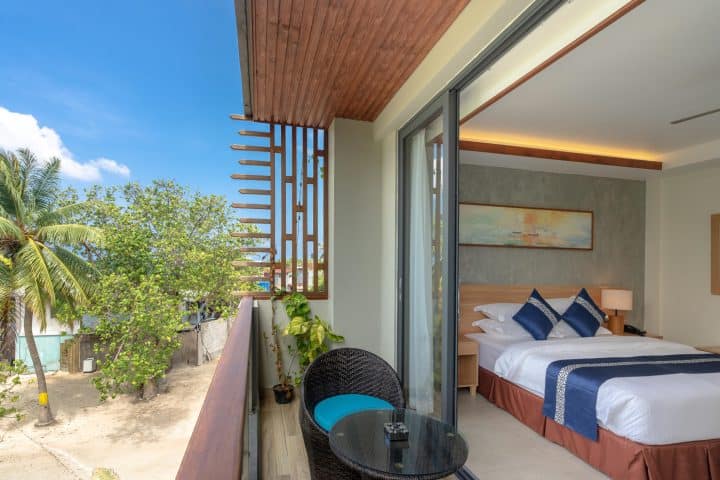
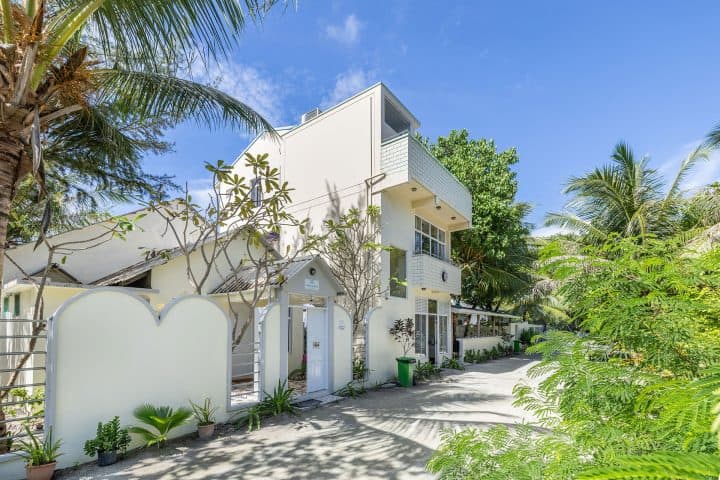
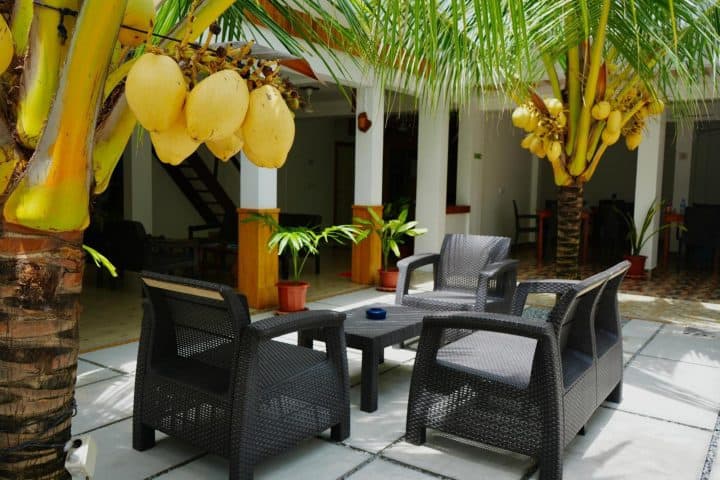
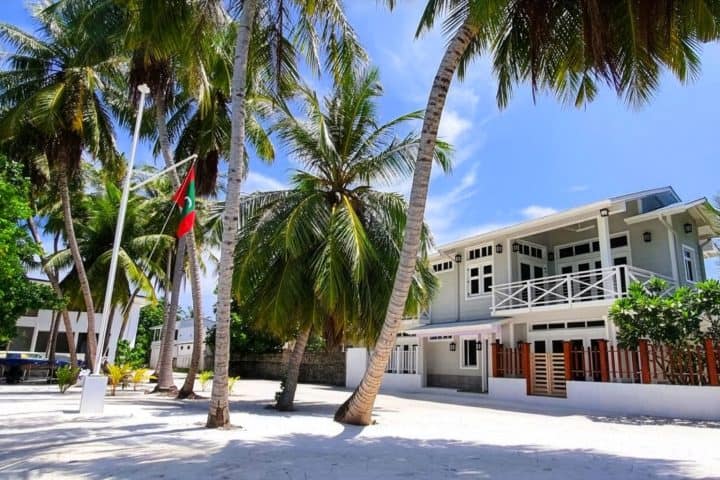
Choose a local-island guesthouse rather than a resort. Guesthouses range from budget to boutique and let travellers enjoy local island life, culture, and many of the same excursion types, including snorkelling and diving.
Best for cheaper transport
Stay on islands reached by speedboat or public ferry rather than a seaplane. Many local-island speedboats leave from Malé, and ferry schedules can be checked through MTCC where available.
Best for keeping daily costs down
Book a stay where meals and transfers are clearly priced before arrival. Guesthouses can arrange transport and activities, which makes it easier to understand costs in advance.
Best for a realistic budget mindset
A budget Maldives trip is usually about value, not ultra-cheap travel. Tourist bills may include 16% TGST, while Green Tax applies separately depending on the accommodation type.
The easiest way to save money is to change the stay style
The single biggest budget decision is whether you stay at a private resort or on a local island. The Maldives offers guesthouses and local-island stays alongside resorts, and its guesthouse content highlights culture, local life, and watersports or excursion access as part of the appeal. That usually means you give up some privacy and resort-style polish, but you gain lower accommodation costs and a more local experience.
Transfers can change the budget quickly
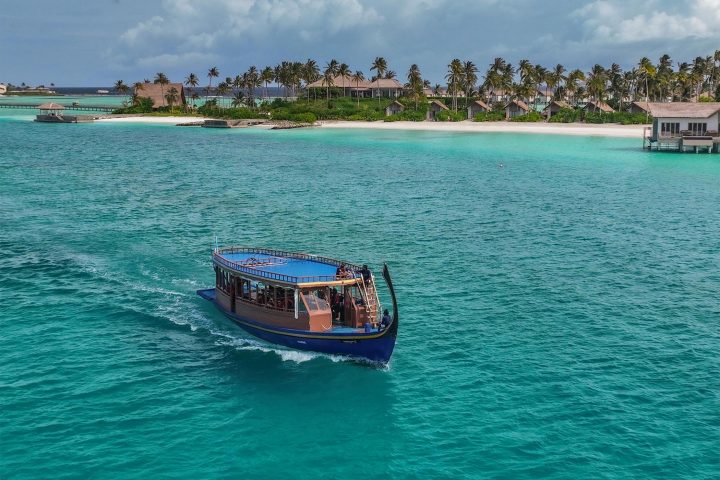
Transport is one of the biggest reasons a Maldives trip becomes more expensive than expected. Nearby resorts are commonly reached by speedboat, while others require a seaplane or domestic flight. On local islands, Visit Maldives says many speedboats depart from Malé and that some islands can also be reached by ferry, though not all islands are served.
That is why a budget trip usually works best when you choose an island with a simpler transfer. A guesthouse that looks slightly more expensive can still be the better value if it saves you a costly or complicated onward journey. This last point is an inference based on the official transfer options.
Local islands are usually the budget answer
For most travelers, Maldives on a Budget: Is It Possible? becomes realistic through local islands. Staying at a local-island guesthouse lets you experience daily Maldivian life while still enjoying beaches, snorkeling, diving, watersports, and excursions. It also says guesthouses range from budget to boutique, so there is still variety in style and comfort.
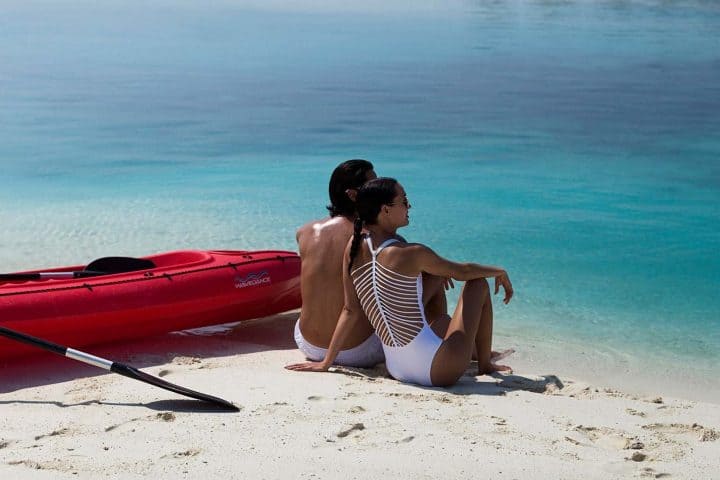
Local islands do come with differences. The Maldives is a Muslim country and notes that bikinis and bathing suits are not acceptable on local islands unless there is a designated bikini beach; it also recommends keeping public displays of affection to a minimum on local islands.
Taxes and fees still matter
Even a budget Maldives trip should account for taxes and fixed tourism charges, not just the room rate. TGST on tourism services is 17%, and Green Tax can also make a meaningful difference to the final cost. Resorts, larger tourist establishments, and tourist vessels are currently charged US$12 per person per day of stay, while smaller hotels and guesthouses on inhabited islands are charged US$6.
So the real comparison is never just the room rate. A cheaper-looking stay can still cost more once taxes, Green Tax, and transfers are added.
Activities can still shape the total cost
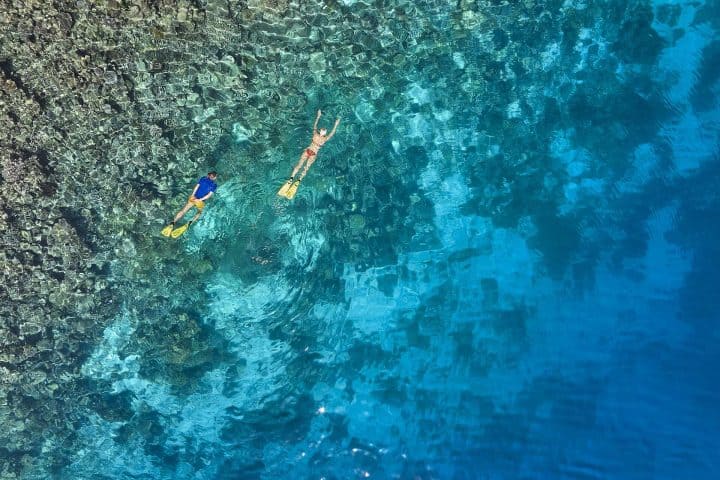
A lower room rate does not automatically mean a cheap holiday if you plan to do paid excursions every day. Guesthouses and local islands still offer snorkeling, diving, watersports, and trips to nearby islands or sandbanks. That is good for flexibility, but it also means activity spending can become a large part of the budget if you do not plan for it.
Final thoughts
Maldives on a Budget: Is It Possible? Yes — especially if you are open to guesthouses, local islands, simpler transfers, and a less resort-led style of travel. The Maldives is not only about luxury stays; it can also work well for travellers with more modest budgets who plan carefully.
The key is to define “budget” realistically. In the Maldives, budget travel usually means choosing value and local experience over maximum privacy and resort convenience, while still planning carefully for transfers, taxes, and excursions.
FAQs
Is the Maldives only for luxury travel?
No. The country offers accommodation from budget to high-end, including guesthouses and hotels as well as resorts.
What is the usual budget option in the Maldives?
For most travelers, it is a local island guesthouse rather than a private resort. Guesthouses range from budget to boutique and still offer access to excursions and watersports.
Can I reach budget islands without a seaplane?
Often yes. Many local-island speedboats leave from Malé, and some islands are also served by ferry.
Do budget travelers still pay tourist taxes?
Yes. Tourist stays are subject to TGST and Green Tax, with rates depending on the accommodation type.
Can local islands still be good for snorkeling and excursions?
Yes. Guesthouses and local islands can arrange snorkeling, diving, watersports, and excursions.
Related Blogs