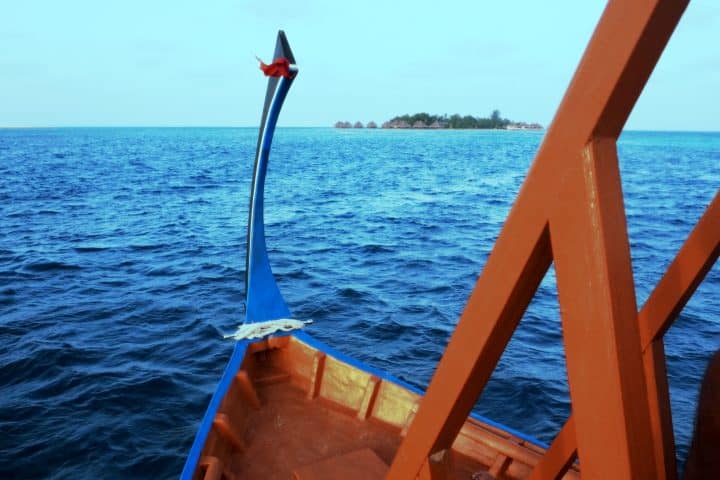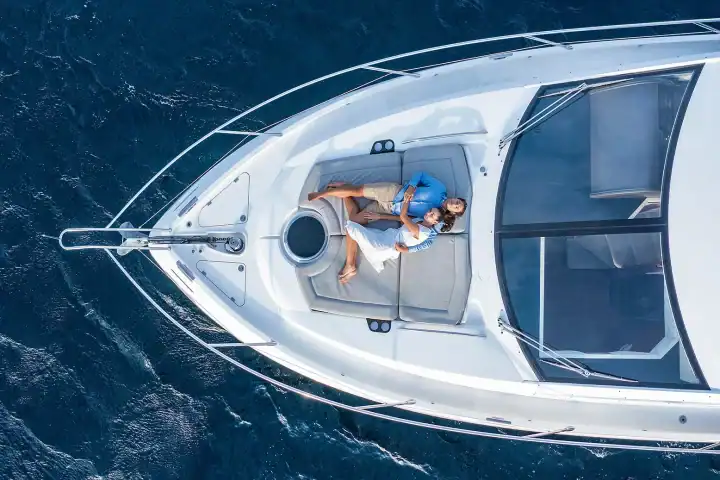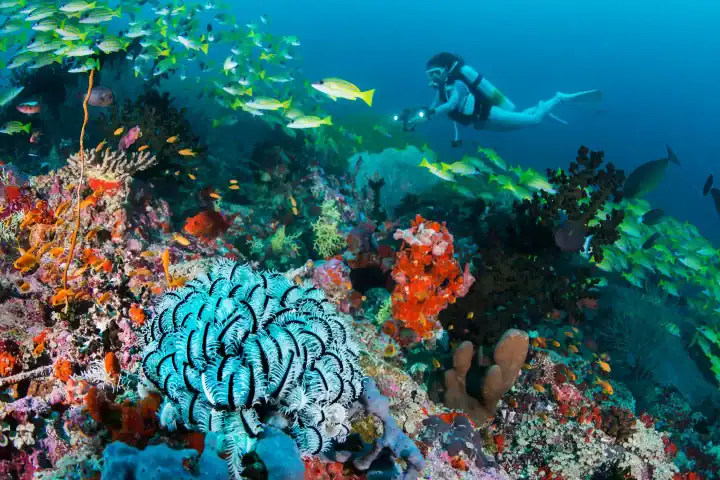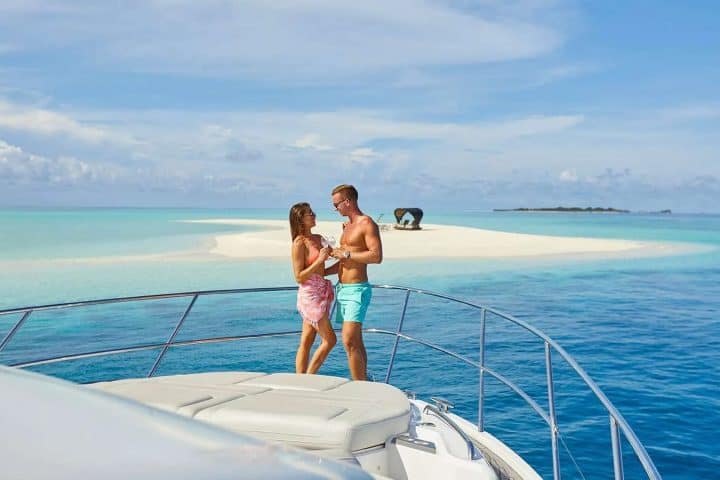
Maldives Liveaboard Guide for First-Time Travelers starts with one simple idea: a liveaboard is not just a place to sleep, but a moving base that lets you explore more of the Maldives. Liveaboards are a core stay type alongside resorts and guesthouses, and recent tourism data shows 170 safari vessels operating in the Maldives as of early March 2026, which shows how established this style of travel has become.
Quick guide
Best for divers and active travelers
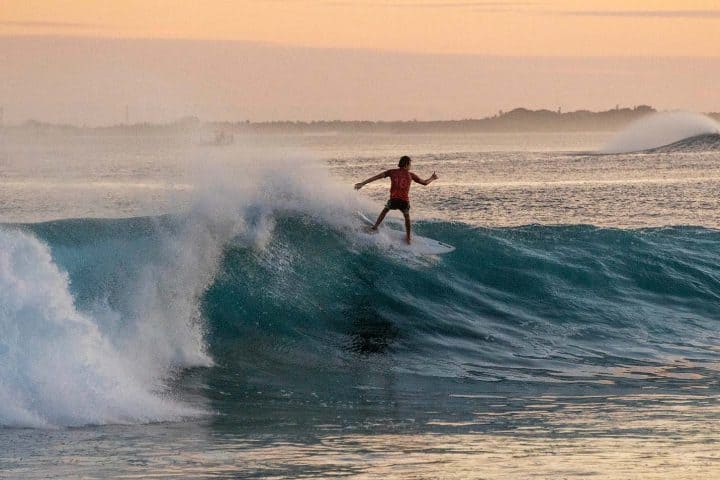
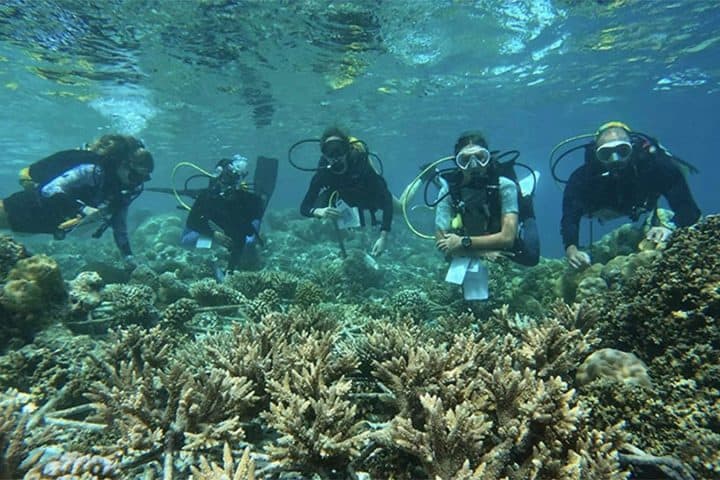
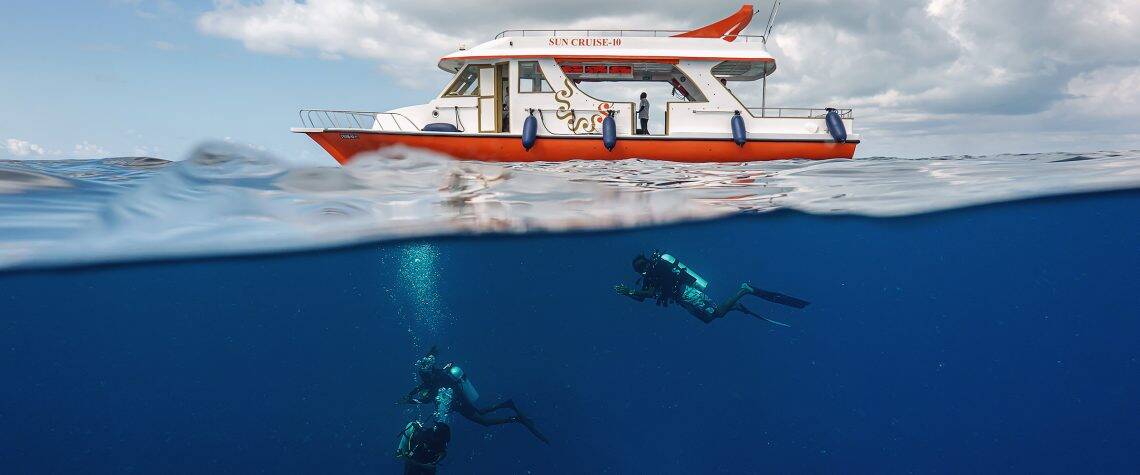
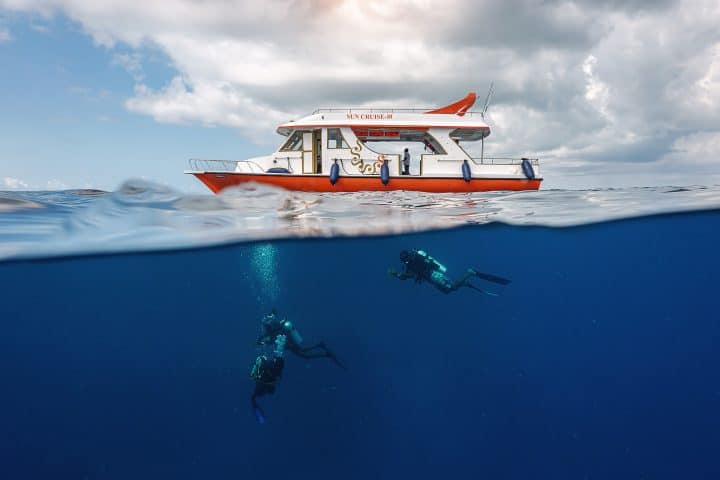
A liveaboard usually suits travelers who want to spend more time on the water and cover more dive or snorkeling sites than a single resort can easily reach. Liveaboards are especially appealing for divers, surfers, and travelers who want to explore multiple atolls.
Best for travelers who like movement
A liveaboard is a better fit if you enjoy being on the move rather than staying on one island for the whole trip. Is is a floating resort that lets you stay mobile throughout the holiday.
Best for comfort with adventure
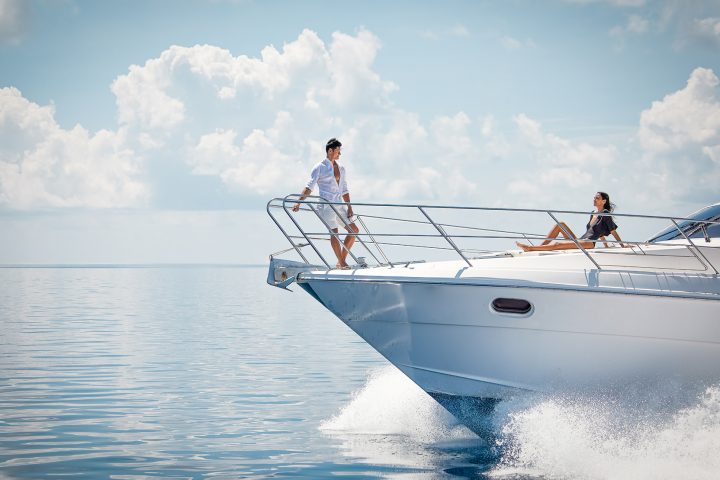
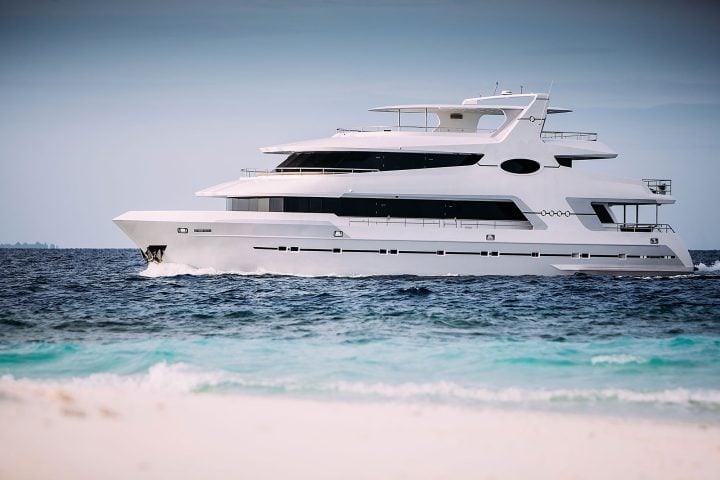
Liveaboards are not all basic. They range from affordable boats to more extravagant options with spacious accommodation, fine dining, and even spa treatments.
Best for first-timers who know what they want
A first liveaboard works best when you already know you want a more active ocean-based trip, not a classic private-island resort stay. That is an inference from how We position liveaboards around movement, marine access, and adventure.
What a liveaboard actually feels like
A Maldives liveaboard usually feels more structured than a resort holiday. You sleep on the boat, eat on the boat, and move between dive sites, reefs, sandbanks, and islands as the trip continues. Liveaboards is a “floating resort” with onboard and offshore experiences, which is a good way to think about them if this is your first one.
That means the experience is less about settling into one villa and more about spending the trip in motion. For some travelers, that is the whole appeal. For others, it can feel busier than a resort stay.
They are not only for serious divers
A lot of first-time travelers assume liveaboards are only for advanced divers. While they are very popular with divers and surfers, liveaboards also appeal to travelers who simply want a floating-resort experience with fine dining, nightlife, spa facilities, or private-charter freedom. It also notes that snorkeling trips, sandbank picnics, and island stops are common.
So the better question is not “Is this only for divers?” but “Do I want a holiday built around being on the water?”
Routes matter, especially on a first trip
For many first-timers, the easiest route family is the Central Atolls, which is the classic Maldives liveaboard circuit. Operator itineraries commonly position Central Atolls as the best all-round starting point, while Baa extensions are stronger for manta-focused trips, and Far South routes are better for more experienced divers because of stronger currents and more advanced diving conditions.
So if this is your first liveaboard, it usually makes sense to start with an itinerary that is broad and balanced rather than one built around the most advanced sites. That is an inference based on how operators and destination material consistently frame the route families.
Comfort depends on the boat, not just the route
Not all liveaboards feel the same. The boats vary a lot in size, standard, and style, from simpler options to more lavish vessels with larger cabins, fine dining, and spa-style features. Some itineraries are also available as private charters, while others are shared group departures.
For a first trip, that means it is worth checking not just the itinerary, but also cabin count, overall atmosphere, and whether you want a more social shared experience or something quieter and more private.
A liveaboard is usually best when the journey is part of the holiday
This is the biggest mindset shift for first-time travelers. On a resort trip, the island is the destination. On a liveaboard, the route is part of the destination. This is one of the most adventurous and rewarding ways to experience the country, because you are not limited to a single island or single radius of water.
If that sounds exciting, a liveaboard may be a great first choice. If you mainly want privacy, beach time, and slower days in one place, a resort may still suit you better.
Final thoughts
Maldives Liveaboard Guide for First-Time Travelers comes down to expectations. A liveaboard is usually a strong choice if you want movement, site variety, and a holiday built around the ocean rather than around one island. It is less about staying still and more about seeing more.
For many first-timers, the best approach is simple: choose an easier central route, check the comfort level of the boat carefully, and make sure you actually want an active water-based trip rather than a classic resort stay.
FAQs
Are Maldives liveaboards only for divers?
No. They also suit surfers and travelers who want a floating-resort experience with activities beyond diving, including snorkeling, sandbank stops, and even spa-style amenities on some boats.
Is a liveaboard good for a first Maldives trip?
It can be, especially if you already know you want a more active, ocean-focused holiday. But a resort is often easier if you want a simpler, more stationary first visit.
What is the best route for first-time liveaboard travelers?
Usually a Central Atolls itinerary, because it is the classic all-round Maldives route and tends to be the most balanced starting point.
Are Maldives liveaboards comfortable?
They can be very comfortable. The standards range from simple and affordable to extravagant, with some boats offering spacious cabins, fine dining, and spa features.
Related Blogs