
Inter-island Transport is what makes the Maldives feel different from almost any other beach destination. Because the country is spread across many islands and atolls, getting from one place to another often means choosing between public ferries, scheduled speedboats, domestic flights, and local airport-area links rather than relying on one simple road network. Scheduled ferries operate from Malé to many atolls, daily domestic flights connect Velana International Airport with airports around the country, and public ferry and bus networks now form part of wider island-to-island travel planning.
For many travelers, inter-island transport matters most when mixing local islands, airport-area stays, and independent travel. Resort guests often use private resort transfers, but anyone looking beyond a single resort stay quickly notices how important ferries, speedboats, and domestic flights become. If you want a more independent-travel follow-up after this page, read How to Travel the Maldives Without Staying at a Luxury Resort.
Quick Facts
What inter-island transport means
In the Maldives, inter-island transport usually means moving between islands by ferry, speedboat, domestic flight, or a combination of these, rather than by road.
Best for
Public ferries are usually best for budget-minded local-island travel, scheduled speedboats for quicker sea connections, and domestic flights for reaching distant atolls more efficiently. This is a practical summary based on how the network is used.
Ferries
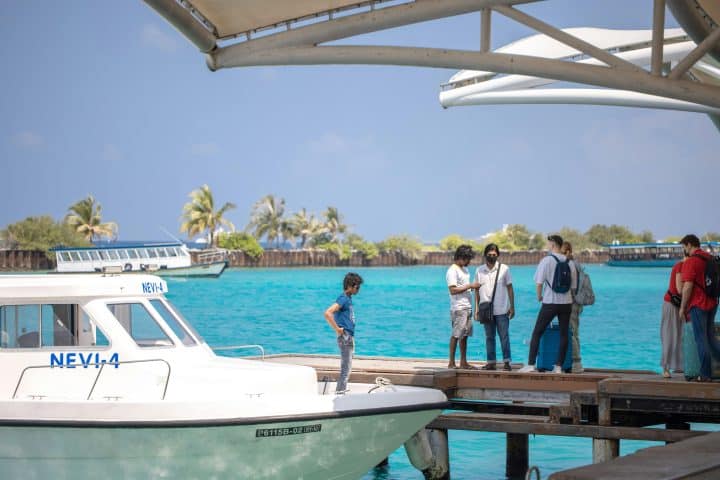
Scheduled ferries operate from Malé to many atolls, and routes and tickets can be checked through RTL.
Speedboats
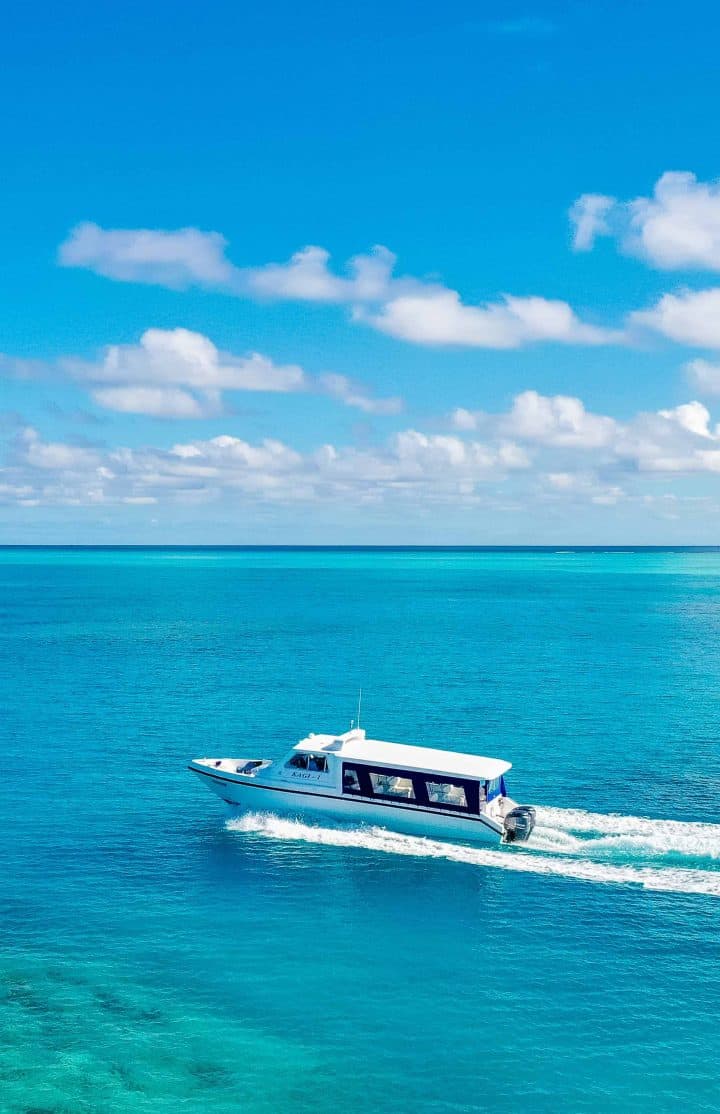
Scheduled speedboats are faster than ferries and can make independent island travel much easier on supported routes. This is a practical inference based on the role of speedboat services in the transport system.
Domestic flights
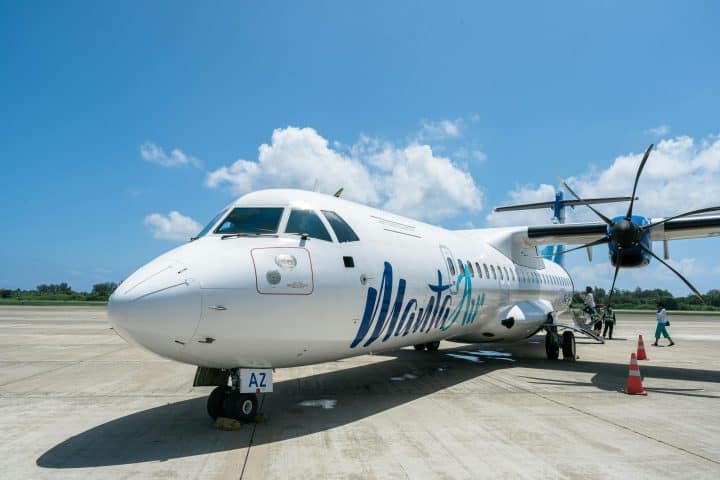
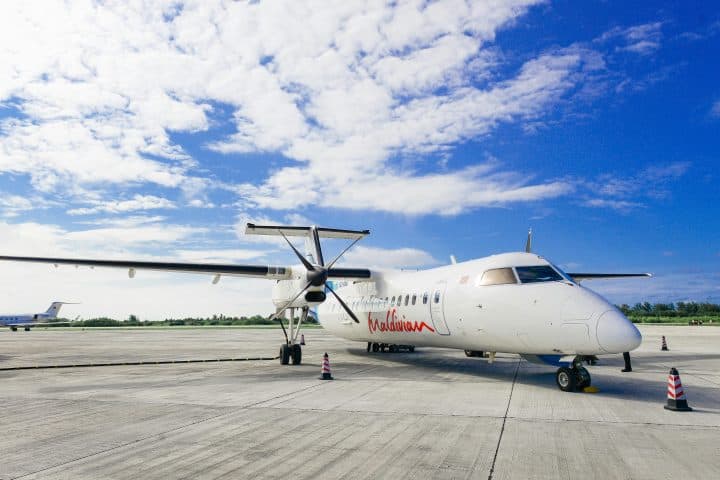
Several daily flights operate from Velana to domestic airports across the Maldives, making flights the most practical choice for many longer inter-atoll journeys.
Greater Malé links
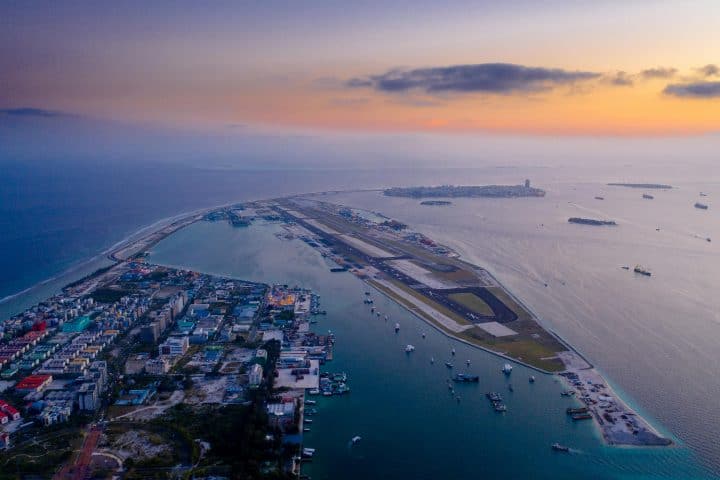
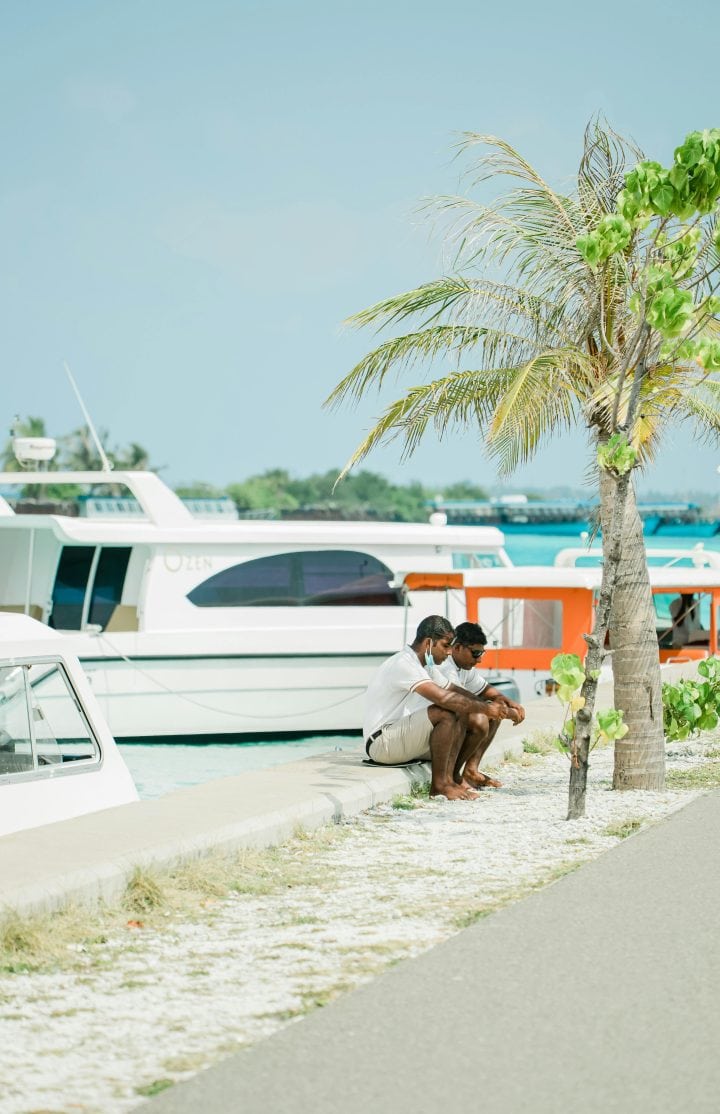
The airport area is connected to Malé and Hulhumalé by ferry and bus, so short local transfers around the capital zone are usually quite manageable.
Good to know
In the Maldives, transport schedules matter. Independent island-hopping works best when you plan route timing before you finalize the stay. This is a practical planning inference based on how ferries, flights, and onward links operate.
Best for first-time visitors
If you are combining more than one island, it is often easiest to start with simpler routes near the capital area or with islands linked by clear domestic connections. This is a practical travel recommendation based on the structure of the current network.
How Inter-island Travel Works
In the Maldives, inter-island travel usually falls into two broad types. The first is public or semi-public transport, such as ferries, scheduled speedboats, and local bus or ferry links around the Greater Malé area. The second is air-based travel, mainly domestic flights for longer distances, often followed by a short boat ride to the final island. Scheduled ferries and flights are both part of the national transport picture, while airport ferry and bus services help connect arrivals with Malé and Hulhumalé.
The best option depends on distance, timing, and travel style. A public ferry may be the most affordable choice, while a domestic flight may be the only practical option for reaching a distant atoll without losing too much time. This is a travel-planning inference based on the Maldives’ dispersed geography and available transport network.
Public Ferries
Public ferries are one of the most useful ways to understand how people move between inhabited islands in the Maldives. Visit Maldives notes that scheduled ferries operate from Malé to many atolls, while the Raajje Transport Link (RTL) platform allows travelers to search routes, buy tickets, and view live schedules for ferries and buses.
For travelers, ferries are usually the most budget-friendly option, but they are also the slowest and least flexible. They suit visitors who are planning around local islands, have time to spare, and do not mind building their trip around published schedules. This is a practical inference based on how ferry networks and ticketing are structured.
Scheduled Speedboats
Scheduled speedboats sit somewhere between ferries and private resort transfers. They are faster than public ferries and can make local-island trips much more practical, especially on routes where travelers want to save time without paying for a full private boat. In the Greater Malé area, airport ferry and bus links are already integrated into everyday movement, while some island routes elsewhere are increasingly searchable through transport platforms and apps.
For many independent travelers, speedboats are the most appealing middle ground. They usually feel easier than a slow ferry and less complicated than a domestic flight, especially when staying in more accessible islands around Malé or on well-served local-island routes. That is a travel-style inference based on the role speedboats play between ferry and flight transport.
Domestic Flights Between Islands
Domestic flights are a major part of inter-island travel in the Maldives, especially when the distance is too long for a practical ferry or speedboat journey. Visit Maldives says several daily flights operate from Velana International Airport to the country’s domestic and international airports, and Maldivian’s published destination network shows airports across the Maldives including places such as Ifuru, Kulhudhuffushi, Maafaru, Kooddoo, Dharavandhoo, and Gan.
For travelers, domestic flights are often the most realistic way to reach more distant atolls without turning the journey into a full-day surface trip. They are especially relevant for split stays, local-island combinations across different regions, and remote resort or guesthouse trips. This is a planning inference based on the spread of the domestic airport network across the country.
The Greater Malé Area: Airport, Malé and Hulhumalé
Not all inter-island movement in the Maldives is long-distance. The Greater Malé area has its own local transport rhythm, and this is often the first part of island movement that visitors experience. Airport guidance lists the Airport–Malé ferry, plus Airport–Hulhumalé bus and Airport Express options, making it relatively easy to move between the airport zone, Malé, and Hulhumalé without needing a private transfer.
This matters because many independent itineraries begin or end here. Even travelers staying mostly on islands farther away often pass through this transport hub, and a simple airport-area overnight can make the wider journey feel much easier. This is a practical inference based on the airport’s connection to the capital area.
Choosing the Right Option
The best inter-island transport option usually comes down to budget, time, and route simplicity. Ferries are useful when cost matters most. Speedboats often work best when you want a faster sea connection without moving to air travel. Domestic flights are the strongest option when distance is the biggest factor. For some trips, combining more than one method is the most practical approach. This is a planning summary based on the Maldives’ multi-layered transport system.
For first-time visitors, the key is to plan the transport at the same time as the stay. In the Maldives, transport is not just a detail after booking. It often shapes the pace, cost, and feel of the whole trip. This is a practical travel inference based on how island location and published transport links work together.
FAQs
How do people travel between islands in the Maldives?
People usually travel between islands by ferry, speedboat, domestic flight, or a combination of air and sea transport.
Are there public ferries in the Maldives?
Yes. Scheduled ferries operate from Malé to many atolls, and routes can be checked through RTL.
Is inter-island travel only for resorts?
No. Resort guests often use private transfers, but ferries, speedboats, and domestic flights also support local-island, guesthouse, and independent travel. This is a practical inference based on the wider transport network beyond resort transfers.
When do domestic flights make the most sense?
They make the most sense for longer routes and more distant atolls where surface travel would take too much time.
Can I move between the airport, Malé and Hulhumalé without a private transfer?
Yes. The airport has ferry and bus links to Malé and Hulhumalé.
Is island-hopping in the Maldives easy?
It can be, but it takes more planning than in a single-island destination. Routes, timing, and transport type all matter more than many first-time visitors expect. This is a practical planning inference based on the Maldives’ island layout and transport network.
Make Longer Routes Easier to Plan
If you are looking at islands that are farther from Malé, continue with Top Maldives Resorts with Domestic Flight Transfers to compare stays where the flight is part of the journey.
Related Guides