Responsible Marine Tourism in the Maldives: What Travelers Should Know
Responsible Marine Tourism in the Maldives: What Travelers Should Know starts with one simple idea: the best ocean experiences are the ones that leave reefs and wildlife undisturbed. The Maldives has protected marine areas, encounter rules around whale sharks, and managed access at some of its best-known wildlife sites.
Quick guide
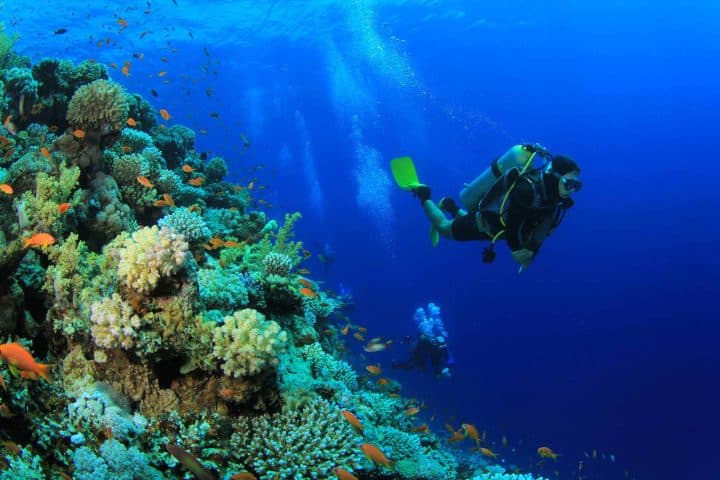
Best rule for reefs
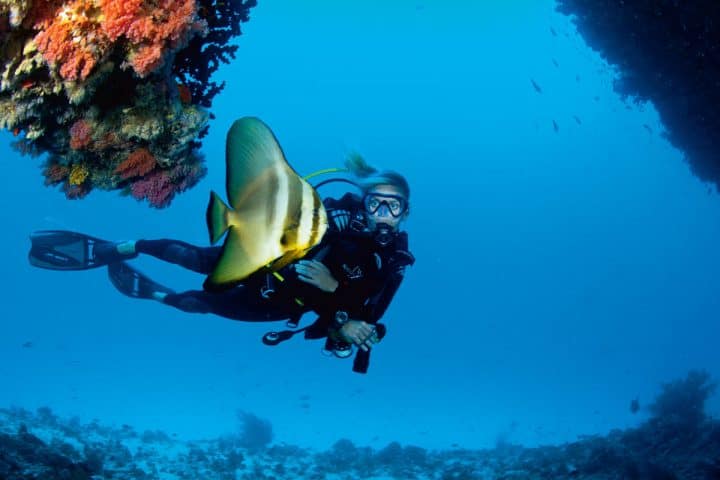
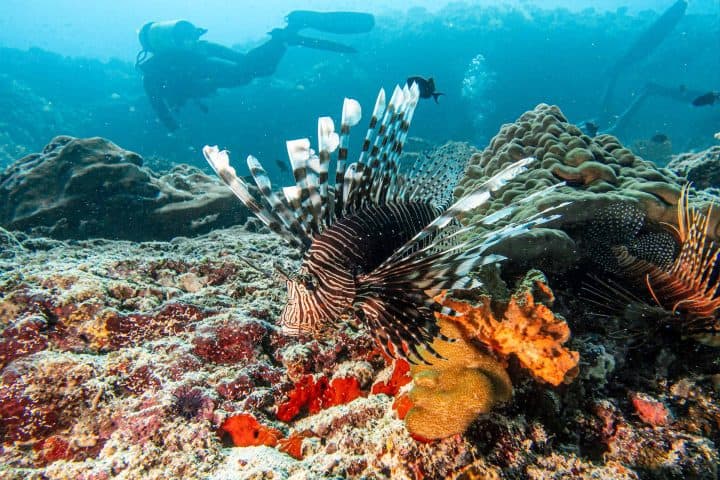
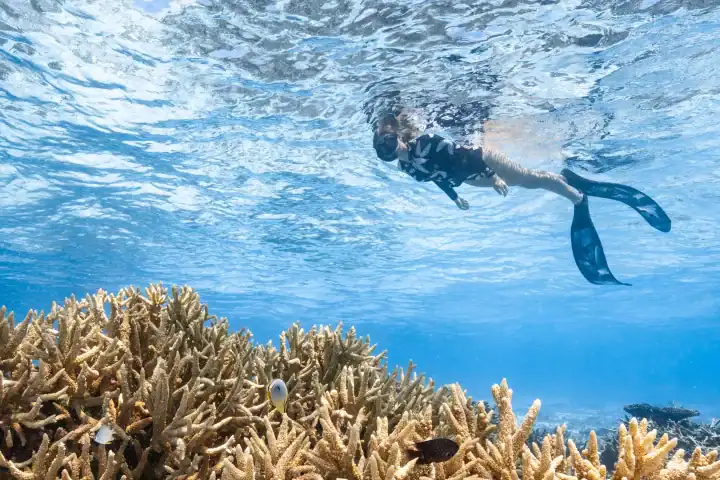
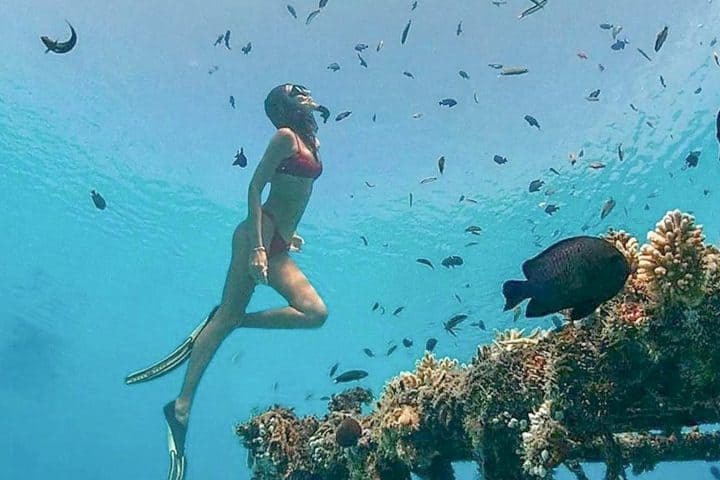
Keep your body, fins and gear off the reef. Do not stand on coral or use it for balance.
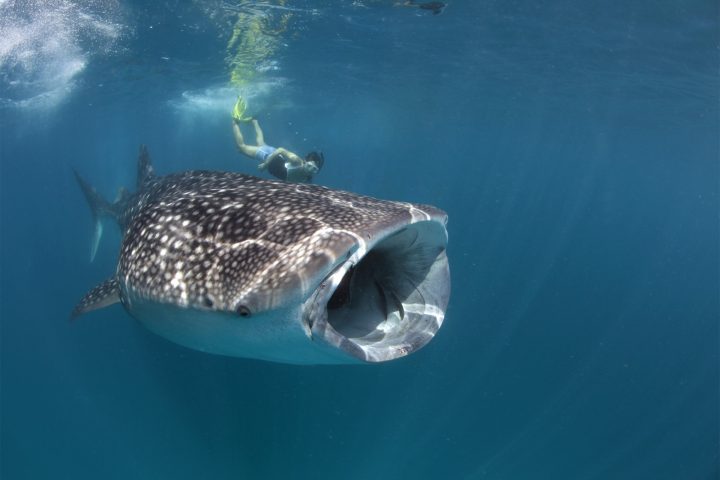
Best rule for whale shark encounters
Keep your distance, stay calm and never chase. Flash or bright lights are also restricted.
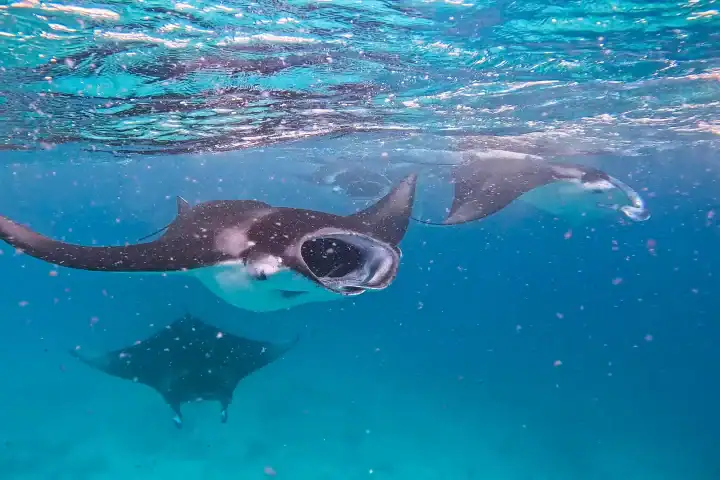
Best rule for manta trips
Treat manta encounters as wildlife watching, not close-contact activity. Some of the best sites are protected areas with stricter controls.
Best way to be a better guest
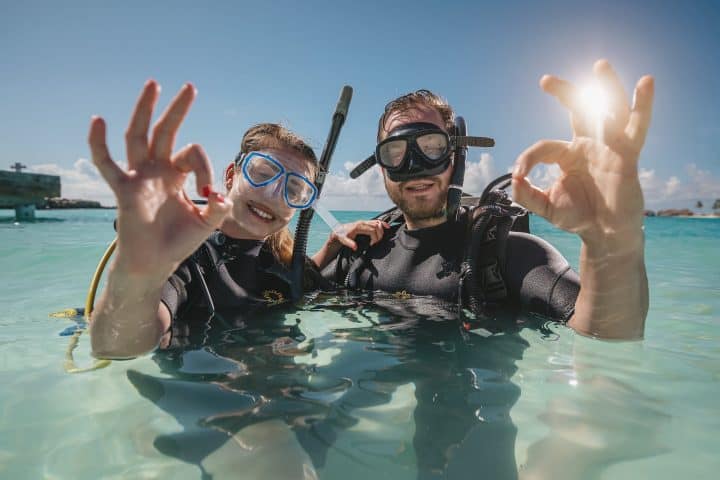
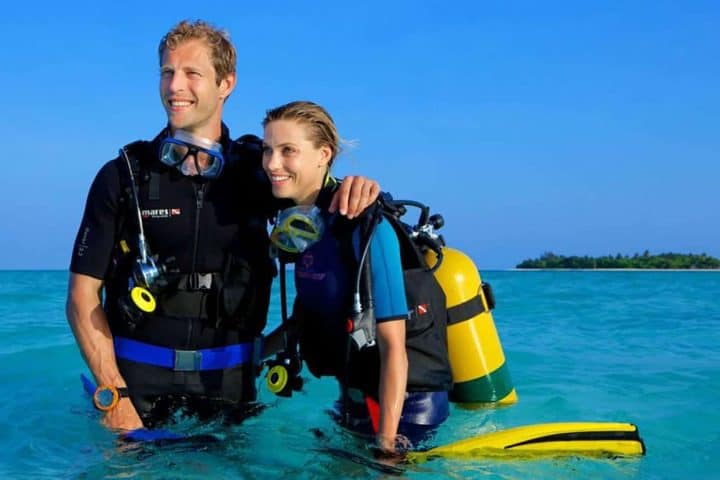
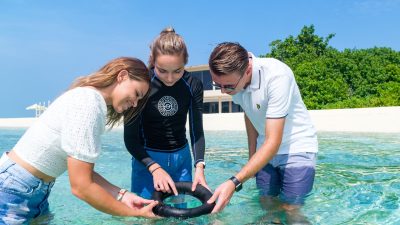
Choose operators who brief guests properly and follow local marine rules.
Choose operators that take marine rules seriously
A good trip is not only about finding marine life. It is also about going out with guides who explain the rules and keep the experience calm and respectful.
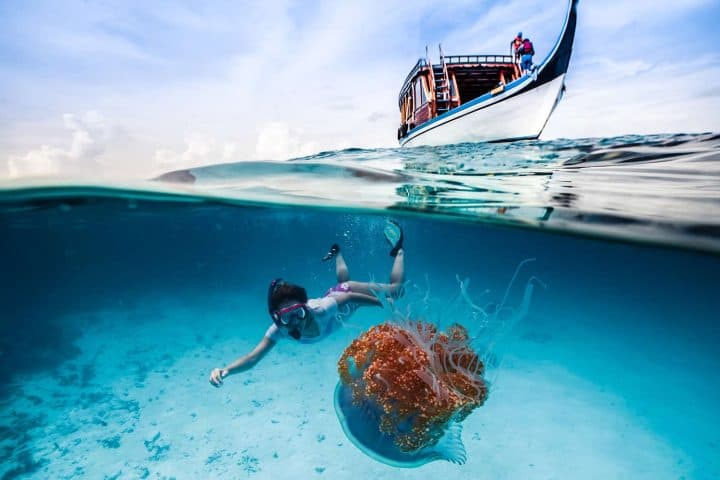
Do not touch, chase or corner wildlife
This is the biggest mistake travelers can avoid. Distance rules and behavior rules exist to reduce stress on animals and keep encounters safer for everyone.
Protect the reef even on an easy snorkel
Responsible marine tourism is not only about large animals. Coral damage often happens during ordinary snorkeling when people stand up, scrape coral with fins or hold onto the reef.
Be smarter about sun protection
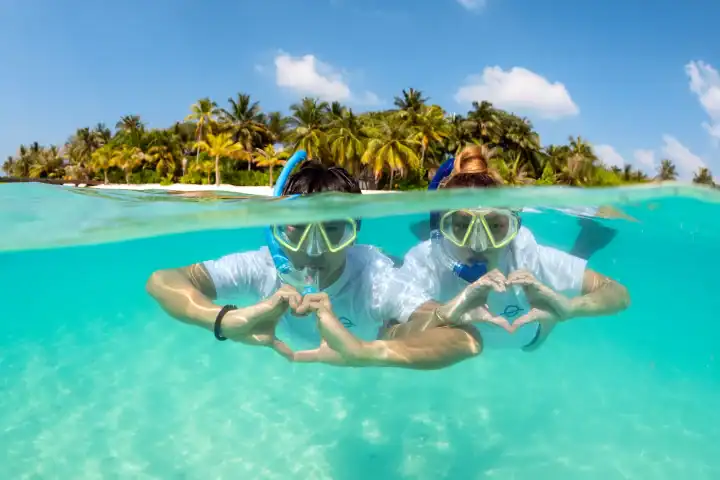
What you wear matters as much as what you pack. Mineral sunscreen and UV-protective clothing are generally the safer choice for marine environments.
Respect protected-area rules even if they feel strict
Some of the Maldives’ most famous wildlife experiences happen in protected spaces, and tighter rules are part of what helps keep them special over time.
Final thoughts
Responsible Marine Tourism in the Maldives: What Travelers Should Know is really about enjoying the ocean without treating it like a theme park. Keep your distance, stay off coral and follow the briefing from the start.
FAQs
Can I touch a whale shark if it swims close to me?
No. Touching is prohibited.
Is flash photography okay during marine encounters?
Not around whale sharks. Flash and bright lights are restricted.
Why are some marine sites more strictly managed?
Because some areas are globally important wildlife aggregation sites and need tighter protection.
What is the easiest way to be a more responsible traveler in the water?
Stay calm, give wildlife space, keep off coral and follow the briefing from your guide.
Does sunscreen choice matter?
Yes. Some sunscreen chemicals can harm aquatic life, and mineral sunscreen is generally the better option.