Do You Need All-Inclusive in the Maldives? Not always. It usually makes the most sense when you are staying on a resort island, expect to eat and drink most of the day on-site, and want a more predictable final bill. In the Maldives, full board typically means breakfast, lunch, and dinner, while all-inclusive often adds drinks and can also include extras such as snacks, activity inclusions, or dining credits, depending on the resort.

Quick guide
Yes, if you want easy budgeting.
Resort spending can add up quickly once meals, drinks, and extras are added one by one, and tourism charges now include 17% TGST plus Green Tax. That makes prepaid meal plans more attractive for travelers who want fewer surprises.
Yes, if you drink regularly or use the resort a lot.
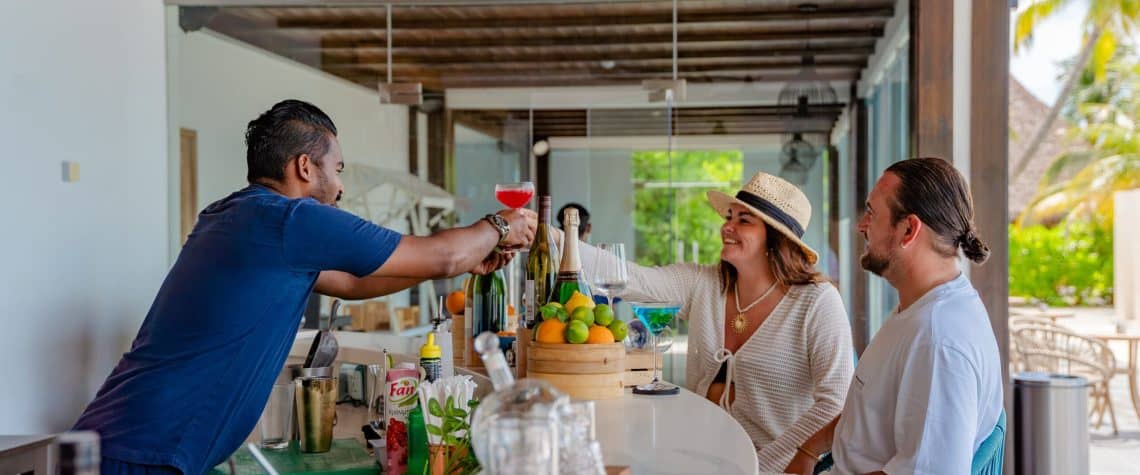
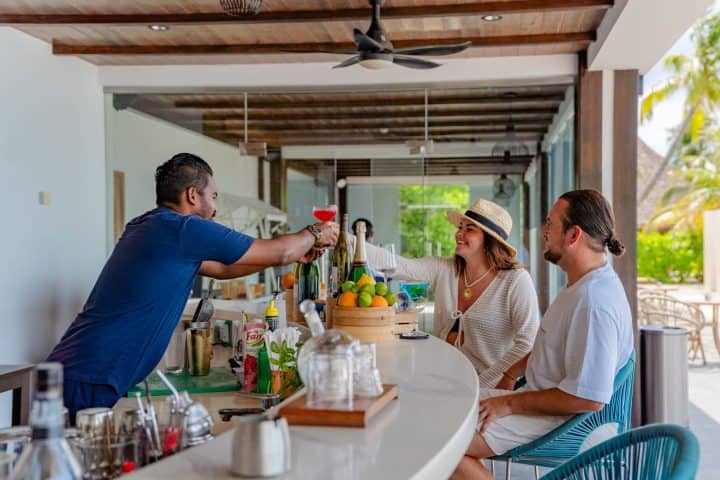
Many current all-inclusive plans in the Maldives include unlimited or selected alcoholic and non-alcoholic drinks, multiple dining venues, snack service, and sometimes minibar or dining-credit benefits.
No, not always, if you mainly want meals covered.
Full board is often enough for travelers who want breakfast, lunch, and dinner included but do not expect to use bars, premium drinks, or many add-ons.
No, not always, if the resort’s all-inclusive offer is narrow.
In the Maldives, all-inclusive is not standardized. One resort may include premium drinks and dine-around access, while another may only include selected beverages or a limited number of venues.
When all-inclusive usually is worth it
All-inclusive is usually strongest when the resort is the whole holiday. That means lazy pool time, beach days, regular drinks, snacks between meals, and most lunches and dinners eaten on the island. In that setup, paying in advance can make the trip feel simpler and often better value than paying à la carte throughout the stay.
When it may not be worth it
It is often less worthwhile on short stays, activity-heavy trips, or for travelers who drink very little. If you only care about the three main meals, full board can already cover most of what you need without paying extra for benefits you may barely use.
The real difference is often drinks and extras
For many travelers, the key question is not food but everything around it. All-inclusive plans in the Maldives often become more valuable when they cover cocktails, wine, beer, coffees, minibar items, or dining credits at specialty restaurants. That is why two meal plans that look similar on paper can feel very different once you are at the resort.
Taxes make predictable pricing more appealing
One reason all-inclusive can feel attractive in the Maldives is that resort bills already sit on top of tourism taxes. TGST is 17% from 1 July 2025, and Green Tax at resorts, tourist vessels, and many tourist establishments is US$12 per person per day from 1 January 2025. That does not automatically make all-inclusive cheaper, but it does make prepaying more of the stay easier to manage.
Check the fine print before you decide
This matters more than the plan name itself. Some plans include premium drinks, multiple restaurants, and activity perks. Others are much narrower. The smartest comparison is not “all-inclusive or not,” but “exactly what is included, and would I really use it?”
Final thoughts
Do You Need All-Inclusive in the Maldives? Usually yes if you want a resort-led holiday with drinks, dining, and easier budgeting built in. Usually no if you mainly want the core meals covered and do not expect to spend much on extras. The best choice is the one that matches how you actually travel, not the one that sounds more generous.
FAQs
Is all-inclusive always better than full board in the Maldives?
No. Full board can be the better value if you mainly want breakfast, lunch, and dinner covered and do not care much about drinks or add-ons.
What is usually included in Maldives all-inclusive plans?
Often selected or unlimited drinks, meals, and sometimes extras such as dining credits, snacks, minibar, or activity perks, but the exact inclusions vary a lot by resort.
Does tax make all-inclusive more worth it?
It can make predictable pricing more appealing, because resort spending is also affected by 17% TGST and Green Tax.