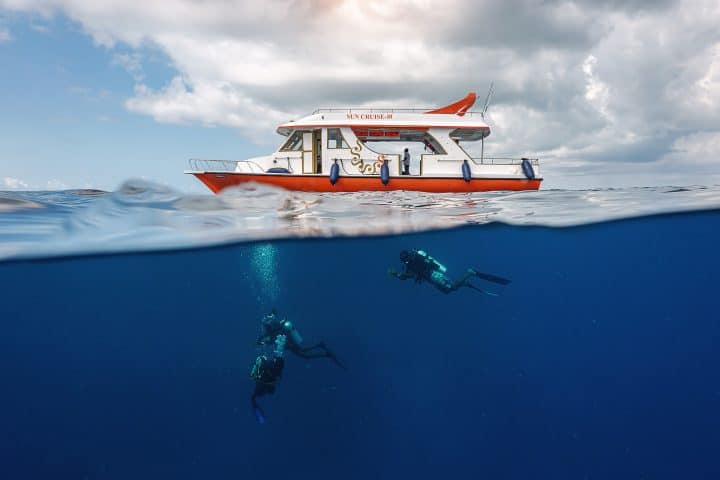
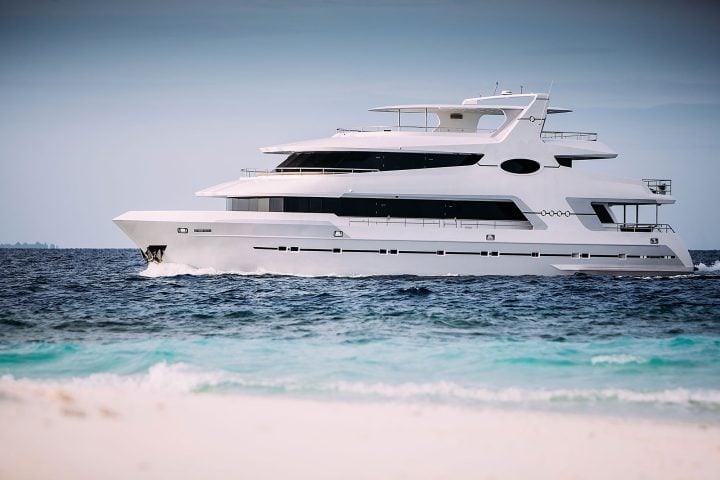
Best Time for a Maldives Liveaboard Trip depends on what kind of route and experience you want. The southwest monsoon runs from May to October and brings more rain, while the northeast monsoon from November to April is generally sunnier. Manta rays and whale sharks appear most reliably from May to November, while June to August brings the biggest surf.
Quick guide
Best for classic liveaboard weather
January to April is usually the easiest period if you want generally sunnier conditions and a more straightforward first liveaboard trip. We place this period in the drier northeast monsoon.
Best for manta-focused trips
May to November is the stronger window if your route is built around manta-rich experiences. Manta rays appear most reliably in this period, and June to November as manta season in Baa Atoll.
Best for surf liveaboards
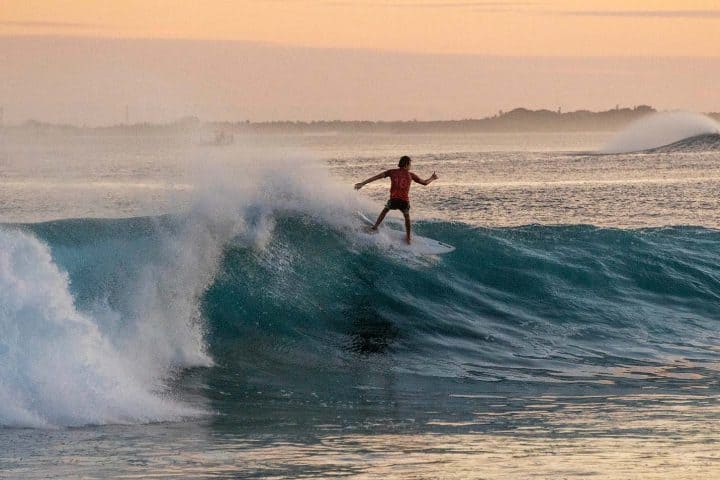
June to August is the clearest peak if the liveaboard is surf-led. Those months deliver the biggest surf, while surf conditions are good from mid-February to November, with the best conditions from March to May and again later in the year.
Best for first-time liveaboard travelers
For many first-timers, the safest timing is January to April on a classic Central Atolls-style trip, because the weather is usually easier and you are not planning around one narrow seasonal wildlife moment. This is an inference based on the official monsoon pattern and how central routes are positioned as the classic Maldives liveaboard experience.
January to April is the easiest all-round season
If you want the most straightforward answer to Best Time for a Maldives Liveaboard Trip, this is usually it. This is the sunnier monsoon season, which usually makes it the easiest period for travelers who want a more classic liveaboard holiday without building the trip around surf or manta season specifically.
May to November is stronger for manta-led trips
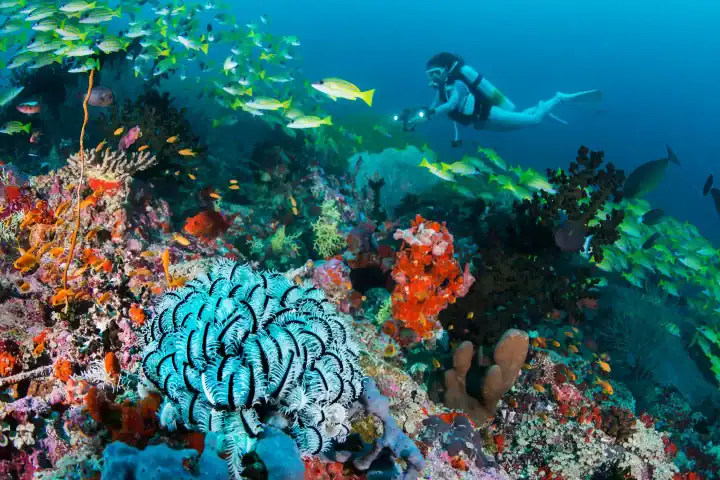
This is where the answer changes if marine life is the main goal. Manta rays and whale sharks appear most reliably from May to November, and official tourism content around Baa Atoll highlights June to November as the season when mantas gather in larger numbers in plankton-rich waters.
That makes this period especially attractive if your liveaboard is designed around manta encounters rather than only classic dry-season weather. That second point is an inference from the official seasonal wildlife guidance.
Surf liveaboards peak in the middle of the year
If your trip is surf-led rather than dive-led, timing changes again. June to August delivers the biggest surf, while surf is good from mid-February to November, with especially strong conditions from March to May and again later in the season.
So a surf liveaboard has a different “best time” from a classic dive liveaboard.
Route style matters as much as the month
The liveaboard itself also changes the answer. Liveaboards are flexible trips with tailored itineraries, and operator route families commonly split the Maldives into Central Atolls, Baa extensions, and more remote northern or southern routes. That means the best month is not only about weather, but also about whether your itinerary is classic, manta-led, surf-led, or more advanced.
Final thoughts
Best Time for a Maldives Liveaboard Trip is usually January to April if you want the easiest all-round conditions, May to November if manta season matters most, and June to August if the trip is built around surf. The right answer depends on whether your priority is easier weather, big marine-life moments, or a more specialized route.
FAQs
What is the best month for a Maldives liveaboard?
For many travelers, February or March is one of the easiest choices because it falls in the generally sunnier northeast monsoon period.
When is the best time for manta rays on a Maldives liveaboard?
Usually May to November, with Baa Atoll especially associated with manta season from June to November.
When is the best time for a surf liveaboard in the Maldives?
June to August brings the biggest surf, while the wider surf season runs from mid-February to November.